Six years on, Yamaha’s carbon crossplane still feels new
Summary: The $27,899 2026 Yamaha YZF-R1M is Yamaha’s flagship superbike, and six years into its current form it still looks and rides brand new. Its 998cc CP4 crossplane engine, Öhlins semi-active suspension, slick 4.2-inch TFT interface and cast magnesium wheels impress. The small screen, missing comfort features and fade-prone Advics brakes are the weak spots.
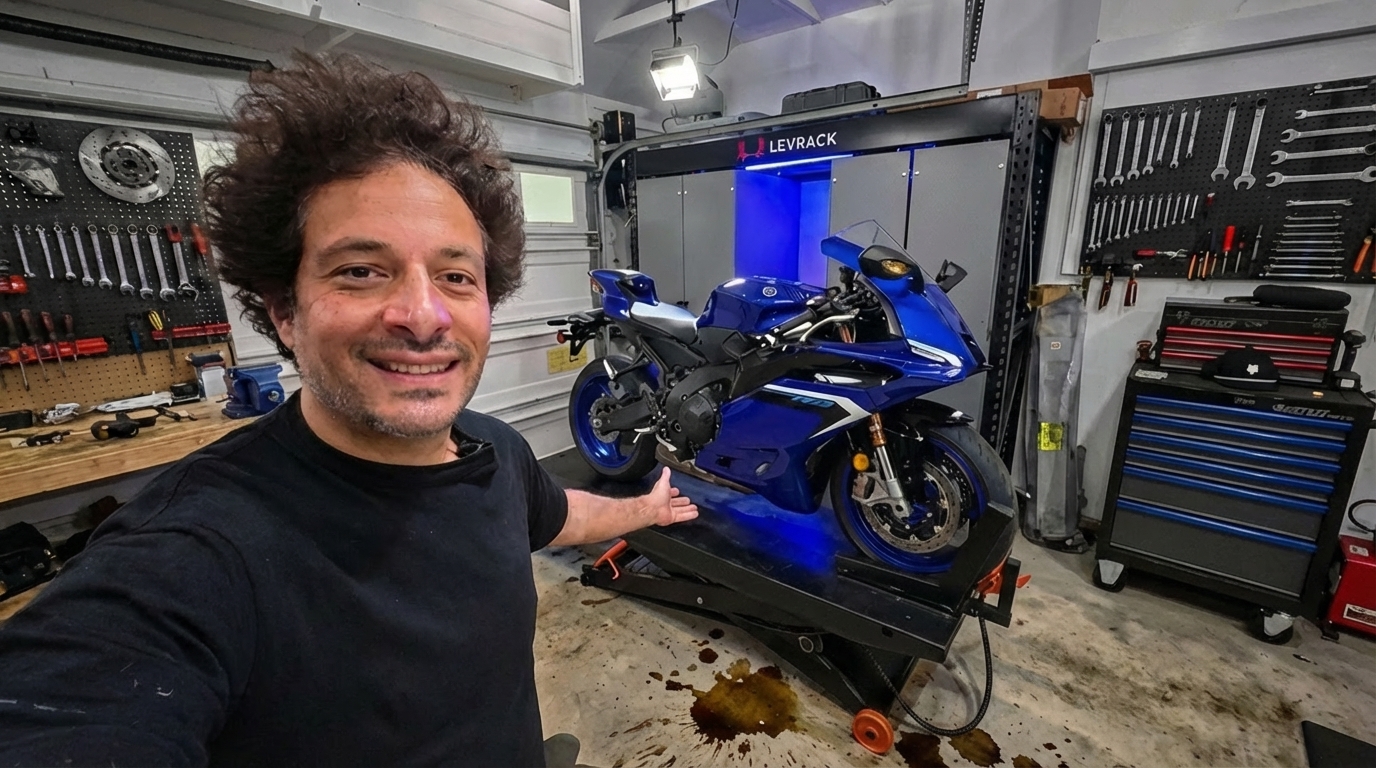
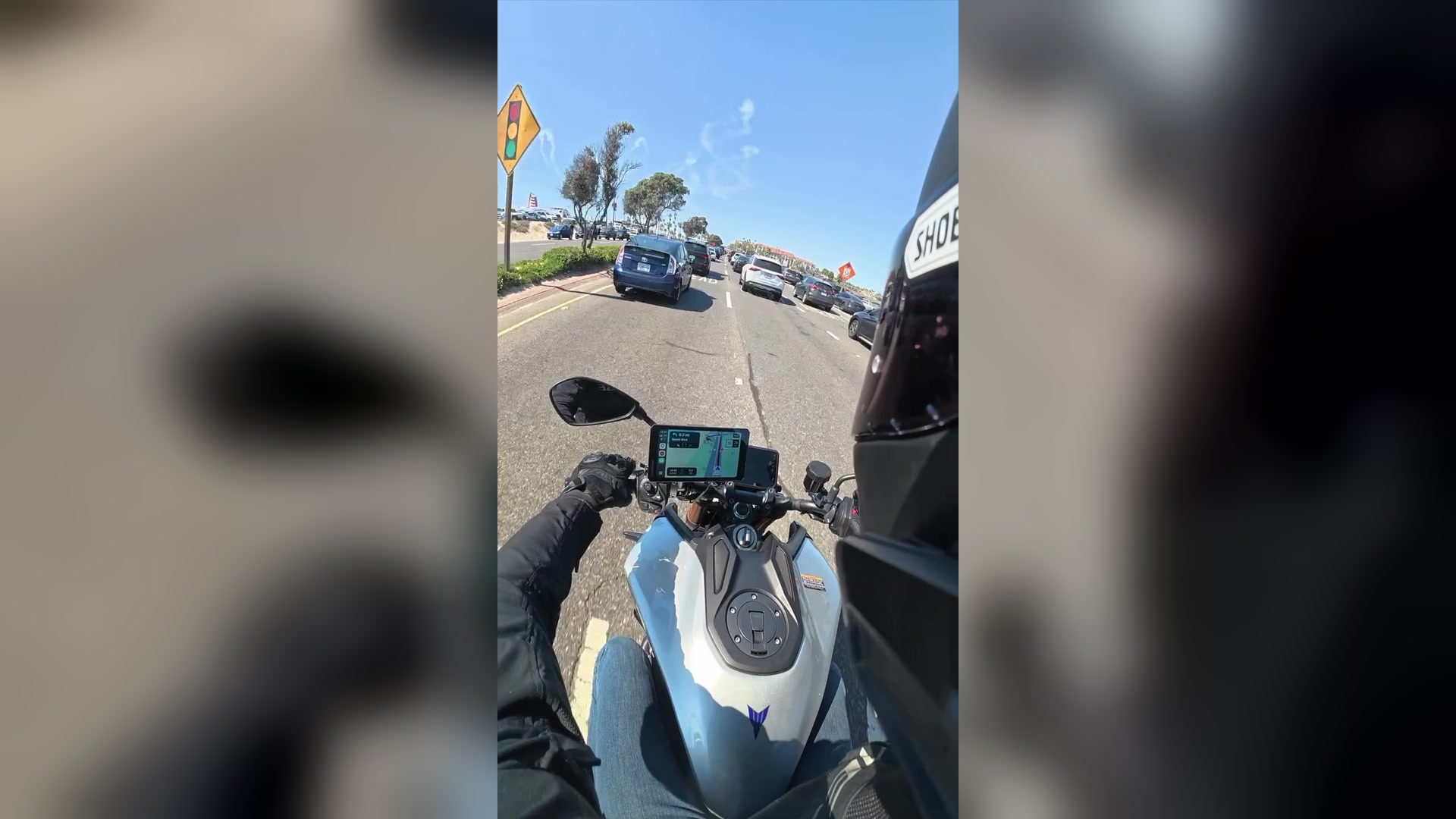
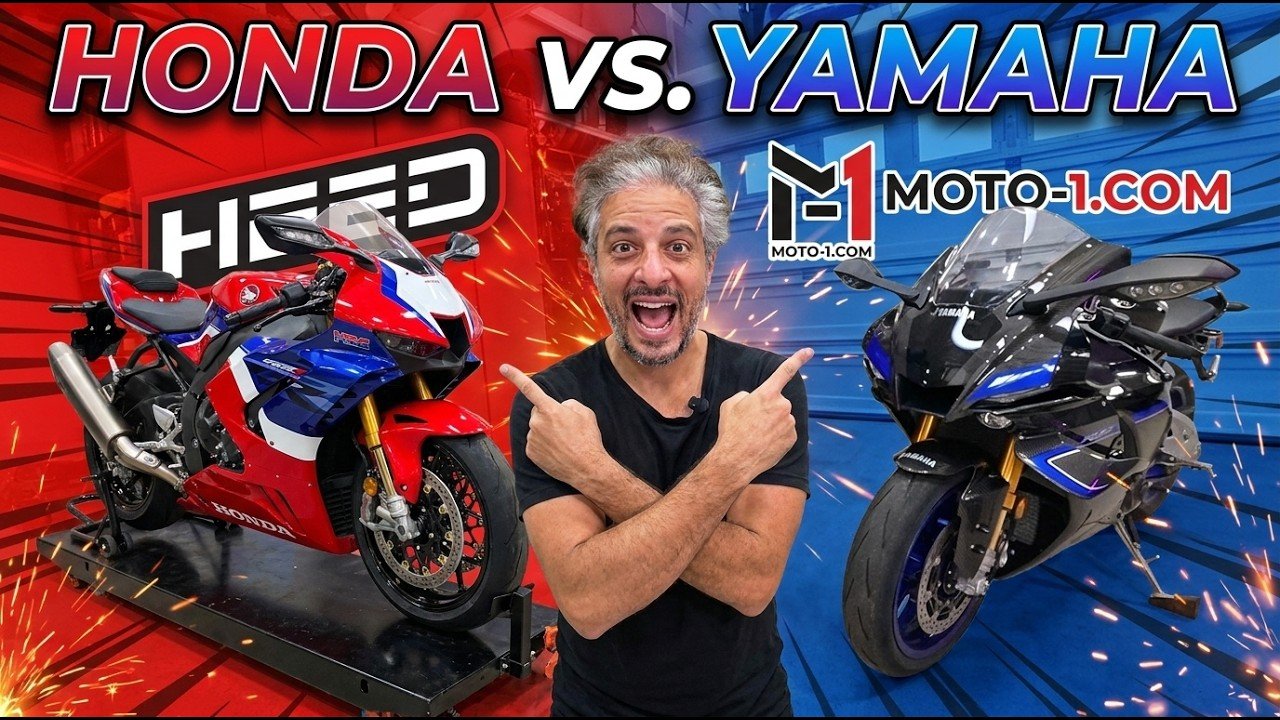
Hey everyone, good morning, and welcome to another episode of Garage Talk. Today we’re breaking down Yamaha’s 2026 YZF-R1M, the Tuning Fork brand’s top-of-the-range, liter-class superbike. We already rode it to work in our 2026 Yamaha YZF-R1M Real MC Commute, and before our full road test and our comparison against Honda’s CBR1000RR-R Fireblade SP, we’re walking you through the ins and outs of this thing. Who’s ready to talk YZF-R1M?
A Bespoke R1, Born in 2015
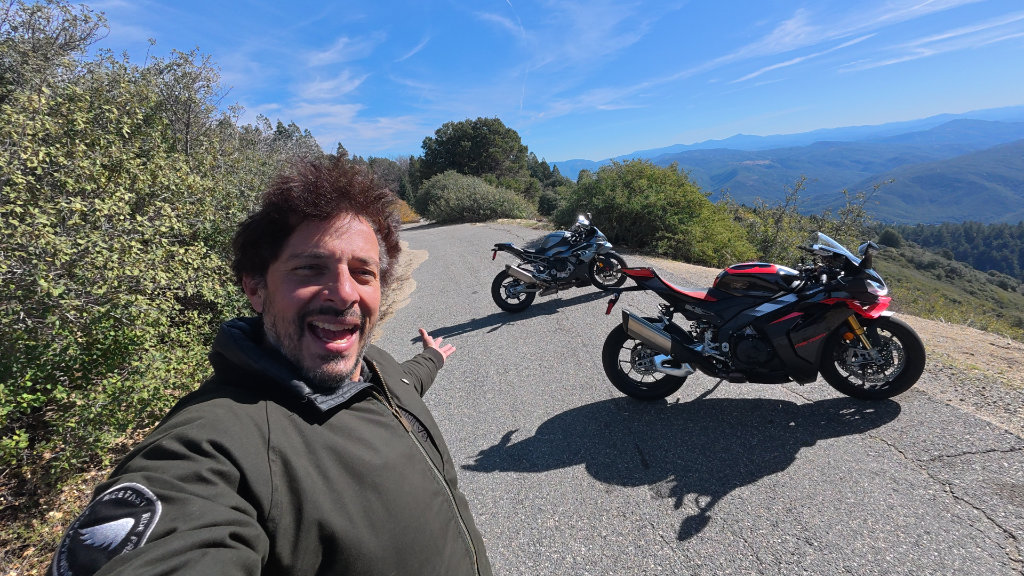
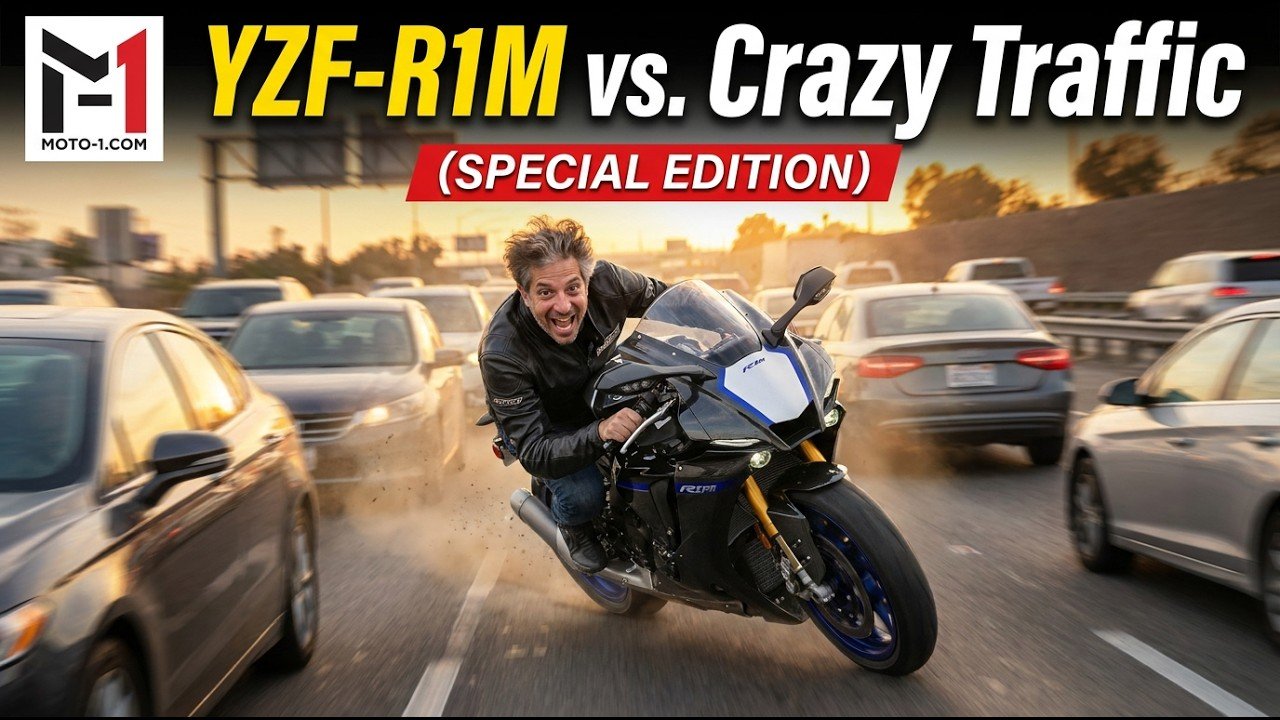
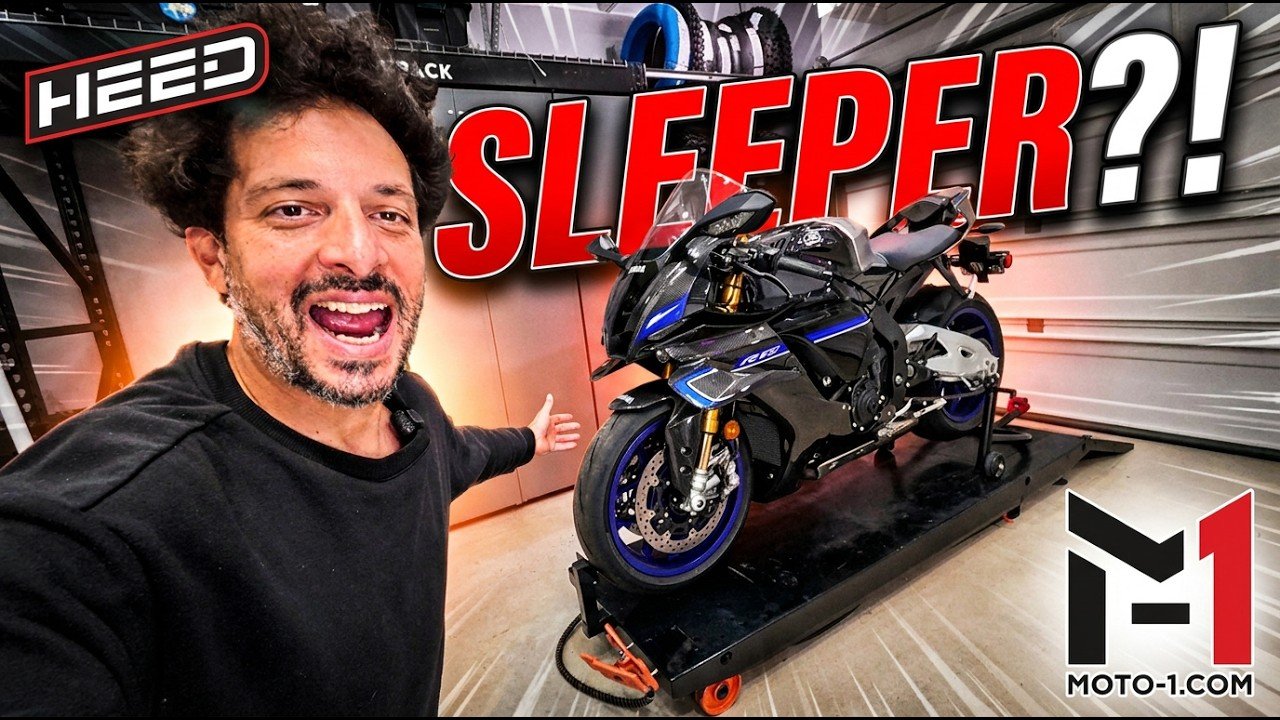
There it is, Yamaha’s flagship 2026 YZF-R1M, and it’s oh so tasty in carbon fiber bodywork with those MotoGP-inspired aerodynamic winglets. The R1M first came out for the 2015 model year alongside the then-redesigned YZF-R1. It was built as a bespoke superbike for riders who want something a little more limited edition, and a little more tasty, than the standard R1. Yamaha even bolts an engraved serial-number badge on top of the airbox cover to prove it.
The R1M got its last major overhaul for 2020. Yamaha gave it slipperier, wider bodywork, changed a bunch of small things and fitted the Gen 2 Öhlins semi-active suspension, which was a big deal for Yamaha. A few years later came the winglets, and that brings us to the 2026 bike you’re looking at right here.
It retails for $27,899 MSRP plus a $775 destination charge, and that’s significantly more than the original 2015 version. Prices have crept up over the years, and so has the competition. But if you told me there was a superbike that has aged better than the R1, I wouldn’t believe you. For a bike that’s essentially six years old in its current clothes, this YZF-R1M looks brand new, rides brand new and is super awesome. Call it a sleeper.
The CP4 Crossplane: 160 Stock, 190 With a Pipe
Power comes from Yamaha’s 998cc CP4 crossplane inline-four. This engine arrived for the 2009 model year, and it really set Yamaha apart from the sea of inline-fours. Its uneven firing order makes it feel like a cross between a V-twin and an inline-four. We dug into that feel in our Real MC Commute, and we’ll do it again in the road test.
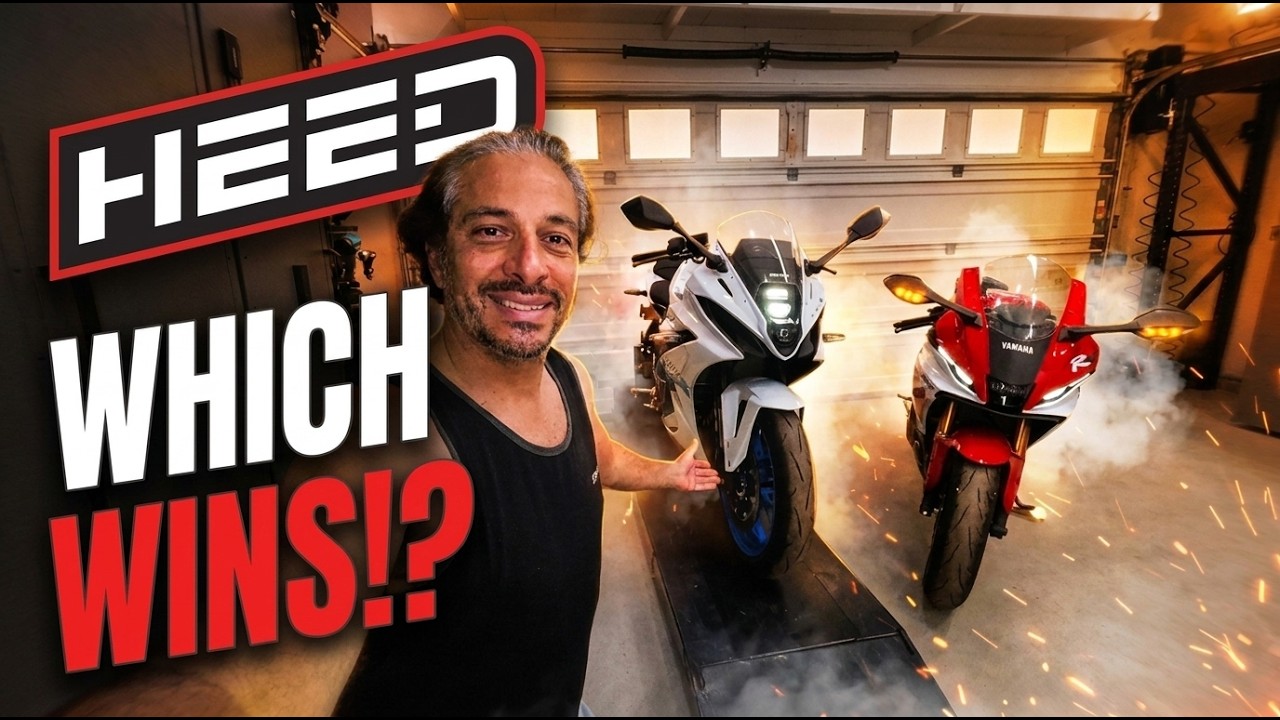
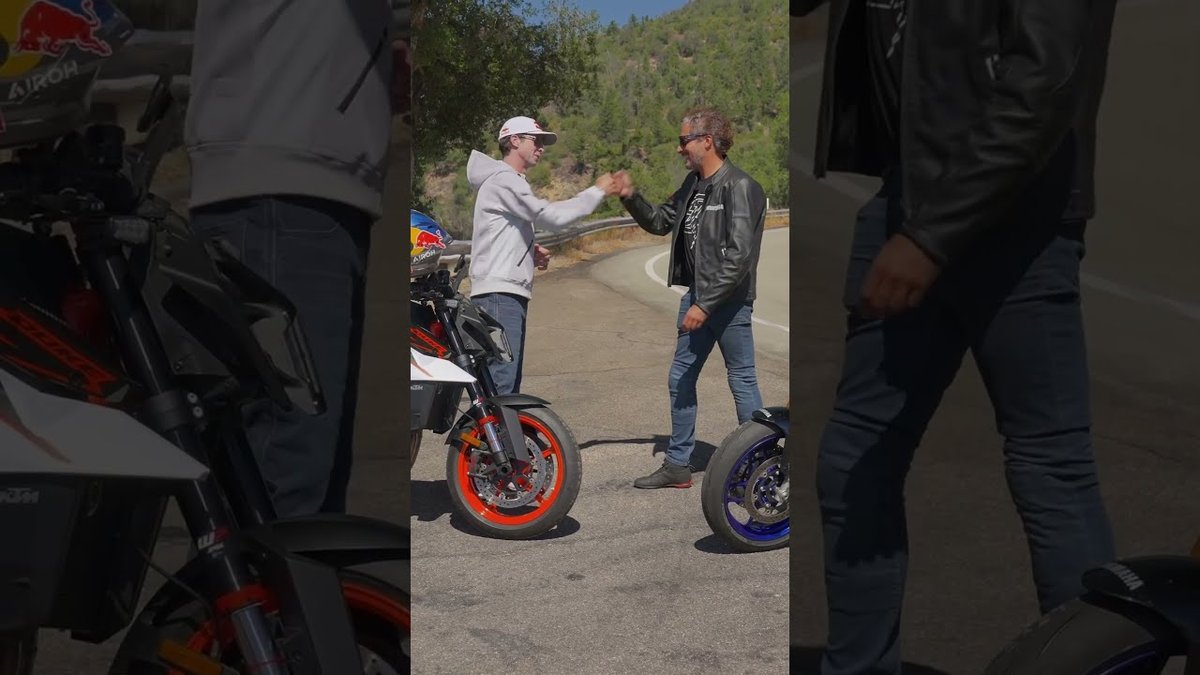
In stock form it makes right around 160 horsepower at the business end of the Bridgestone Battlax tire. Note that our bike wears Battlax Racing Street RS12s, not the OEM-spec RS11s, because the RS12 is what we run for our Head 2 Head series with Red Bull freestyle street rider Aaron Colton.
That 160 is only the starting point. Flash the ECU and put a pipe on it, and this thing is good for 190 horsepower. That’s it: pipe, reflash, done. Look at that svelte muffler, too. The R1M isn’t Euro 5 compliant, so it’s no longer sold on the road in Europe. It’s still sold in America, thank goodness.
Fuel, Weight and a Polished Swingarm
The R1M drinks from a 4.5-gallon aluminum fuel tank and weighs 452 pounds with a full tank of gas. You get that bare-metal look on the tank and the polished aluminum swingarm, which looks so tasty with the R1 insignia stamped right into it. Look at that big, beefy swingarm. It all hangs off Yamaha’s aluminum Deltabox twin-spar frame.
Öhlins Gen 2 Semi-Active: Pussycat or Track Weapon
The R1M runs Öhlins Gen 2 semi-active suspension, which Yamaha calls Electronic Racing Suspension (ERS). It adjusts compression and rebound damping automatically in real time based on rider input and vehicle load. The 43mm NPX fork is gas-charged, and the Öhlins shock out back has its damping handled electronically. Rear preload is still set the old-fashioned way, with a collar. Unlike the Fireblade SP we broke down in our Fireblade SP Garage Talk, there’s no rear ride-height adjuster.
You can dial the suspension dynamics from mild to wild with the push of a button, and it’s really, really impressive. In the ERS menu you can build your own modes. We set M1 to full soft, M2 to medium and M3 to full hard, which made testing the suspension easy. Or flip it into automatic mode and let the machine do the heavy lifting. Auto mode is super awesome and takes the worry out of adjustment. Want a pussycat on the street? You’ve got it. Want it firmed up for the track or high-speed riding? You can do that too.
A Heavy-Duty Electronics Arsenal
The R1M has a big electronics package built around a six-axis IMU. You get lean-sensitive traction control, slide control, wheelie control (Yamaha calls it Lift Control), Engine Brake Management and lean-sensitive Brake Control working with the ABS. That’s cornering ABS, though Yamaha doesn’t call it that. There are also combined engine power and throttle maps.
Then there’s launch control, so you can nail holeshots without totally destroying your clutch. The launch system holds rpm at a set threshold, and all you have to worry about is the clutch release. I remember launching these bikes manually, holding the throttle at a steady rpm while timing the clutch. That’s very difficult to get right. Take one of those variables away and you’re a lot more consistent.
What it doesn’t have is cruise control, heated grips and some of the other comfort features you’ll find on European superbikes. That’s OK. It’s dripping in carbon fiber instead.
The 4.2-Inch TFT: Small, But Slick
It’s all controlled through a 4.2-inch color TFT. When this display came out in 2015 it was the size of an iPhone 6, which was super awesome. Eleven years later it’s downright small. Even so, it packs a ton of information and lays it out in a fairly organized way. The multi-wheel control lets you dive into the menu and make all kinds of adjustments, and the user interface is super slick, unlike Honda’s CBR.
Advics Brakes: The R1M’s Weak Link
Braking comes from triple-disc hydraulic brakes, with dual 320mm front rotors gripped by radial-mount, four-piston Advics calipers and fed by a Nissin radial master cylinder. Those Advics calipers, along with many, many feet of ABS plumbing, are the weak link on this Yamaha. All that plumbing gives the R1M a propensity for brake fade. You have to be really getting after it in the corners to make the brakes fade on the street, but it can happen. On the racetrack, it really does fade. If there’s one area where the YZF-R1M needs an upgrade, it’s the brakes.
Built-In GPS Data Logging
Here’s a cool one. The R1M has GPS data acquisition built in through Yamaha’s Communication Control Unit. Download Yamaha’s Y-TRAC app and you get all kinds of metrics from the racetrack right on your phone, including course mapping and automatic lap timing. This bike had that technology 11 years ago. How neat is that?
Quickshifter, Slipper Clutch and Magnesium Wheels
The six-speed gearbox has a quickshifter for full-throttle upshifts and clutchless downshifts, backed by an assist and slipper clutch. The cable-actuated clutch has really nice feel.
Even cooler, it rolls on 10-spoke cast magnesium wheels. That’s right, magnesium. They cut unsprung weight and make the bike a lot more agile. The R1M still isn’t the quickest-steering superbike out there, and it’s a little heavier steering than the newest bikes in the class. But get it leaned over on the side of the tire and, oh boy, this thing is hooked up and feels good. Those mag wheels definitely help it change direction.
Verdict: The Ageless Japanese Superbike
That’s a quick rundown of Yamaha’s 2026 YZF-R1M. At $27,899 plus $775 destination, it’s built in Japan and backed by Yamaha’s one-year limited factory warranty. It’s not the newest superbike on the block, and the brakes and that little screen show their age, but the crossplane engine, the Öhlins semi-active suspension, the magnesium wheels and that carbon fiber bodywork keep this thing feeling fresh. For a six-year-old design, that’s a serious accomplishment.
Stay tuned for our full road test, and see how the R1M stacks up in our 2026 Honda CBR1000RR-R Fireblade SP vs. Yamaha YZF-R1M comparison. Also catch our 2026 Honda CBR1000RR-R Fireblade SP Commute Review and our 2027 Suzuki GSX-R1000R Real MC Commute, and browse more sportbikes and the rest of our Yamaha motorcycles coverage. Which superbike should we test next? Sound off in the comments.
2026 Yamaha YZF-R1M Specifications
| Spec | 2026 Yamaha YZF-R1M |
|---|---|
| U.S. MSRP | $27,899 plus $775 destination ($28,674 total base price) |
| Warranty | 1 year (limited factory warranty) |
| Engine | 998cc liquid-cooled inline-four, DOHC, 4 valves per cylinder, crossplane crankshaft (CP4), titanium connecting rods |
| Bore x stroke | 79.0mm x 50.9mm |
| Compression ratio | 13.0:1 |
| Fuel delivery | Fuel injection with YCC-T ride-by-wire and YCC-I variable intake |
| Horsepower | About 160 hp stock at the rear wheel; about 190 hp with ECU flash and exhaust |
| Transmission / final drive | 6-speed with assist and slipper clutch; Quick Shift System (up and down, 3 settings); chain |
| Electronics | 6-axis IMU; 4-level power modes; lean-sensitive traction control; 4-level slide control; 4-level lift control; 3-level launch control; 3-level Engine Brake Management; lean-sensitive Brake Control with ABS |
| Data logging | Communication Control Unit with GPS data logging, course mapping and automatic lap timing; Y-TRAC app |
| Frame / swingarm | Aluminum Deltabox / polished aluminum |
| Front suspension | 43mm Öhlins Electronic Racing Suspension NPX fork, fully adjustable; 4.7 in travel |
| Rear suspension | Öhlins Electronic Racing Suspension single shock, fully adjustable; 4.7 in travel |
| Front brakes | Dual 320mm discs, radial-mount Advics 4-piston calipers, Nissin radial master cylinder; Brake Control and ABS |
| Rear brake | 220mm disc; Brake Control and ABS |
| Wheels | 10-spoke cast magnesium |
| Tires (F/R) | Bridgestone Battlax Racing Street RS11; 120/70ZR17 / 200/55ZR17 |
| Rake / trail | 24.0° / 4.0 in |
| Wheelbase | 55.3 in |
| Seat height | 33.9 in |
| Ground clearance | 5.1 in |
| L x W x H | 80.9 x 27.2 x 45.9 in |
| Wet weight | 452 lb |
| Fuel capacity | 4.5 gal |
| Fuel economy | 33 mpg |
| Display | 4.2-in full-color TFT |
| Lighting | Full LED |
| Bodywork | Full carbon fiber with carbon fiber winglets; serial-numbered R1M badge |
| Cruise control | Not available |
| Color | Carbon Fiber |
| Built in | Japan |
2026 Yamaha YZF-R1M FAQ
How much does the 2026 Yamaha YZF-R1M cost?
The 2026 YZF-R1M costs $27,899 MSRP plus a $775 destination charge, for a $28,674 total base price. It comes in Carbon Fiber and carries a one-year limited factory warranty.
How much horsepower does the YZF-R1M make?
In stock form the R1M makes right around 160 hp at the rear wheel, and with an ECU flash and an exhaust it’s good for about 190 hp.
What suspension does the 2026 R1M use?
Öhlins Electronic Racing Suspension (ERS), Öhlins’ second-generation semi-active setup, with a 43mm NPX fork and an electronically damped shock. It adjusts damping in real time automatically, or you can build your own custom modes. Rear preload is set manually with a collar.
What are the YZF-R1M’s weak points?
The brakes. The Advics calipers and long runs of ABS plumbing make the R1M prone to brake fade on the racetrack, and occasionally on the street when you’re riding hard. The 4.2-inch TFT is small by modern standards, and there’s no cruise control or heated grips.
Is the 2026 YZF-R1M sold in Europe?
No. The R1M isn’t Euro 5 compliant, so it’s no longer sold on the road in Europe. It’s still sold in the United States.
More Sportbike Coverage on Moto-1
- 2026 Yamaha YZF-R1M Real MC Commute
- 2026 Honda CBR1000RR-R Fireblade SP Garage Talk: Bespoke and Muzzled
- 2026 Honda CBR1000RR-R Fireblade SP Commute Review
- 2027 Suzuki GSX-R1000R Real MC Commute
- 2025 BMW S1000RR Real MC Commute: Plush Ride, Buzzy Heart
- Head 2 Head Series Premiere
- Sportbikes
- Yamaha Motorcycles