Southern California Sportbike Shootout
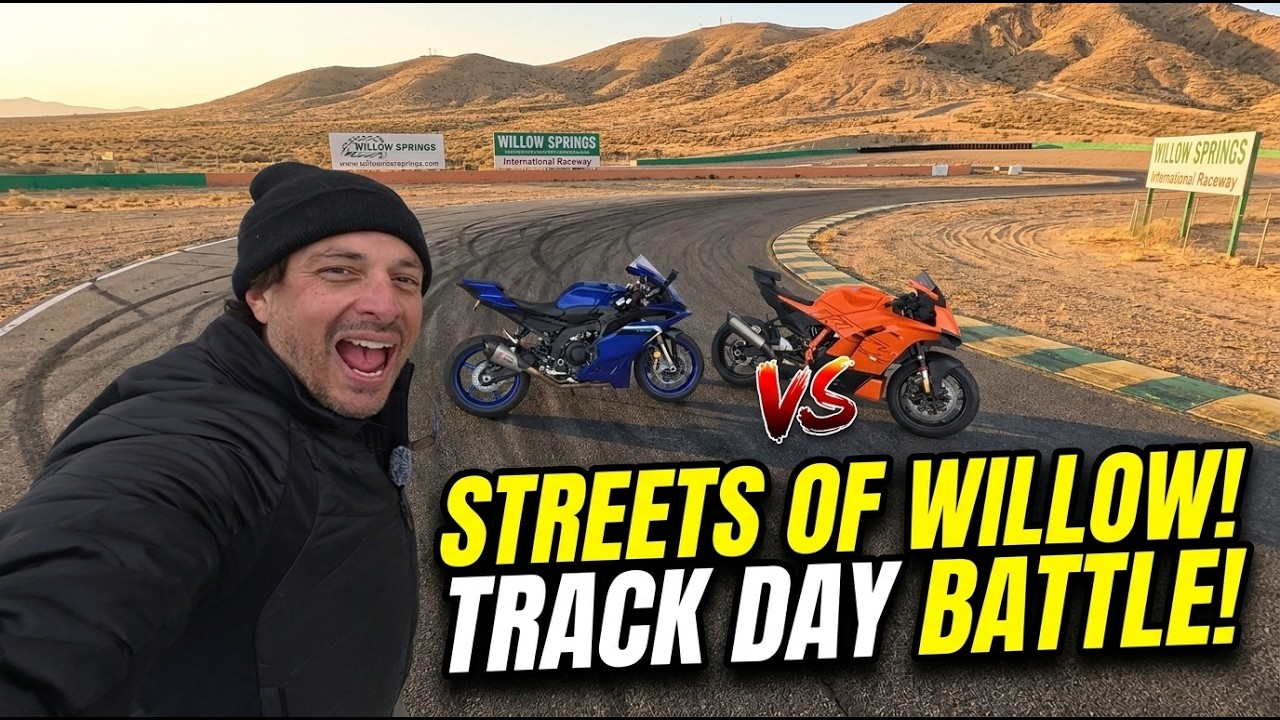
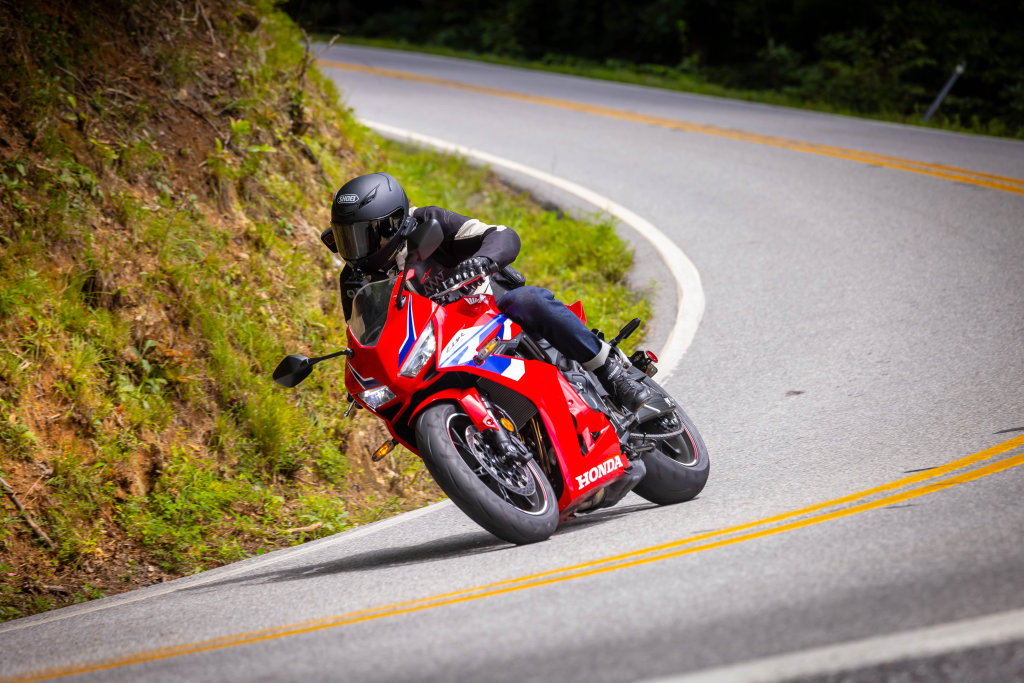
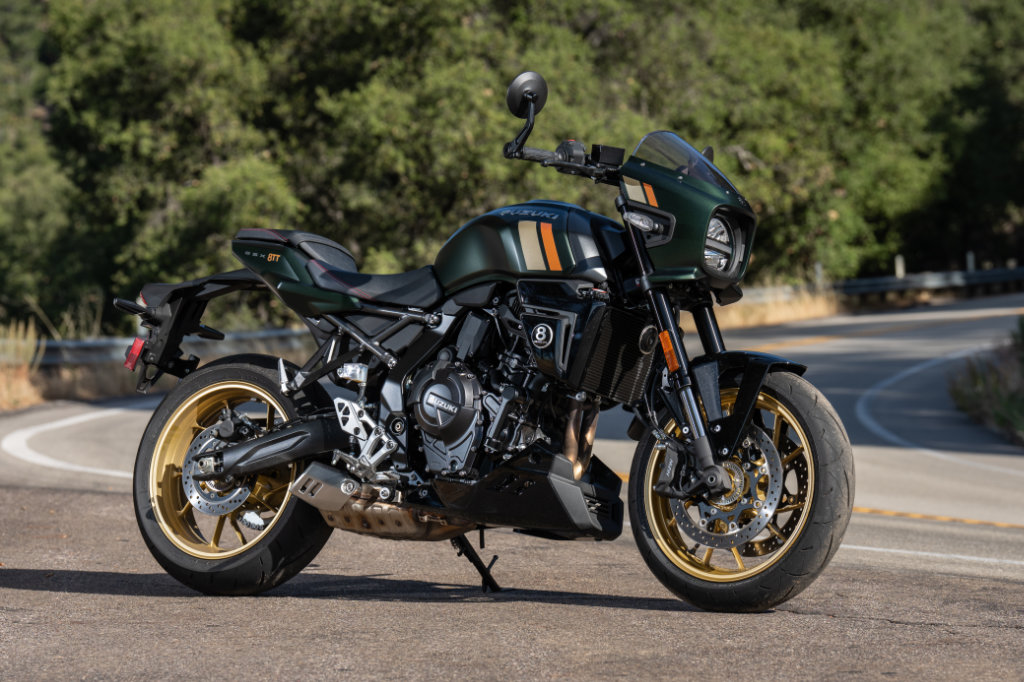
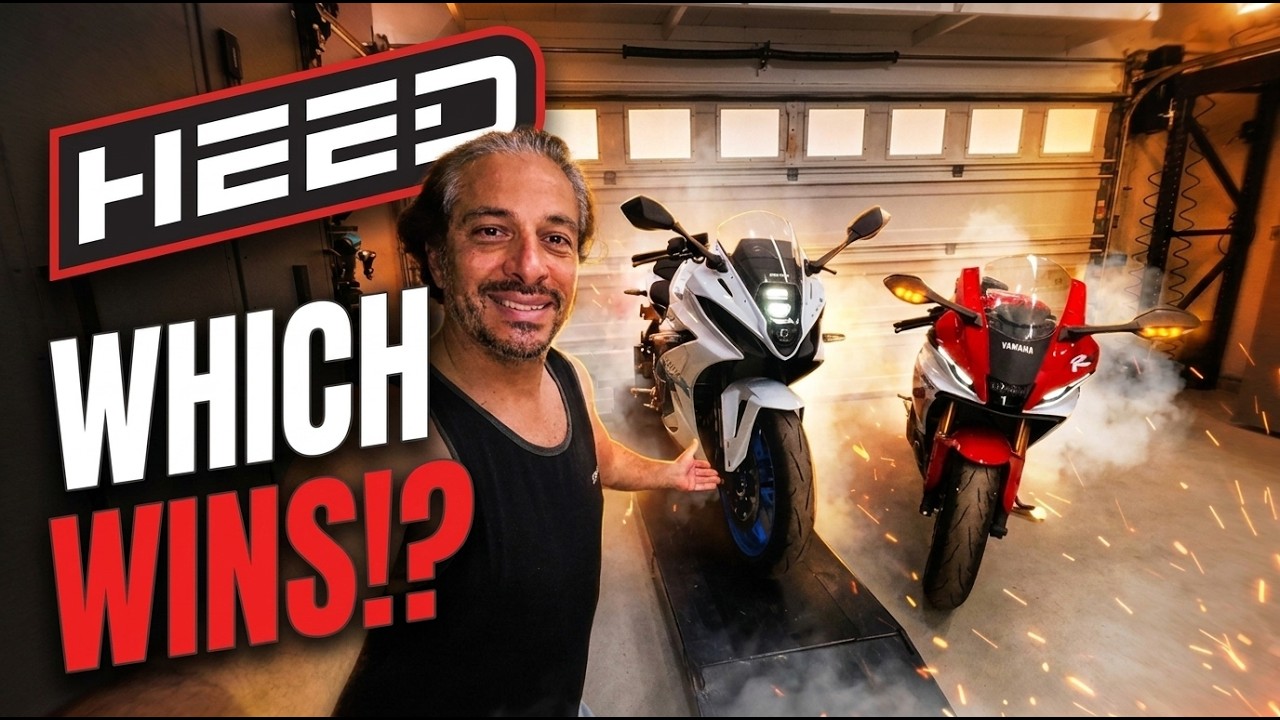
The middleweight sportbike class is currently enjoying a massive renaissance, and the battle lines are officially drawn. If you are looking for a real-world sportbike to tear up the local twisties or tackle the daily commute, two machines stand at the top of the food chain: the 2026 Suzuki GSX-8R and the 2026 Yamaha YZF-R7.
To find out which machine reigns supreme, we brought them into the garage for an exhaustive, point-by-point shootout.
The Powerplants: Displacement vs. Efficiency
The mechanical philosophies of Hamamatsu and Iwata diverge the moment you look at the powerplants.
The Suzuki GSX-8R features a 776cc parallel-twin engine utilizing a dual overhead cam, 8-valve design. On the dyno, it pumps out right around 73 horsepower and upwards of 50 lb-ft of torque. It is a muscular, punchy motor that punches above its weight class.
Conversely, the Yamaha YZF-R7 is propelled by the legendary 689cc CP2 parallel-twin. It is slightly smaller in displacement and produces a bit less raw muscle—milking out 66 to 67 horsepower and just under 50 lb-ft of torque.
Both bikes feature crisp six-speed transmissions equipped with electronic quickshifters for seamless, full-throttle upshifts and downshifts, alongside cable-actuated slipper clutches. However, while the Suzuki dominates the pure power category, Yamaha strikes back at the pump. The CP2 engine is far less thirsty, sipping fuel at an impressive 43 mpg compared to the Suzuki’s 41 mpg during fast riding.
Chassis, Ergonomics, and Real-World Weight
When it comes to the scales and ergonomics, these two Japanese competitors feel worlds apart.
- The Suzuki GSX-8R scales in at a heavy 452 lbs with its 3.7-gallon tank topped off. While the weight masks itself well once moving, the bike feels dimensionally larger—offering a spacious cockpit, a wide, plush saddle, and a more upright handlebar bend that leans toward sport-touring comfort.
- The Yamaha YZF-R7 is a pure, unadulterated sportbike. It scales in at a featherweight 417 lbs (a massive 35-lb advantage over the Suzuki). It features low-mounted clip-on handlebars that force the rider into an aggressive, racy tuck.
Suspension and Braking Components
Yamaha takes a clear win in the chassis hardware department. The YZF-R7 features a fully adjustable KYB inverted front fork (adjustable for preload, compression, and rebound damping) paired with a linkage-equipped rear shock featuring preload and rebound adjustability.
The GSX-8R utilizes high-quality Showa components, but adjustability is severely limited—offering fixed damping settings up front and only spring preload adjustment at the rear.
In the braking department, both utilize dual front radial-mount calipers. However, the Yamaha ups the ante with a premium Brembo radial master cylinder that provides superior lever feel. Furthermore, the R7 features advanced, switchable ABS options—including the ability to fully disable the rear ABS for track or aggressive riding—whereas the Suzuki relies on a fixed, always-on ABS system.
Technology and Electronics
If you love advanced rider aids, the Yamaha leaves the Suzuki in the digital dust. The R7 sports a gorgeous, full-color TFT display packed with lean-angle-sensitive rider assists, including traction control, slide control, wheelie control, global riding modes (Sport, Street, Rain, Custom), and even cruise control. It also seamlessly pairs with Yamaha’s Y-Connect mobile application.
The Suzuki GSX-8R keeps things decidedly old-school. It utilizes a simpler backlit LCD screen and basic electronic features consisting of standard traction control, fixed ABS, and three global engine power modes (A, B, and C).
The Verdict
Inside the garage, the 2026 Yamaha YZF-R7 takes the crown. Despite a slight horsepower deficit to the Suzuki, its 35-lb weight advantage, fully adjustable KYB suspension, premium Brembo braking components, and cutting-edge electronics package make it the more dominant sport-focused weapon.
However, the 2026 Suzuki GSX-8R cannot be counted out. For riders seeking all-day comfort, a more stable footprint, and a more muscular engine for freeway cruising, the Suzuki remains an incredibly compelling real-world package.
2026 Middleweight Shootout Technical Specifications
| Specification | 2026 Suzuki GSX-8R | 2026 Yamaha YZF-R7 |
| Engine Type | 776cc liquid-cooled parallel-twin, DOHC | 689cc liquid-cooled CP2 parallel-twin, DOHC |
| Claimed Horsepower | ~73 hp | ~66-67 hp |
| Claimed Torque | ~50 lb-ft | ~49 lb-ft |
| Transmission | 6-speed w/ bi-directional quickshifter | 6-speed w/ bi-directional quickshifter |
| Wet Weight (Claimed) | 452 lbs | 417 lbs |
| Fuel Capacity | 3.7 gal | 3.7 gal |
| Observed Fuel Economy | 41 mpg | 43 mpg |
| Front Suspension | Showa inverted fork, non-adjustable | KYB inverted fork, fully adjustable |
| Rear Suspension | Showa link-type shock, preload adjustable | Link-type shock, preload & rebound adjustable |
| Front Brakes | Dual Nissin 4-piston radial calipers | Dual 4-piston radial calipers, Brembo master cyl. |
| Rider Aids | 3 Drive Modes, Traction Control, Fixed ABS | Power Modes, Traction, Slide & Wheelie Control, Cruise, Adjustable ABS |
| U.S. MSRP | $9,699 | $9,699 (Standard Colorway) |
| Warranty | 1-Year Factory Limited Warranty | 1-Year Factory Limited Warranty |