Harley-Davidson isn’t just a motorcycle brand; it is a piece of American history. The story began in 1903 in a small 10-by-15-foot wooden shed in Milwaukee, Wisconsin, where childhood friends William S. Harley and Arthur Davidson, along with Arthur’s brothers Walter and William, built their first production motorcycle. While many early competitors faded away, Harley-Davidson became a symbol of national resilience, surviving the Great Depression and serving as a vital supplier for the U.S. military during both World Wars. This “war-born” durability cemented the brand’s place in the American psyche, evolving into the “biker” culture of the 1950s and ’60s that prioritized the visceral rumble of the 45-degree V-twin engine above all else.
Throughout the 20th century, Harley-Davidson defined the “heavyweight cruiser” and “touring” segments. Iconic engine designs—from the Knucklehead of 1936 to the Shovelhead and the modern Milwaukee-Eight—became the heartbeat of the American highway. The brand survived a turbulent period under AMF ownership in the 1970s, eventually reclaiming its independence in 1981 through a legendary management buyout. This era birthed the Softail and the Fat Boy, bikes that leaned heavily into nostalgic styling while introducing modern suspension and reliability. For the American rider, the “Bar & Shield” logo came to represent a lifestyle of personal freedom and the camaraderie of the Harley Owners Group (H.O.G.).
The American Manufacturing Footprint
Harley-Davidson remains one of the few global motorcycle manufacturers with a deep, multi-state manufacturing footprint in the U.S. The “heart” of the machine is built at the Pilgrim Road Powertrain Operations in Menomonee Falls, Wisconsin, where the big V-twin engines are machined and assembled. Final vehicle assembly primarily takes place at the massive York, Pennsylvania facility. While the company has expanded globally to reach international markets, every Harley-Davidson sold in the United States is still assembled on American soil, maintaining the “Made in the USA” heritage that remains a primary draw for its domestic fanbase.
Harley-Davidson in 2025: The “Hardwire” Evolution
In 2025, Harley-Davidson is executing its “Hardwire” strategic plan, balancing its heavyweight legacy with a bold digital transformation. The 2025 lineup is headlined by the expansion of the Milwaukee-Eight 117 powertrain across the Cruiser and Grand American Touring lines, featuring new liquid-cooled cylinder heads for improved rider comfort. A major standout is the 2025 Street Glide Ultra, which combines the sleeker “batwing” aerodynamics introduced last year with full-touring amenities for long-haul travel. Meanwhile, the brand’s electric wing, LiveWire, has matured into a publicly traded powerhouse, debuting the S2 Alpinista and the S4 Honcho series. These bikes offer a “silent rumble” and haptic pulse technology, proving that even as Harley-Davidson moves toward a zero-emission future, it refuses to sacrifice the sensory soul that has defined the brand for 122 years.
-
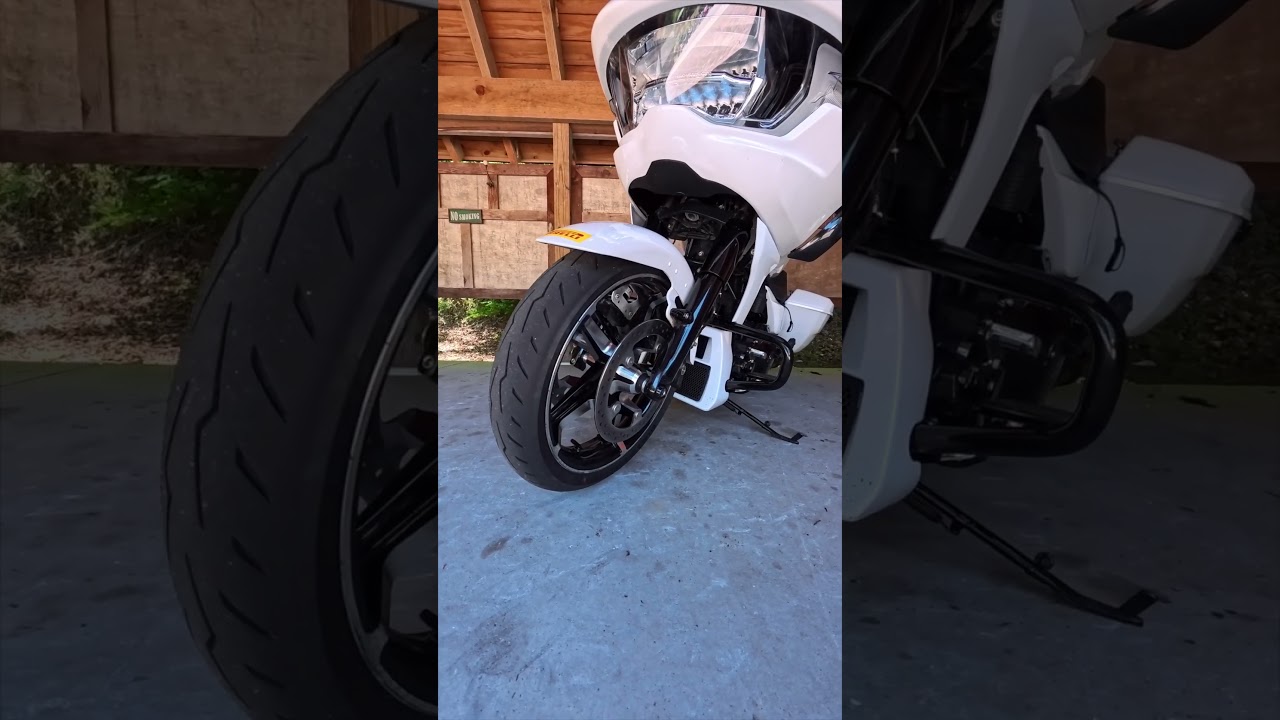
Top 5 Reasons Why Pirelli Diablo Powercruiser Tires Transform Heavy V-Twins
Maximum cornering precision for big cruiser bikes.
-
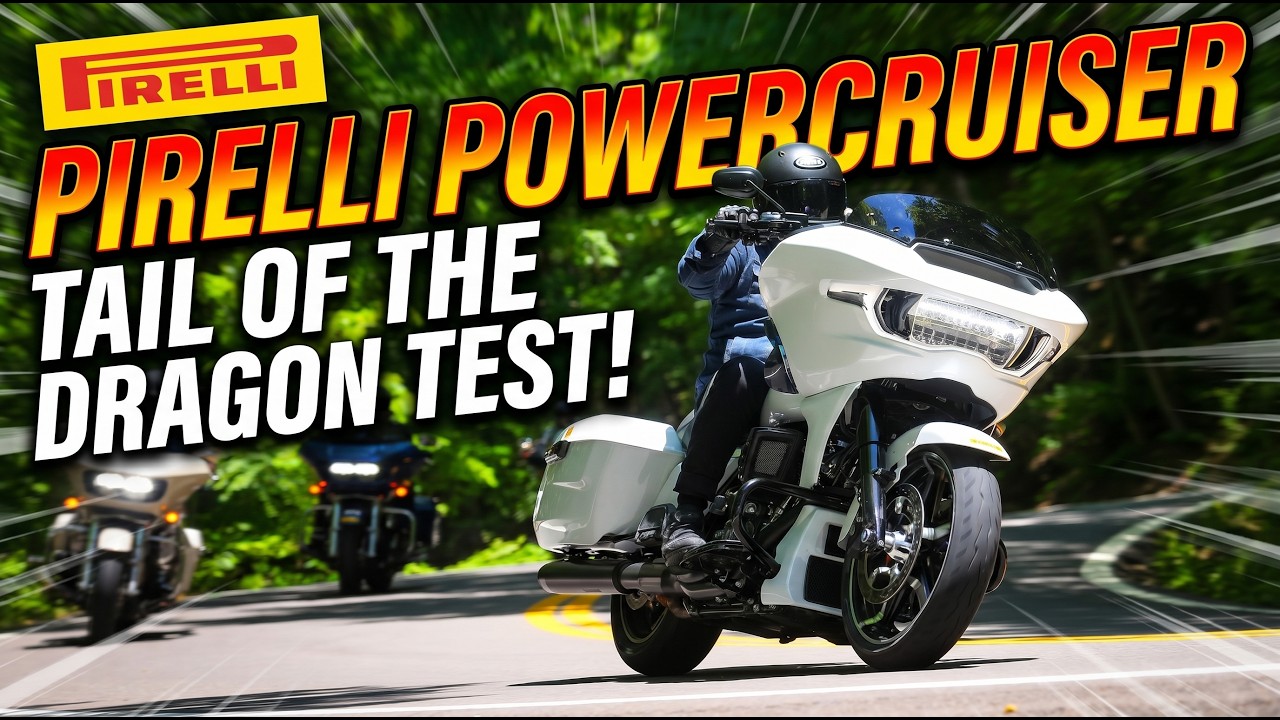
2026 Harley-Davidson Road Glide Review: Pirelli Diablo Powercruiser Upgrade
A powerful Harley-Davidson demands a more grippy tire from Pirelli.
-
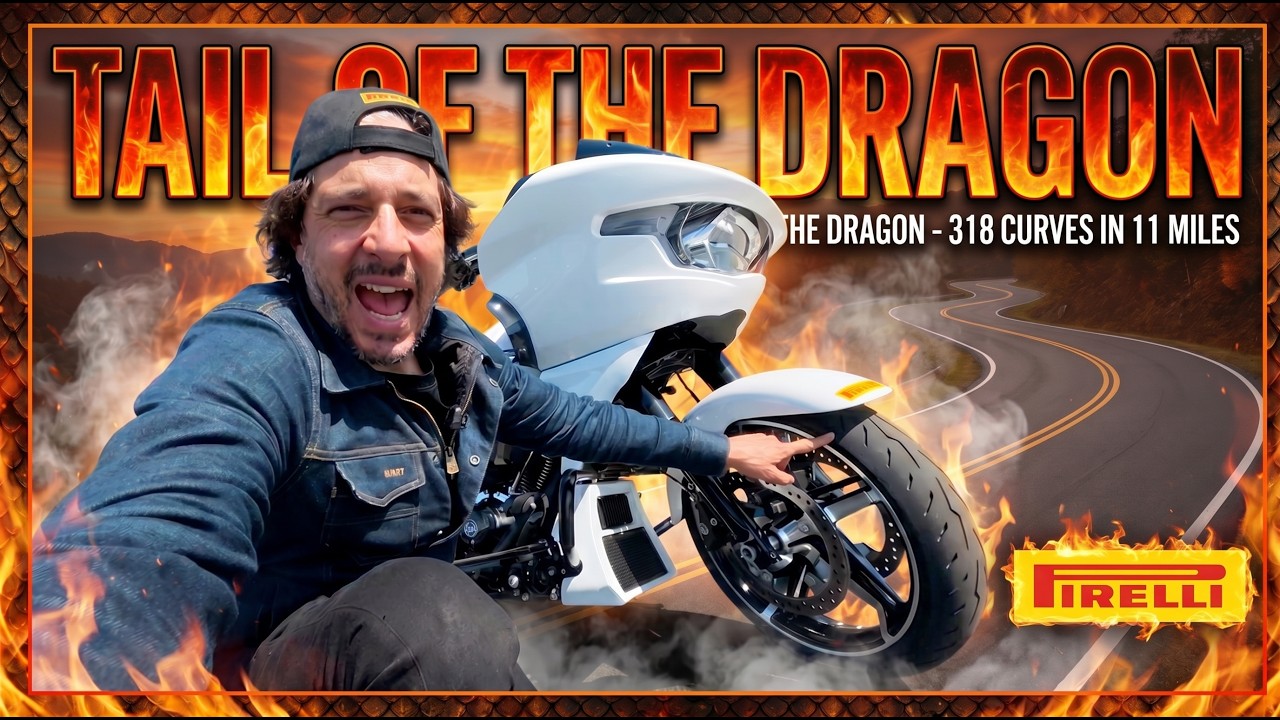
Pirelli Diablo Powercruiser Tire Review
Lean Hard on the Dragon With Pirelli’s New High-Performance V-Twin Rubber.