Can-Am is a name that represents a bold, non-conformist approach to powersports. While many associate the brand with the stable, three-wheeled “trikes” seen on American highways, Can-Am’s history is rooted in the high-stakes world of 1970s motocross. Born in 1972 as a subsidiary of the Canadian giant Bombardier (BRP), the brand was a “North American underdog” designed to take on European and Japanese manufacturers. Using high-output engines from BRP’s Austrian subsidiary, Rotax, the first Can-Am motorcycles were an instant sensation. In 1974, they achieved a feat rarely seen in racing history: sweeping the first, second, and third places in the AMA 250cc National Motocross Championship.
Despite its early dominance, the global oil crisis and a strategic shift toward aerospace and rail led Bombardier to phase out motorcycle production by 1987. For nearly two decades, the brand name remained dormant on the road until the 2007 debut of the Can-Am Spyder. This “Y-frame” three-wheeler was a revolutionary hybrid, offering the open-air thrill of a motorcycle with the stability of a car. For the U.S. market, it opened the world of riding to a massive new demographic—including long-distance tourers and those who preferred not to balance a heavy two-wheeled machine—eventually leading to the more accessible and customizable Ryker in 2019.
The Valcourt Connection
Can-Am remains a symbol of Canadian engineering, with its global headquarters and primary R&D located in Valcourt, Quebec. While the heavy-duty Rotax engines are largely developed and manufactured in Gunskirchen, Austria, the assembly and final design of the on-road vehicles happen in North America. This cross-continental partnership allows Can-Am to maintain a unique “industrial-strength” feel, utilizing automotive-grade technology like stability control systems and semi-automatic transmissions that set them apart from traditional motorcycle manufacturers.
Can-Am in 2025: Return to Two Wheels
In 2025, Can-Am has come full circle, officially returning to the two-wheeled market for the first time in nearly 40 years—but with a futuristic twist. The year marks the global launch of the Can-Am Origin and the Can-Am Pulse, the brand’s first all-electric motorcycles. The Origin is a tribute to the brand’s off-road heritage, acting as a high-performance dual-sport bike, while the Pulse is a sleek, “naked” street machine designed for urban commuting. Both models feature the Rotax E-Power unit, offering clutchless, “twist-and-go” acceleration and a silent, belt-driven experience. With integrated Apple CarPlay and a sub-4-second 0–60 mph time, these 2025 models are positioning Can-Am as a leader in the electric transition for American riders.
-
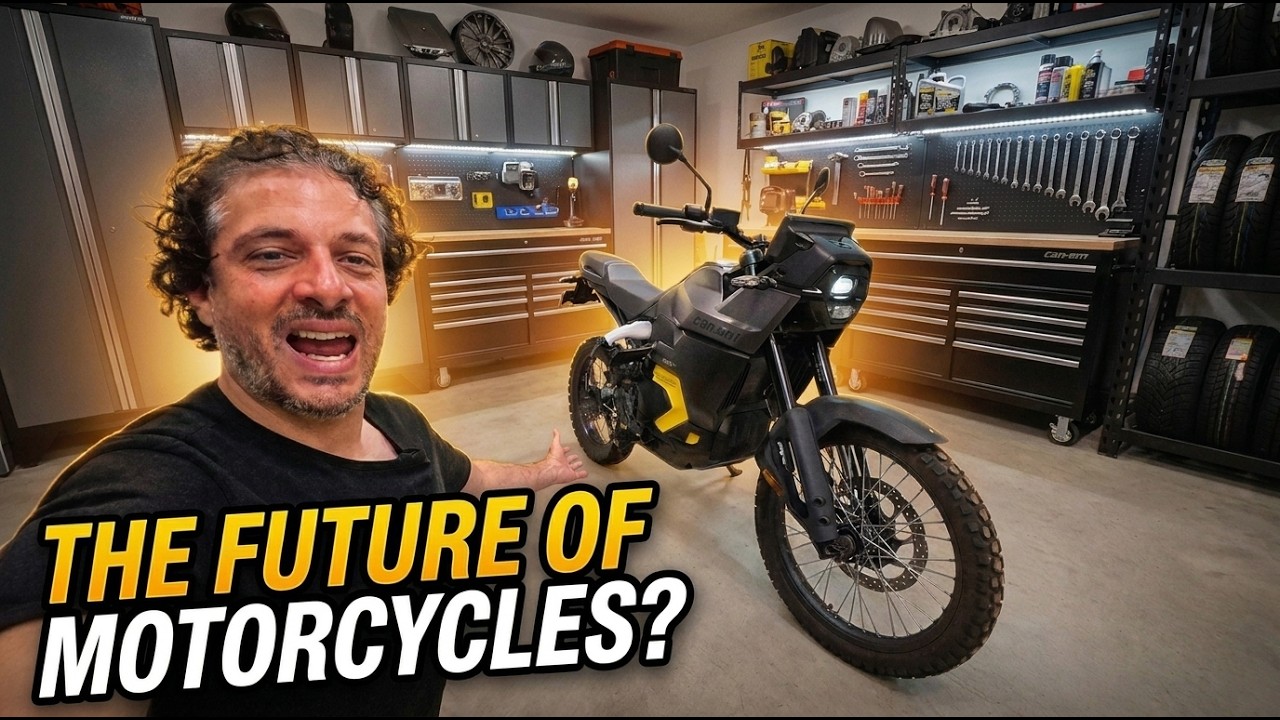
2026 Can-Am Origin Electric Dual-Sport Review
Go for a ride aboard Can-Am’s Origin electric bike.
-
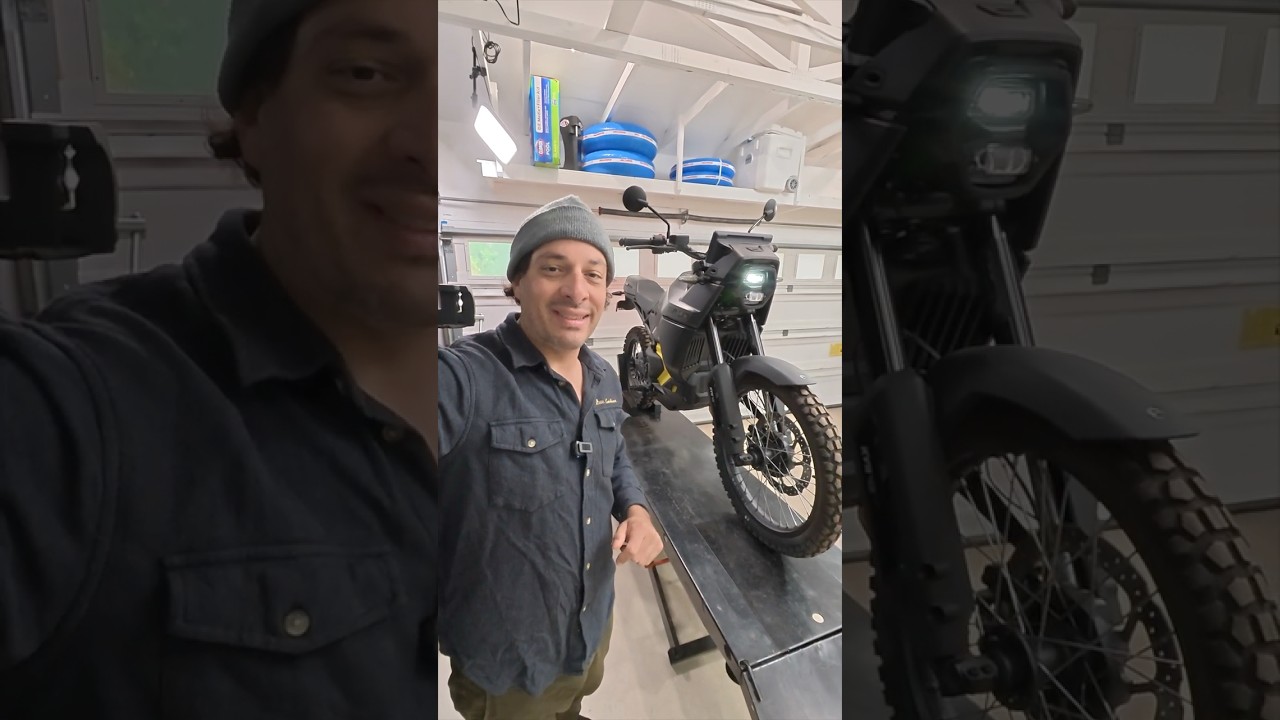
What You Didn’t Know About Can-Am’s Origin Electric Bike
The 2026 Can-Am Origin has officially arrived, bringing a silent revolution to the streets.
-

Can-Am Canyon Red Rocks Review
Riding the Can-Am Canyon Red Rocks through South Dakota!
-
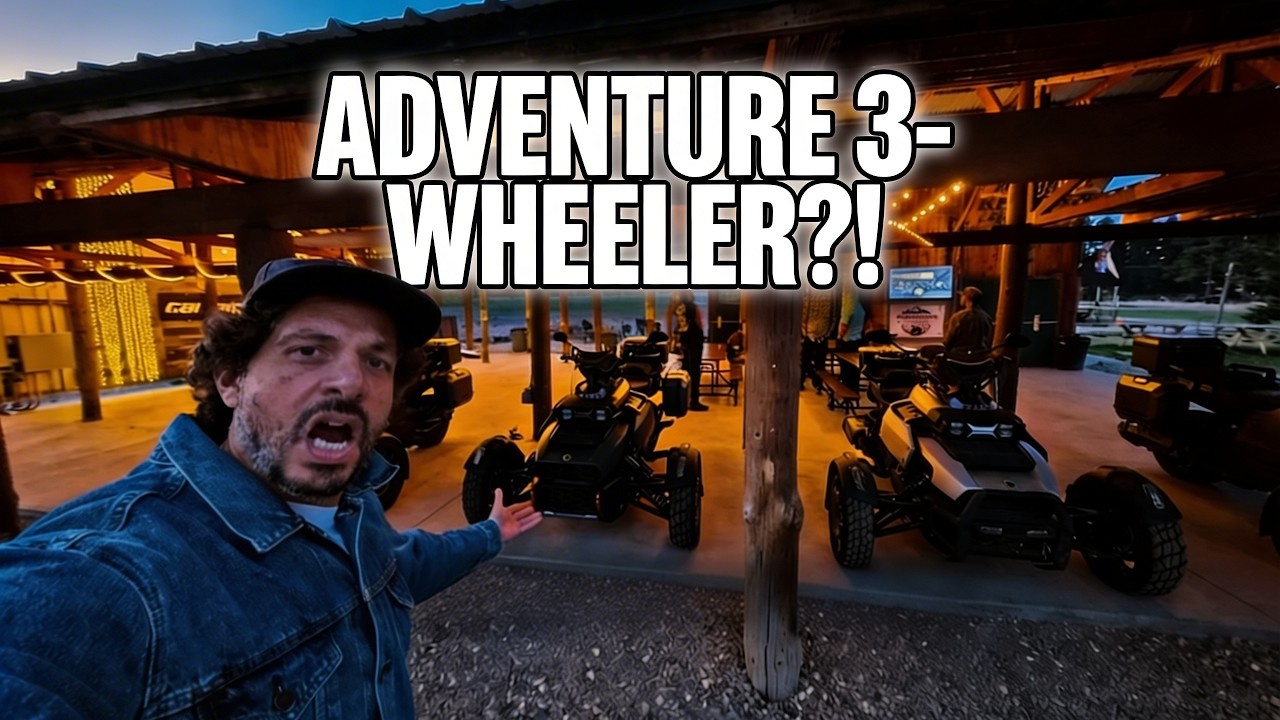
Three Wheels, One Mission: Taming South Dakota’s Black Hills on the Can-Am Canyon
Adventure therapy: Can-Am Canyon tames South Dakota’s Black Hills.