Off-Road Freedom: The Definitive Guide to E-Motos and Electric Dirt Bikes in the U.S.
The off-road landscape is undergoing a high-voltage revolution. Once dominated by the unmistakable thrap of small-bore gas engines, a new category of two-wheeled performance has emerged: the E-Moto (or electric moto bike).
Built specifically for the dirt, these machines are non-street legal, high-torque off-road vehicles designed to tackle trail networks, private land, and tracks across the United States.
Whether you are looking for a nimble trail shredder or a full-blown motocross competitor, here is everything you need to know about navigating the E-Moto landscape, current performance standards, and riding legally off-road.
What is an E-Moto? (The Sweet Spot of Off-Road Performance)
An E-Moto sits in the performance sweet spot between a traditional Class 1/2/3 electric bicycle and a full-sized electric motorcycle. To the uninitiated, they might look similar to mountain bikes, but their mechanical architecture tells a completely different story.
Unlike e-bikes, E-Motos do not have functional pedals; they use moto-style footpegs, long-travel suspension, and high-voltage powertrains engineered for rugged, off-road terrain.
The Two-Wheel Electric Hierarchy
| Vehicle Type | Peak Power | Top Speed | Pedals? | Where to Ride |
| Class 1/2/3 E-Bike | Up to 750W | 20–28 mph | Yes | Bike lanes, paved paths, multi-use trails |
| E-Moto (Off-Road) | 3kW to 22kW | 45–70+ mph | No | OHV parks, singletrack, private land, MX tracks |
| Electric Motorcycle | 20kW to 80kW+ | 80+ mph | No | Public roads, highways (requires M1/license) |
Top E-Moto Contenders: The Off-Road Heavyweights
The industry has moved beyond its early, underpowered iterations. Today, higher system voltages are the new standard, delivering instant torque and sustained power. Here are the top non-street legal E-Motos conquering off-road terrain right now:
1. Altis Sigma (The Ultimate Power Play)
- System Voltage: 98V
- Peak Power: 22kW
- Top Speed: 70+ mph
- The Vibe: For riders who demand pure velocity. Its high-voltage architecture matches the raw performance of a traditional 250cc gas dirt bike, making it an absolute monster on wide-open trails.
2. E Ride Pro SS 3.0 (The Trail & Track Benchmark)
- System Voltage: 72V
- Peak Power: 16kW
- Top Speed: 60 mph
- The Vibe: Exceptionally balanced. It rolls off the showroom floor with a 19-inch front and 18-inch rear wheel setup, giving riders access to dedicated, knobby off-road tires without needing aftermarket modifications.
3. Rawrr Mantis X Pro (The Tech-Forward Trail Rider)
- System Voltage: 72V
- Peak Power: 15kW
- Top Speed: 65 mph
- The Vibe: Smart and agile. Featuring advanced smartphone app integration, this bike allows you to tune the throttle response and power delivery curves from your phone, making it highly adaptable to both technical singletracks and open trails.
4. Surron Light Bee X (The Custom Builder’s Dream)
- System Voltage: 60V
- Peak Power: 6kW
- Top Speed: ~46 mph
- The Vibe: The pioneer that started the movement. While it offers lower power out of the box compared to 72V and 98V competitors, it remains the ultimate platform for riders who love to build and customize their machines with aftermarket upgrades.
Where Can You Legally Ride Off-Road in the U.S.?
Because performance E-Motos are not street legal right out of the box, understanding where you can ride—and how to do so legally—is critical to protecting access to public lands.
Off-Highway Vehicle (OHV) Parks & State Trails
To ride on public off-road trails in the U.S., your E-Moto is generally classified as an Off-Highway Vehicle (OHV).
- Many states require an OHV registration decal (such as California’s OHV Sticker program).
- These registrations fund trail maintenance and ensure that your electric dirt bike is legally recognized on designated motorized trails.
Private Land & Motocross Tracks
E-Motos shine brightest on closed courses and private properties. Because they generate almost zero engine noise, they eliminate the acoustic footprint that often leads to noise complaints on private tracks.
United States Forest Service (USFS) & BLM Land
When riding on federal lands managed by the Bureau of Land Management (BLM) or the USFS, E-Motos are categorized as motorized vehicles.
- Do not ride them on trails designated exclusively for non-motorized use, hiking, or mountain biking.
- Stick to trails marked specifically for OHV, ATV, or dirt bike use. Always check local MVUMs (Motor Vehicle Use Maps) before heading out.
Why the E-Moto is Dominating the Off-Road Scene
The rapid shift toward electric off-road bikes isn’t just about early adoption; it comes down to a few major performance and lifestyle advantages over internal combustion engines:
- Instantaneous Torque: Electric motors deliver maximum torque from 0 RPM. There is no clutch to feather and no gears to shift—just pure, uninterrupted drive out of tight corners and up steep climbs.
- Minimal Maintenance: Forget about air filter cleanings, oil changes, top-end rebuilds, or cleaning gummed-up carburetors. You just wash it, lube the chain, check your tire pressure, and plug it in.
- Quiet Operation: The stealth aspect allows riders to enjoy the great outdoors without disturbing neighbors or wildlife, opening up riding opportunities that were once off-limits to loud gas bikes.
-
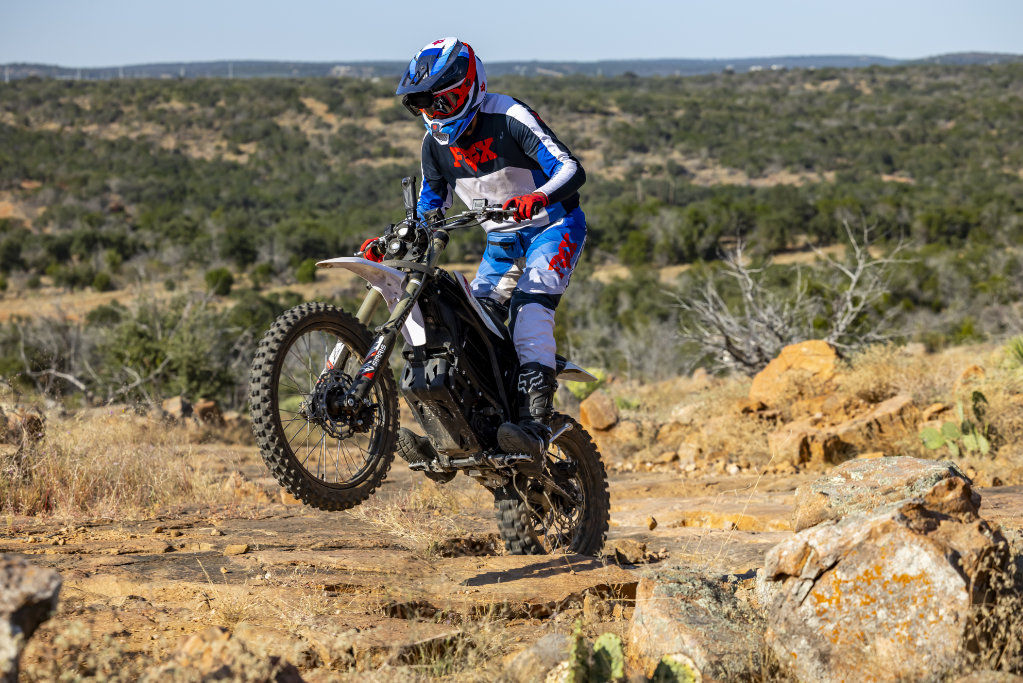
Zero Motorcycles XB and XE EMoto Reviews
Testing Zero’s new XE electric trail bike in Texas.