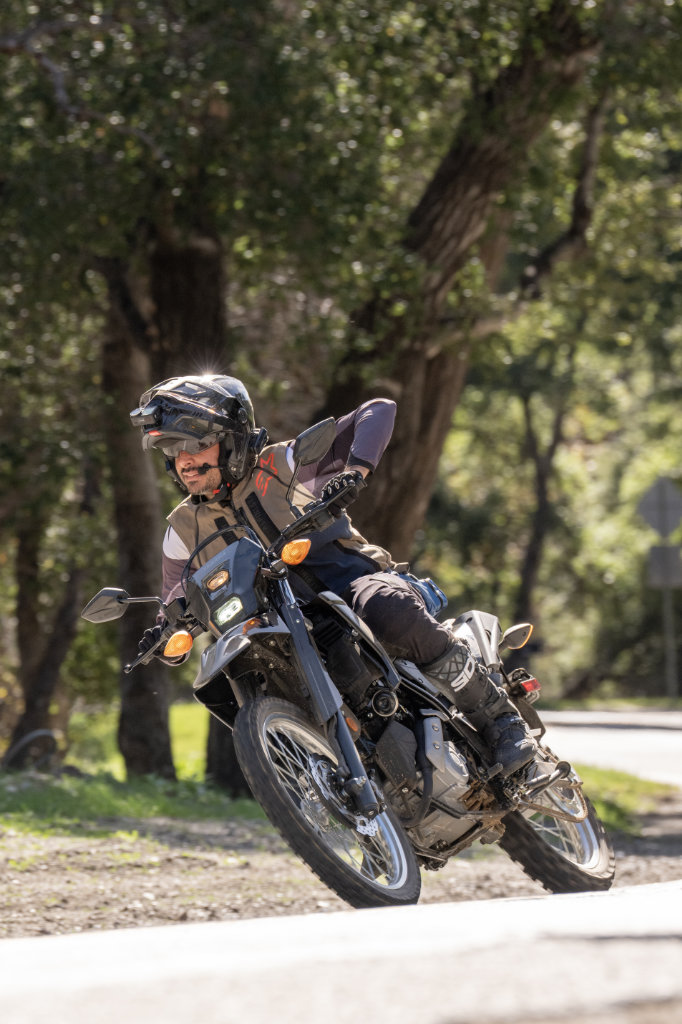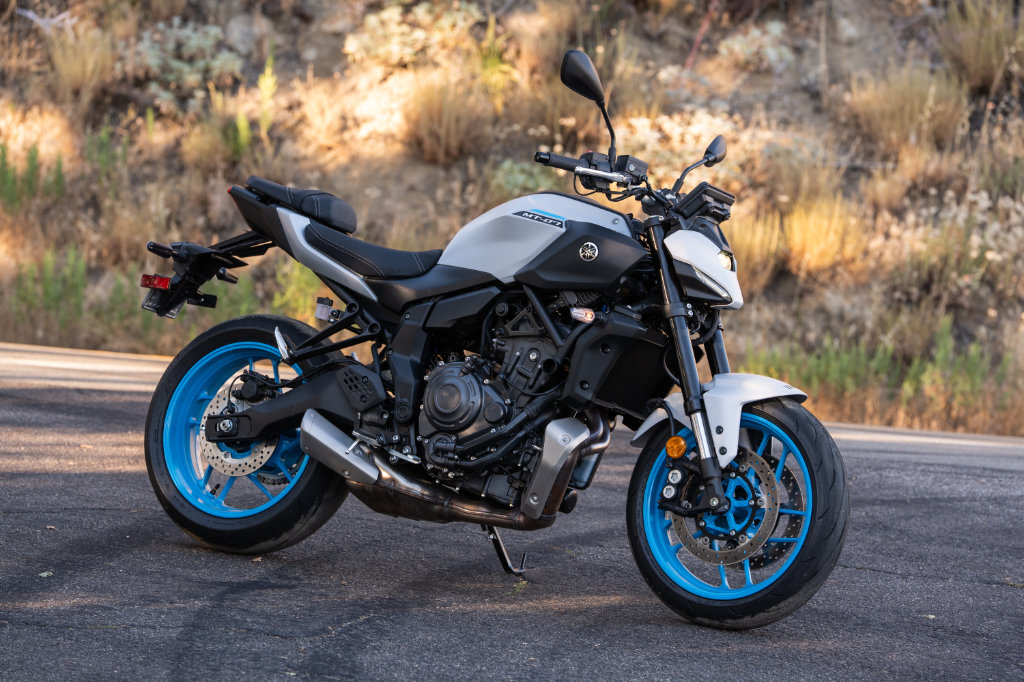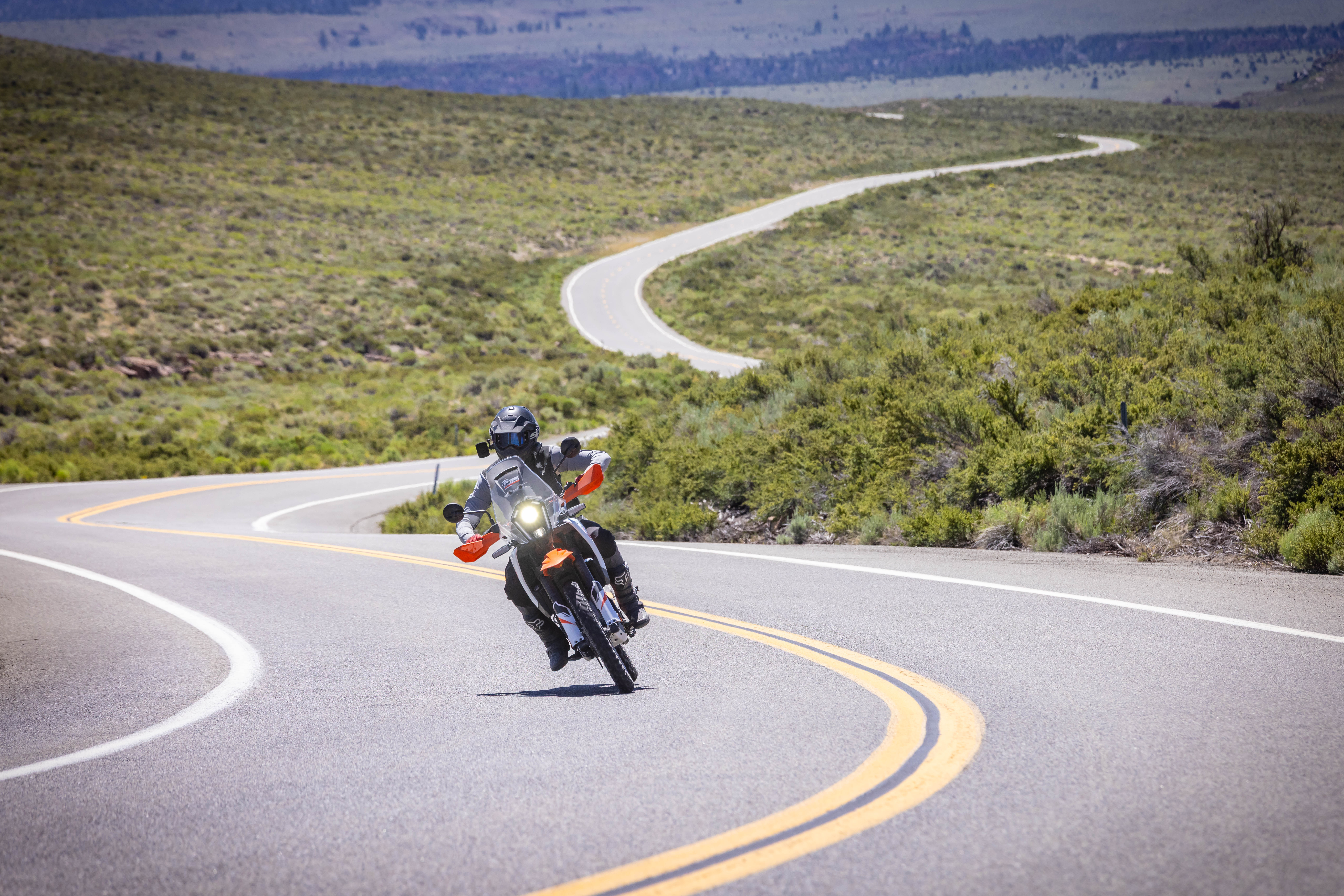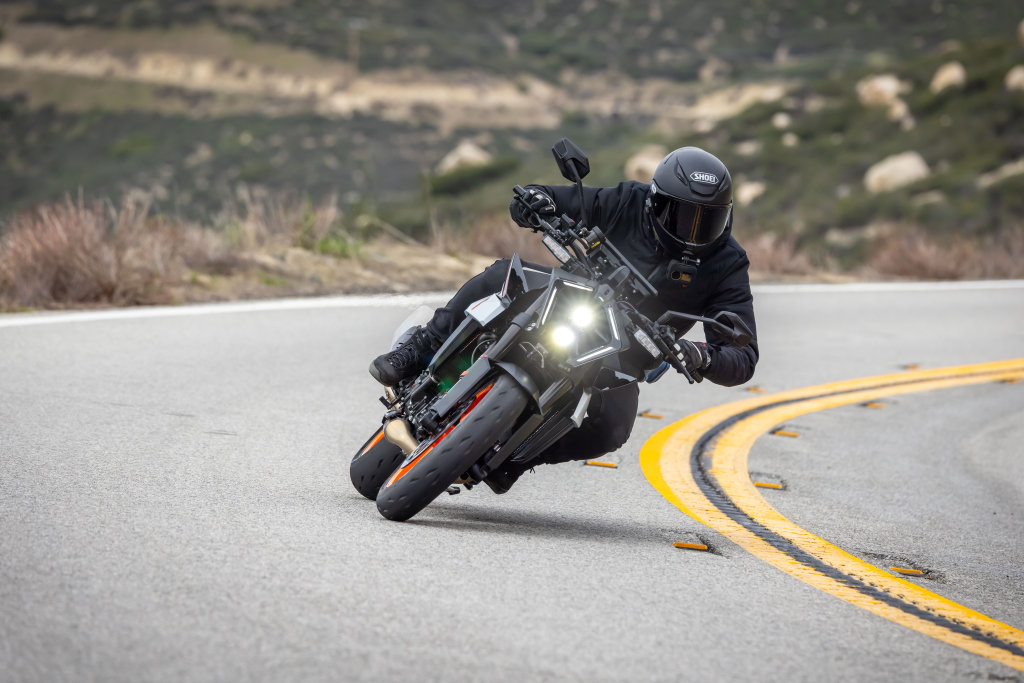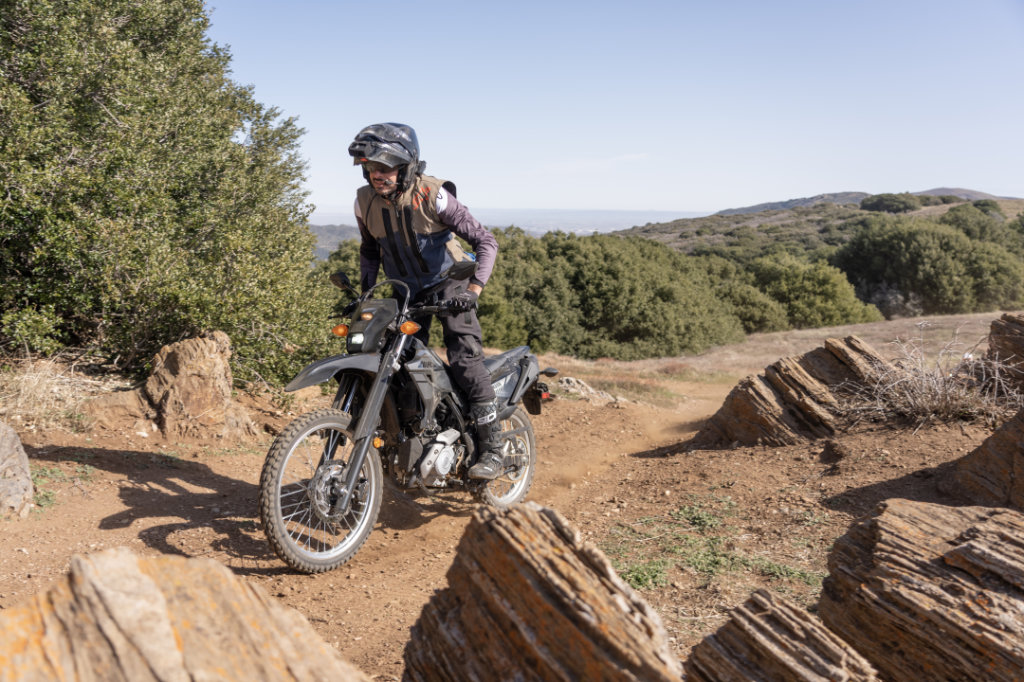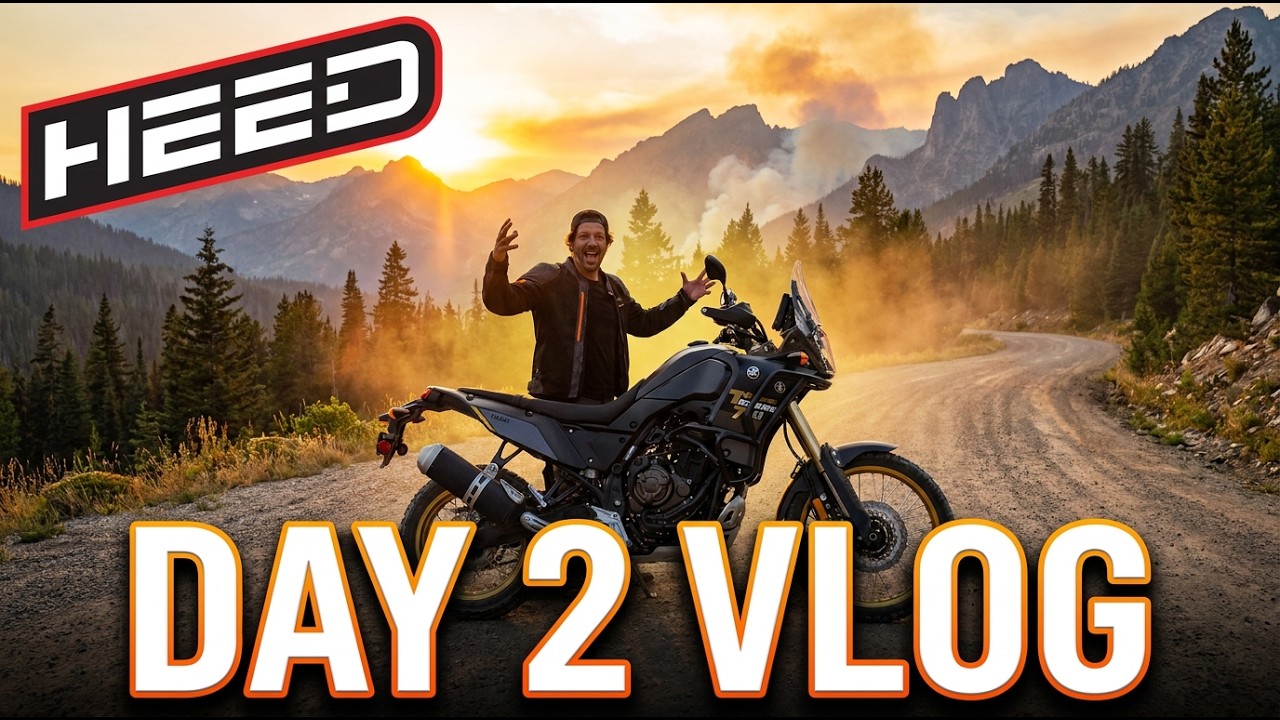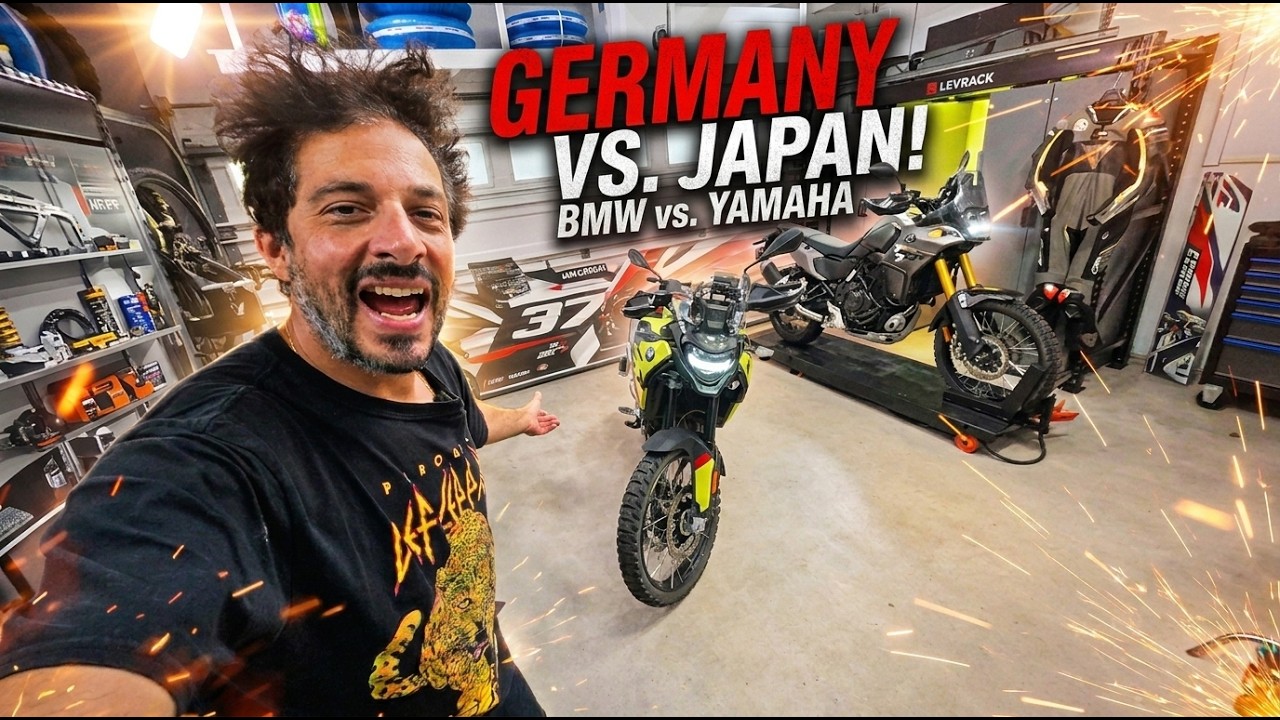
The middleweight adventure motorcycle segment is hotter than a California desert in July, and the 2025 model year has brought two of the absolute best to the forefront. In one corner, we have the heavily redesigned, premium powerhouse from Bavaria: the 2025 BMW F900GS. In the other corner, hailing from Japan, is the legendary, no-nonsense dirt maestro: the 2025 Yamaha Ténéré 700.
Both machines promise to conquer highways and kick up serious dust off-road, but they go about their business in fundamentally different ways. Whether you are canyon-carving near Los Angeles or exploring the technical fire roads of the Pacific Northwest, choosing between these two comes down to what you value most: premium tech and raw power, or pure, rally-bred simplicity.
Powertrain: Bavarian Muscle vs. Precise Japanese Torque
Right off the bat, the BMW F900GS asserts its dominance on paper. Powered by a liquid-cooled 895cc parallel-twin engine, it pumps out a healthy 105 horsepower at the rear tire. On the tarmac, this translates to a smooth, high-revving rocket ship that loves to stretch its legs. It delivers highly respectable gas mileage and remains virtually vibration-free, making long highway liaisons a breeze.
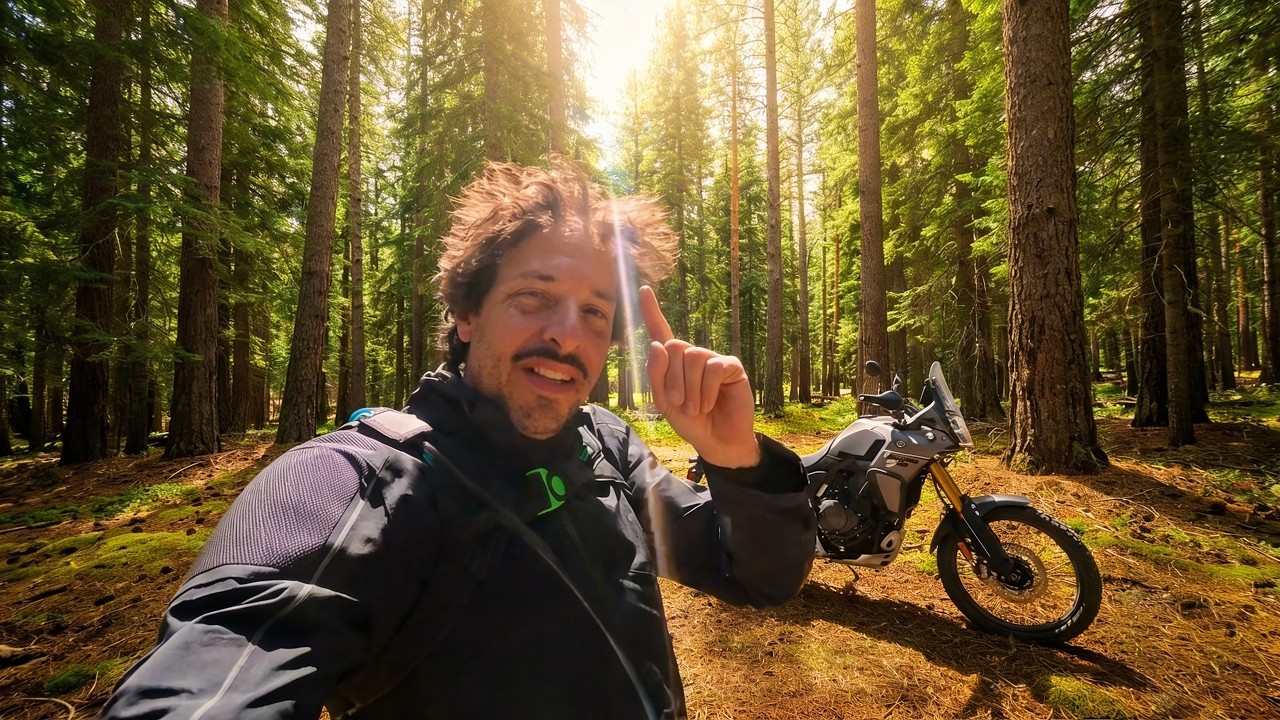
The Yamaha Ténéré 700 counters with its beloved 689cc CP2 parallel-twin engine. Making right around 70 horsepower, it is clearly outmatched by the BMW in top-end speed. However, don’t count the Yamaha out just yet. The CP2 powerplant is famous for its incredible, tractor-like low-end torque. Off the line and in technical rock sections, the Ténéré gives you instantaneous, predictable grunt that makes it incredibly easy to manage in the dirt. The only downside? That charismatic CP2 engine proves surprisingly thirsty at the pump, drawing a near-equal fuel bill to the larger-capacity BMW.
For raw highway passing power and premium smoothness, the BMW earns the nod. For low-speed technical tractability, the Yamaha remains a masterclass.
Suspension and Handling: A Tale of Two Geometries
When it comes to absorbing the rough stuff, both bikes feature premium, long-travel inverted front forks and robust rear setups, but their configurations alter the ride character significantly.
The BMW F900GS utilizes an adjustable Showa front fork paired with a direct-mount rear shock connected directly between the frame and swingarm. BMW has masterfully dialed in this chassis. Despite running a 21-inch front and a slightly wider, more street-traditional 17-inch rear wheel combo, the F900GS handles remarkably well. That 17-inch rear provides a thicker tire sidewall, giving you a bit more “squish” and compliance when you smash into square-edged bumps.
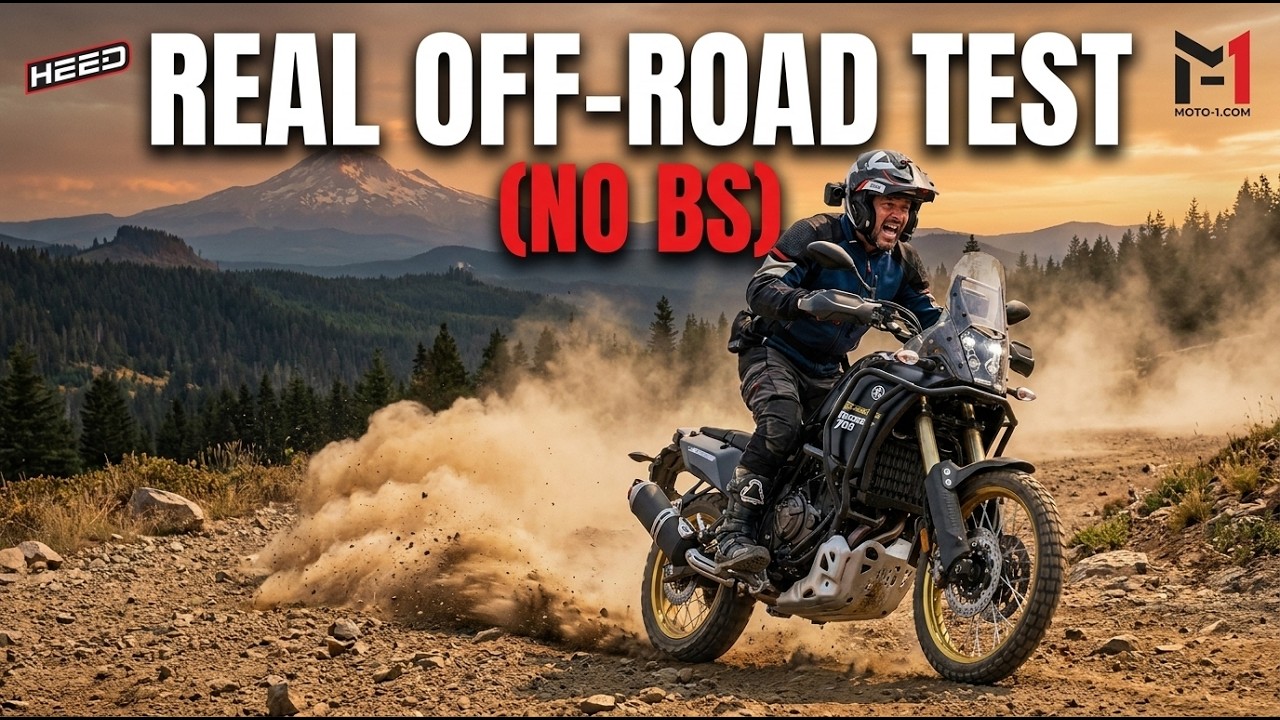
The Yamaha Ténéré 700 leans fully into its dirt bike heritage, rolling on a proper off-road standard 21-inch front and 18-inch rear wheel set. Yamaha equips the Ténéré with a KYB front fork and a vertically mounted rear shock utilizing a progressive linkage system. While the BMW’s front fork feels slightly more refined, the Yamaha’s linkage-driven rear shock outclasses the BMW’s direct-mount setup over undulating terrain, keeping the rear wheel glued to the dirt.
Ergonomics and Comfort: Cocoon vs. Cockpit
If you’re a shorter rider, or someone who prioritizes road-going comfort, the BMW F900GS is highly accommodating. Its seat height is lower and more approachable, and the broad front fairing acts like an aerodynamic cocoon, shielding you from harsh highway winds. The midsection is slim, and the chunky footpegs and brake pedal feel robust underfoot.
The Ténéré 700, conversely, feels like a tall, narrow rally bike because it is one. The bodywork is incredibly slim, allowing you to easily grip the tank when standing up, but the taller seat height might intimidate shorter pilots. Its front fairing is narrow and rally-inspired, meaning it beats you up a bit more on long highway stretches away from the elements.
Electronics: High-Tech vs. High-Definition Simplicity
The cockpit is where these two bikes sit worlds apart. The Yamaha Ténéré 700 has received a major modern upgrade with a new, vertically mounted 6.3-inch color TFT display. It features ride-by-wire throttle, traction control, and a beautifully simple, oversized physical button to instantly disable ABS for off-road riding. The switchgear is chunky and modern, though we do wish it was backlit.
The BMW F900GS responds by throwing the entire technology catalog at the rider. It comes standard with a gorgeous 6.5-inch horizontal TFT color display, customizable global power modes, cruise control, and heated grips. Everything is operated via BMW’s iconic multi-wheel rotatable controller on the left handlebar. While the multi-wheel architecture has been around for a while, it remains incredibly functional—even if Yamaha’s newer switchgear looks a bit slicker.
The Verdict
At nearly $20,000 fully loaded, the BMW F900GS is a premium, do-it-all weapon. It is smoother, faster, more comfortable on the highway, and packed with electronic luxuries.
At just over $12,000, the Yamaha Ténéré 700 represents the ultimate value in adventure riding. It trades electronic cruise control and horsepower for a lightweight, nimble dirt-bike-centric feel that thrives the moment the pavement ends.
Technical Specifications: 2025 BMW F900GS vs. 2025 Yamaha Ténéré 700
| Specification | 2025 BMW F900GS | 2025 Yamaha Ténéré 700 |
| Engine Type | Liquid-cooled, DOHC, parallel-twin | Liquid-cooled, DOHC, CP2 inline-twin |
| Displacement | 895 cc | 689 cc |
| Horsepower | ~105 hp | ~70 hp |
| Fuel System | Electronic Fuel Injection | Fuel Injection with YCC-T |
| Transmission | 6-speed, chain final drive | 6-speed, chain final drive |
| Front Suspension | 43mm adjustable Showa USD fork | 43mm fully-adjustable KYB USD fork |
| Rear Suspension | Direct-mount single shock | Linkage-type KYB shock w/ remote preload |
| Wheels (Front/Rear) | 21-inch / 17-inch cross-spoke | 21-inch / 18-inch spoked |
| Fuel Capacity | 3.8 gal. | 4.2 gal. |
| Seat Height | Adjustable (approx. 34.3 in. base) | 34.4 in. |
| Curb Weight | 482 lbs. (wet) | 459 lbs. (wet) |
| U.S. MSRP | Starting at ~$13,495 (as tested ~$20,000) | Starting at ~$12,500 |
| U.S. Warranty | 3 years / 36,000 miles | 1 year limited factory warranty |