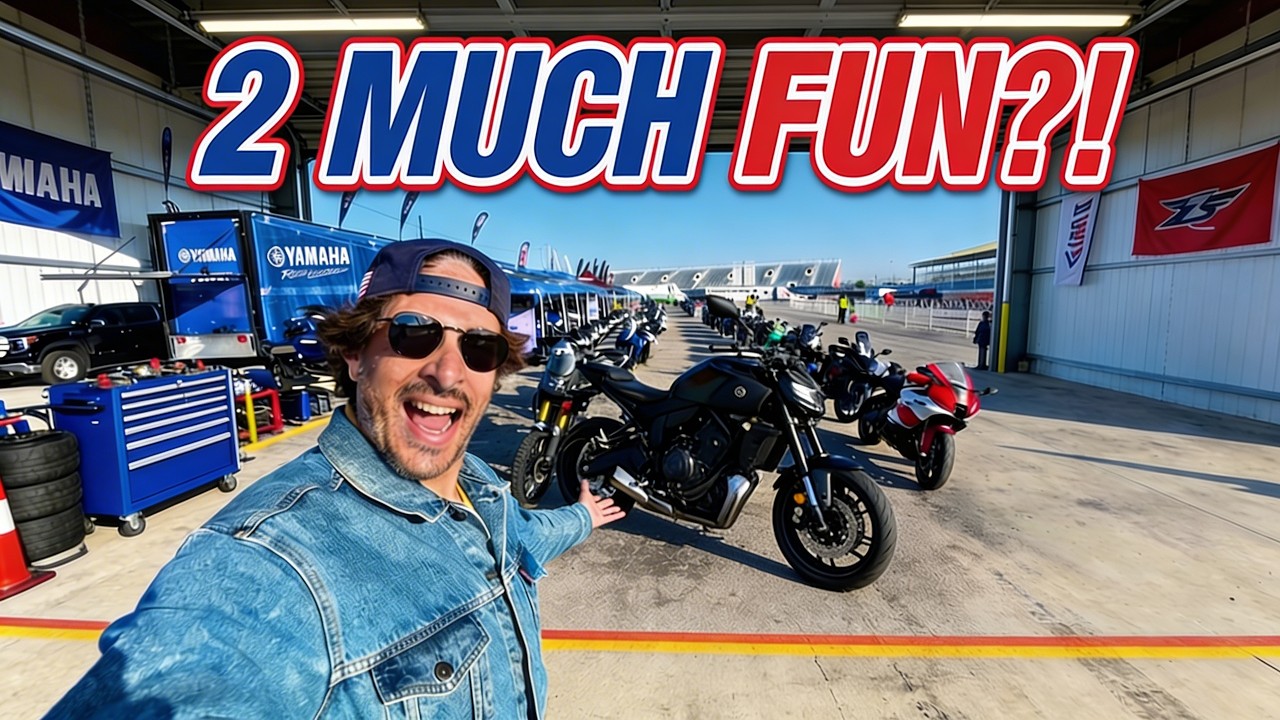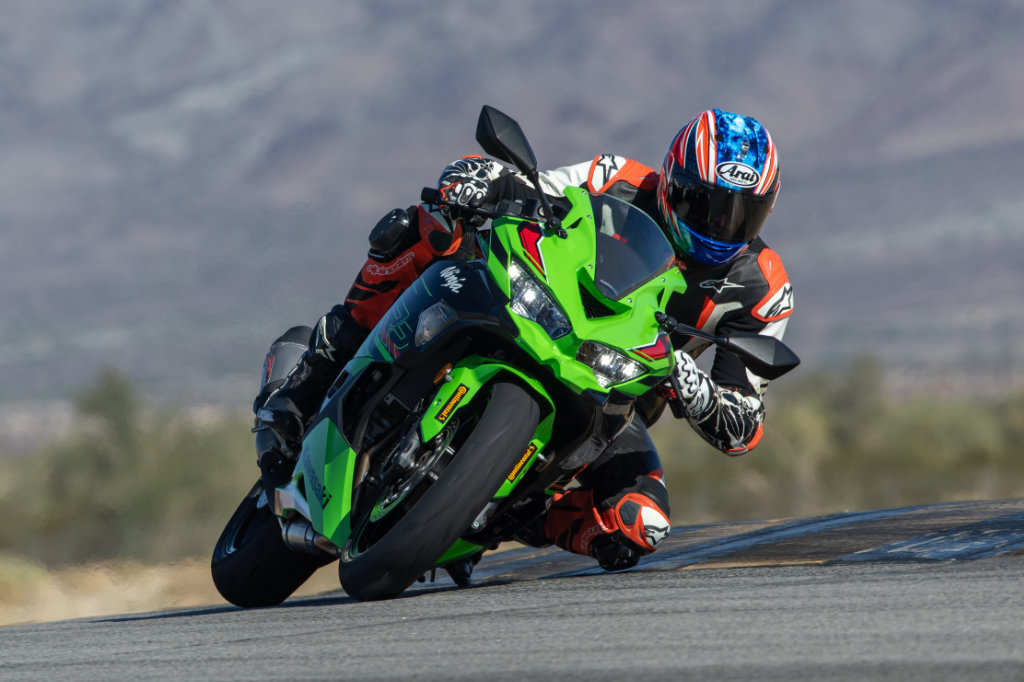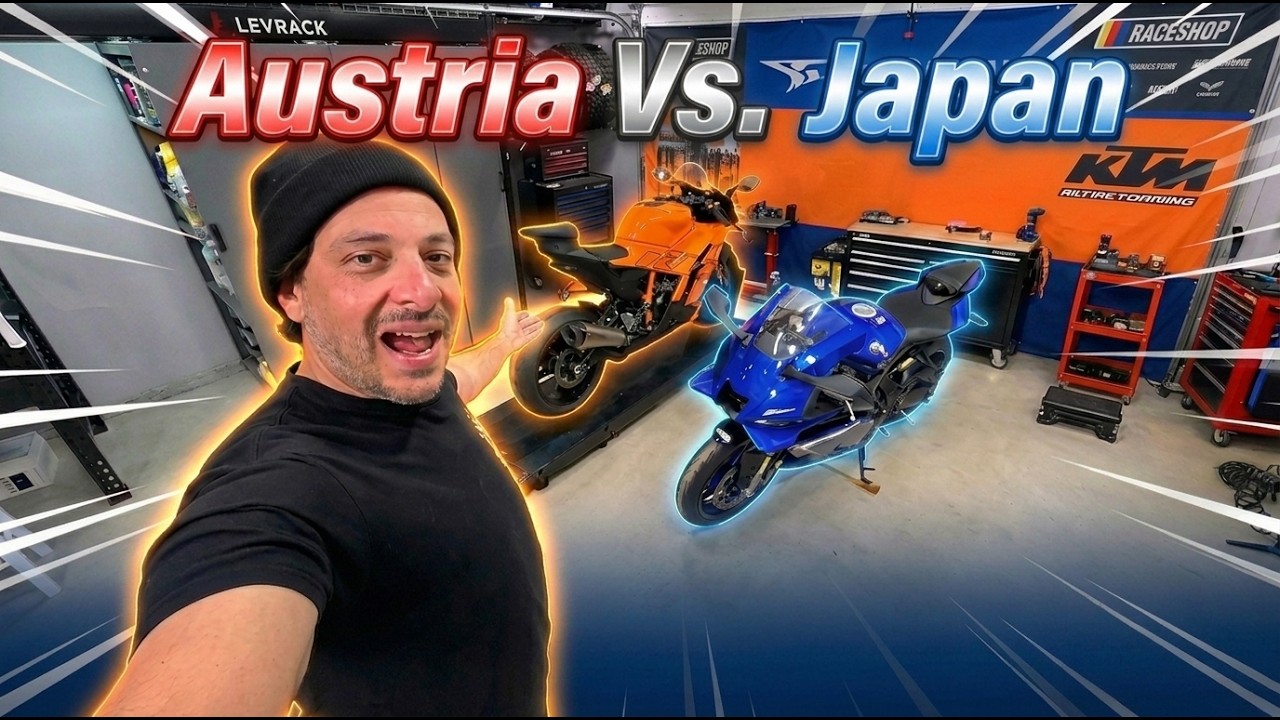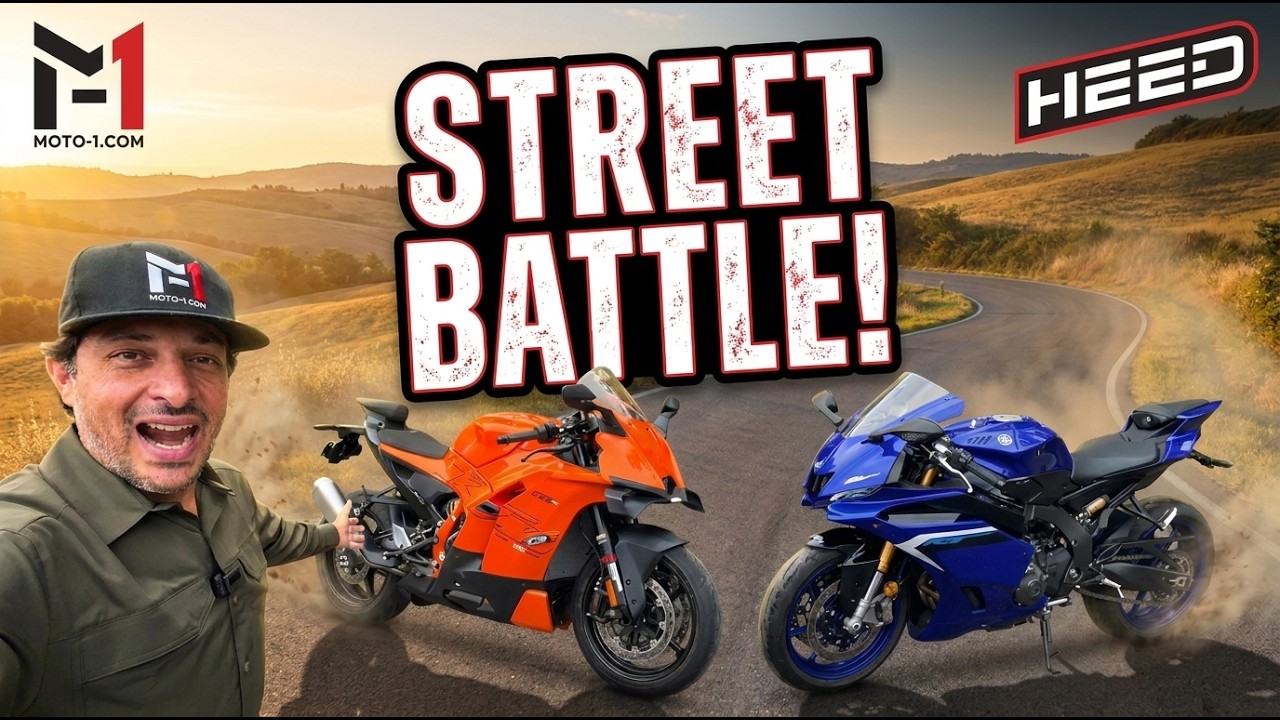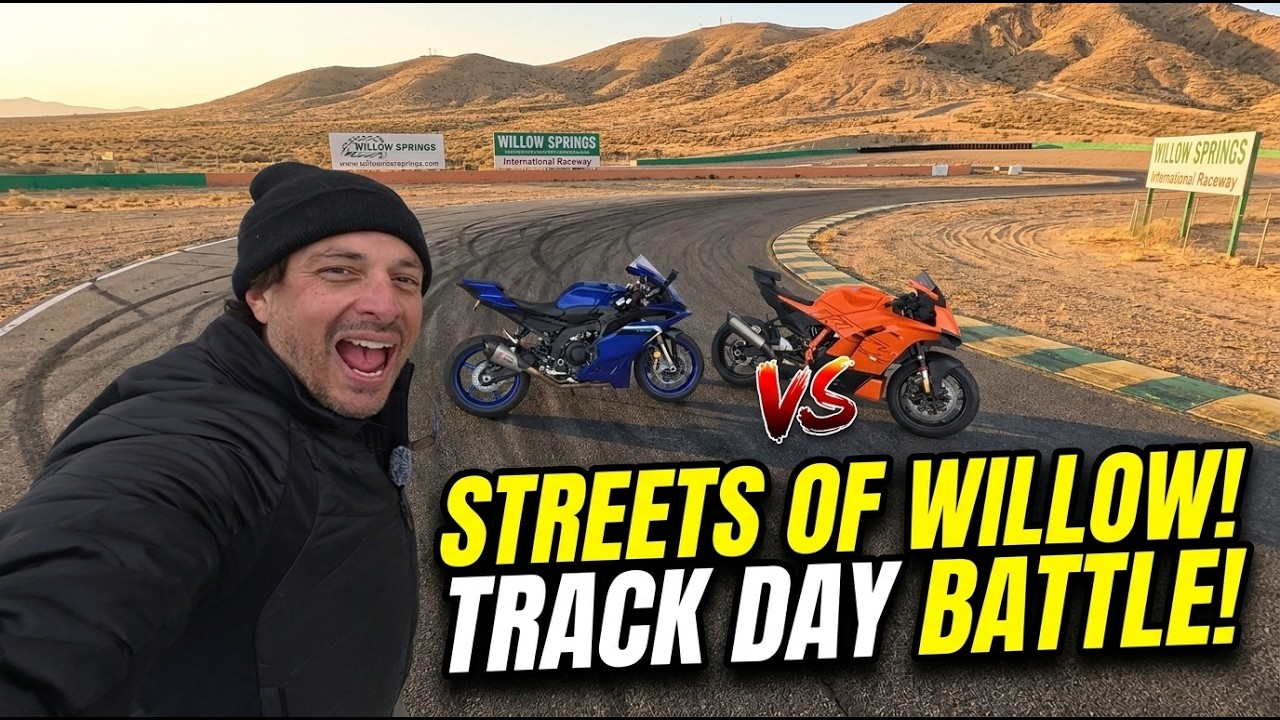
The high-desert wind is howling across the tarmac at the legendary Streets of Willow Springs in Southern California, but the real storm is brewing right here in the pit lane. It is an old-fashioned, cross-continental showdown of “plus-sized middleweight” sportbikes.
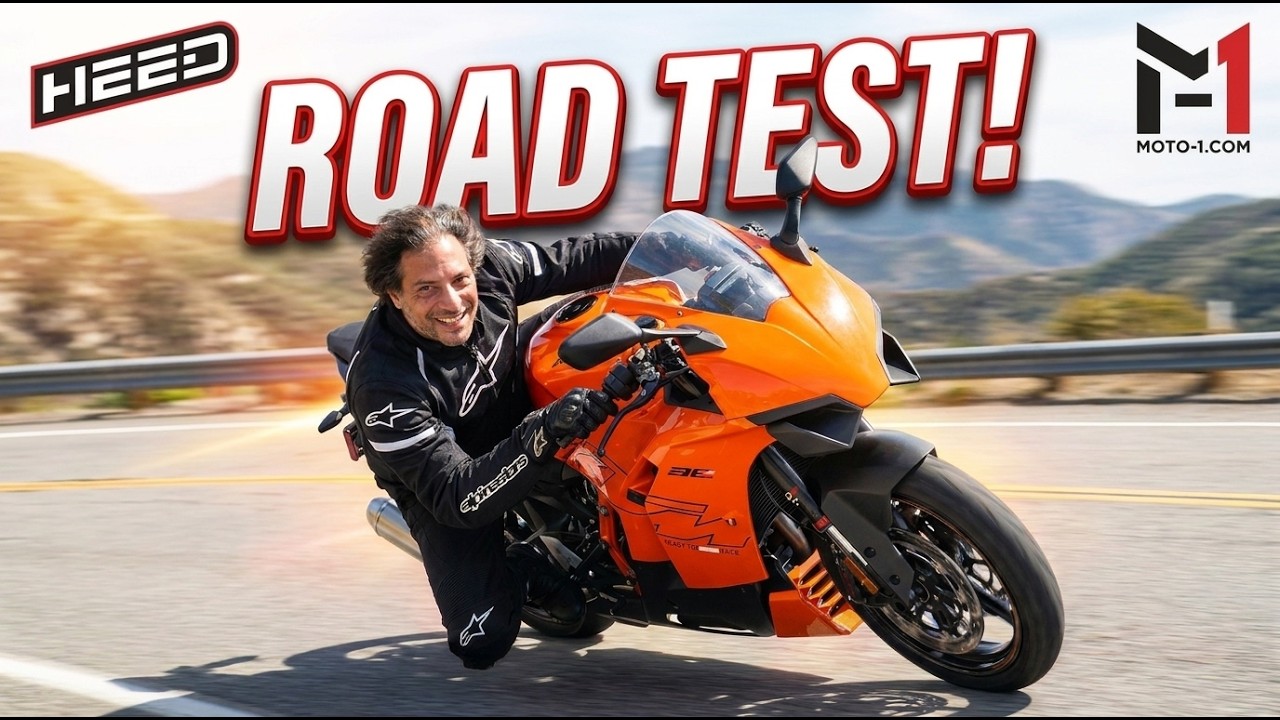
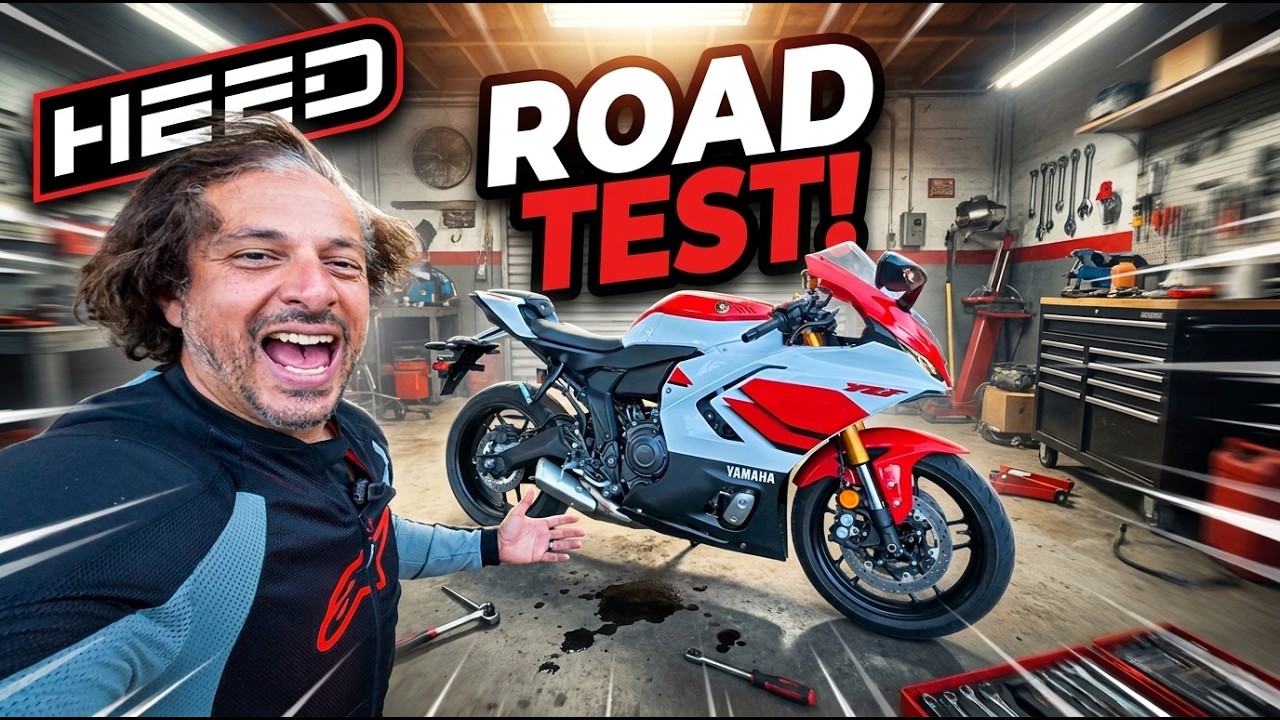
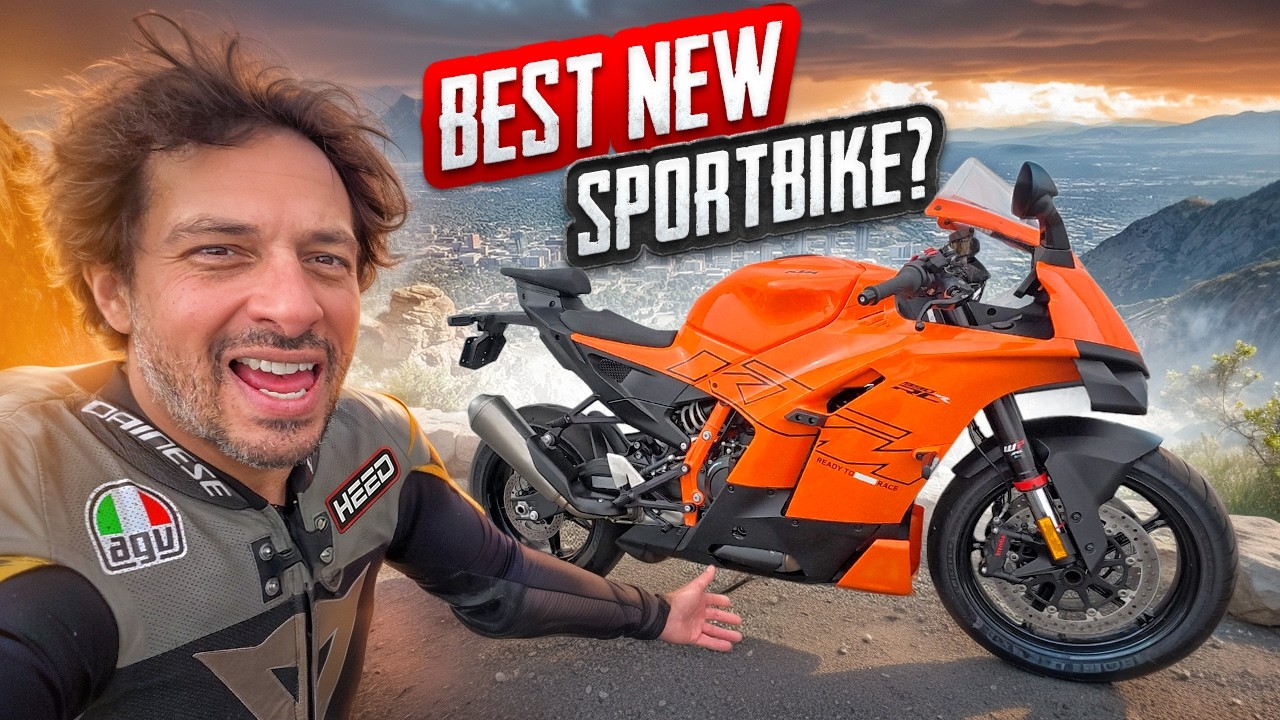
In the blue corner, we have the highly anticipated 2025 Yamaha YZF-R9. In the orange corner, the fierce 2026 KTM RC 990 R. With different engine configurations, wildly divergent ergonomics, and unique approaches to conquering a racetrack, it is a battle for apex supremacy.
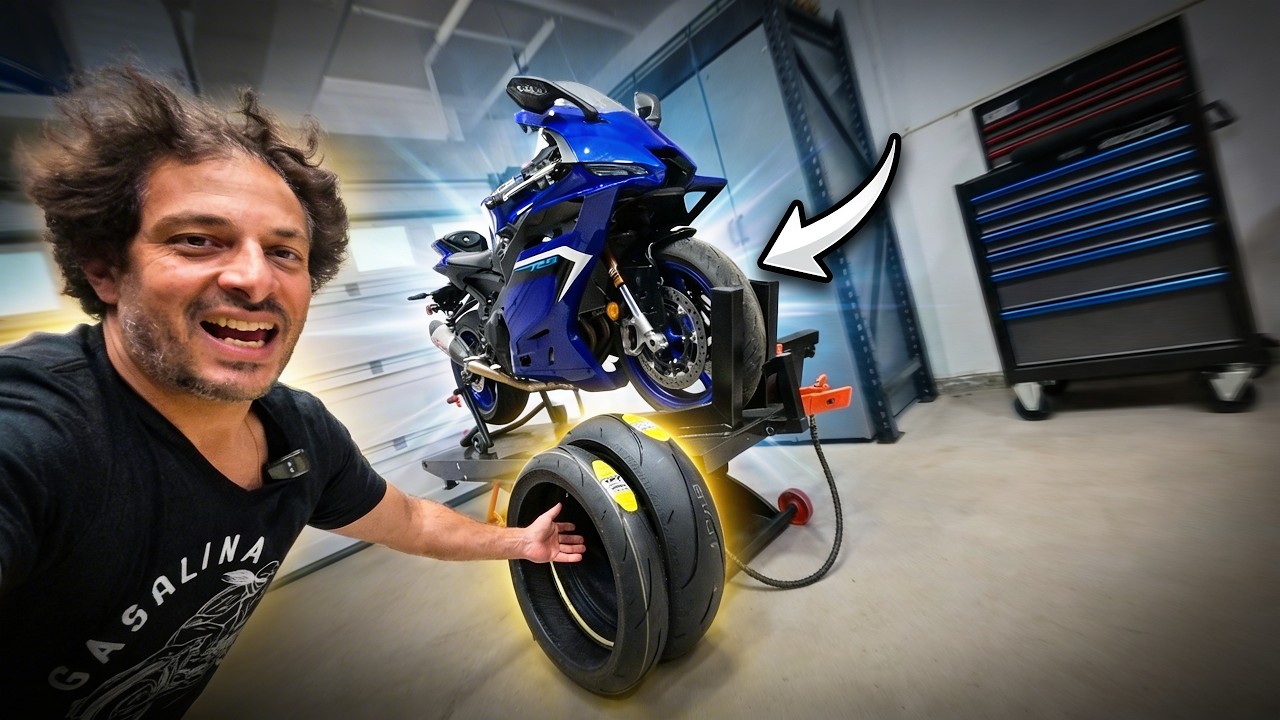
To keep the playing field as level and realistic as possible for the average track day enthusiast, both machines were treated to a few choice upgrades. The bone-stock rubber was tossed aside for high-performance street tires. The Yamaha rolled out on aggressive Dunlop Sportmax Q5 and Q5S tires, while the KTM was shod in Continental Sport Attack 5 rubber, an upgrade previously explored in a Continental Sport Attack 5 Review.
Both bikes also shed their bulky, street-legal exhausts in favor of closed-course racing systems to let their respective powerplants sing. The Yamaha barked through a $1,300 Yoshimura AT2 full racing exhaust, which dropped a hefty 10 pounds from the chassis. The KTM retaliated with a premium, $2,500 titanium Akrapovič factory accessory full system.
With the sound testing complete and both systems absolutely screaming, it was time to join the grid at the Compact Octane track day and let these machines eat.
Ergonomics and Cockpit Feel: Intimate vs. Commanding
Swinging a leg over the two contenders immediately highlights a massive philosophical divide in engineering. Sitting on the KTM RC 990 R feels shockingly nostalgic—it is a carbon copy of the classic, low-slung ergonomics found on the old KTM RC8R superbike. You sit deeply in the machine rather than on top of it. While the clip-on handlebars are positioned relatively high, they feature a wide, aggressive sweep that provides an incredibly modern superbike feel. Combined with an ultra-slim midsection and a massive, tall-rider-friendly front windscreen bubble, the KTM offers a highly accommodating package for a six-foot, 190-pound frame.
The Yamaha YZF-R9 feels like a traditional, contemporary sport bike. The clip-ons are offset beautifully outward to deliver a commanding posture, but you are perched noticeably higher on the seat. The midsection is also wider than the narrow KTM, forcing a slightly broader leg stance. While the R9 accommodates a larger rider perfectly well, it simply cannot match the bespoke, shrink-wrapped race feel that the Austrian bike delivers out of the box.
Powertrain: The Parallel Twin Stomp vs. The Slow-Revving Triple
If you think an extra cylinder guarantees more punch, the racetrack will quickly correct you. The KTM’s 947cc parallel-twin engine is an absolute firecracker. Blessed with a displacement advantage, the Austrian twin delivers an immense wave of torque right off the corner and relentlessly pulls all the way up to a high, screaming rev ceiling. The Akrapovič titanium exhaust genuinely lights a fire under this machine, giving it a frantic, eager-to-rev personality. There is a bit of mechanical vibration through the clips, but it is exactly the kind of tactile feedback that makes a fast lap feel thrilling.
The Yamaha’s celebrated 890cc CP3 inline-triple engine is a masterclass in linear, smooth delivery, but on the track, it feels surprisingly lazy compared to the KTM. The powerband is flat and predictable, pushing out around 107 to 108 horsepower, but it noticeably trails off at high RPM. Compounding the issue is Yamaha’s factory tuning restriction in second gear, which saps the bike’s drive out of tight bends. To match the KTM’s ferocious exit speed, owners will undoubtedly need an aftermarket ECU reflash to unlock the true potential of the triple.
Gearing also separates the two. The KTM uses remarkably short ratios, meaning you will work the electronic quickshifter heavily, dancing through the gearbox to keep it in the meat of the power. The Yamaha utilizes much taller gearing; corners that require third gear on the KTM are easily handled in second gear on the R9.
Handling, Suspension, and Braking at the Limit
When the track turns twisty, the KTM RC 990 R asserts itself as the definitive apex hunter. Despite having nearly identical curb weights, the narrow KTM changes direction with an effortless agility that makes the Yamaha feel a step slower. It tips into corners beautifully and carves a line with absolute precision.
The suspension setups tell a similar story. The KTM’s heavy-duty 48mm front fork provides a beautifully taut chassis feel. It is never harsh or rigid over the numerous bumps at Willow Springs, but it remains incredibly composed under load. The Yamaha’s KYB hardware offers a plush, compliant ride that handles pavement imperfections beautifully, but it lacks that definitive edge of track-focused tautness, resulting in a chassis that feels slightly more “spongy” when pushed to ten-tenths.
Stopping power follows the same script. The Yamaha’s Brembo front master cylinder and calipers shed speed effectively, but the KTM elevates the game with a ratio-adjustable Brembo master cylinder. Squeezing the front brake on the KTM yields instant, razor-sharp bite and unmatched lever feel. Both machines feature advanced, IMU-supported cornering electronics and allow riders to manually disable rear ABS for track-style backing into corners.
When it comes to adjusting those electronics on the fly, the KTM’s vibrant touchscreen TFT makes toggling traction and slip control an absolute breeze via backlit switchgear. The Yamaha relies on a more traditional, non-backlit toggle layout that, while logical, feels decidedly old-school.
The Verdict: Who Rules the Track?
While the Yamaha YZF-R9 is an incredibly capable, smooth, and user-friendly machine that will likely dominate our upcoming street comparison, the track day crown firmly belongs to Austria.
The KTM RC 990 R is simply a more track-oriented weapon right out of the box. For the extra financial premium, it rewards you with telepathic handling, superior braking adjustments, better tall-rider ergonomics, and a punchy, torque-rich engine that begs to be thrashed. If track days are your sanctuary, the orange bike is the one you want sitting in your garage.
Technical Specifications and Price
| Feature | 2026 KTM RC 990 R | 2025 Yamaha YZF-R9 |
| Engine Type | 947cc liquid-cooled parallel-twin | 890cc liquid-cooled inline 3-cylinder |
| Valve Train | DOHC, 8 valves | DOHC, 12 valves |
| Est. Horsepower | 110+ hp | 107–108 hp |
| Front Fork | 48mm adjustable USD | 43mm adjustable KYB USD |
| Brakes | Brembo calipers / Adj. Master Cylinder | Brembo calipers & Master Cylinder |
| U.S. MSRP (Base) | $14,000 | $12,500 |
| U.S. Warranty | 2-Year Factory Warranty | 1-Year Limited Factory Warranty |