Instant Torque Meets Daily Rides
The landscape of two-wheeled commuting is undergoing a quiet rotation—literally. The familiar sound of internal combustion engines, exhaust pulses, and rev-matched downshifts is sharing the tarmac with direct-drive electric motors delivering instantaneous peak torque from zero RPM.
Whether you are navigating clogged city arterials or carving up twisty canyon roads, street-legal electric motorcycles have transitioned from niche technology experiments into daily-driven options. Manufacturers like Can-Am and Harley-Davidson are delivering refined chassis setups, liquid-cooled battery packs, and rapid Level 2 charging capabilities designed for real-world riders.
1. What Makes an Electric Motorcycle Street-Legal?
To legally operate an electric motorcycle on public roads and highways, vehicles must meet Federal Motor Vehicle Safety Standards (FMVSS) and local Department of Motor Vehicles (DMV) registration requirements:
- Lighting Systems: DOT-compliant LED headlight, taillight, brake light, and directional turn signals.
- Safety & Control Equipment: Rearview mirrors, dual brake control systems (often paired with multi-stage ABS), and horn.
- Vehicle Identification: A standard 17-digit VIN plate and DOT-rated street tires.
- Licensure & Tagging: Standard Class M motorcycle endorsement and state license plate registration.
Rider Note: Lightweight electric pit bikes or off-road e-motos lacking headlights, turn signals, or VIN plates remain non-street-legal off-road vehicles. Always verify VIN compliance prior to highway operation.
2. Key Performance Metrics: Torque, Battery Capacity, & Range
Performance Breakdown: Electric vs. Gas
| Feature | Street Electric Moto | Traditional Gas Moto |
| Torque Delivery | Instant (0 RPM) | RPM-dependent Powerband |
| Transmission | Single-Speed Direct Drive | Multi-Speed Clutch & Gear |
| Routine Maintenance | Belt/Chain, Tires, Brakes | Oil, Valves, Coolant, Spark Plugs |
| Primary Usage Focus | Urban / Regional Commute | Unlimited Long Distance |
When evaluating a street-legal electric bike, technical specifications focus on kilowatt-hours (kWh) and charging architecture rather than engine displacement:
Instant Torque and Direct Drive
Unlike internal combustion engines requiring gear changes to stay within a powerband, electric motors produce maximum torque instantly. Power reaches the rear wheel via a single-speed direct drive or belt, delivering seamless, twist-and-go acceleration without a clutch lever.
Real-World Battery Range Factors
Manufacturer claims often highlight city range numbers derived from low-speed urban testing. High-speed highway riding increases aerodynamic drag, reducing overall range:
- Urban Commuting (25–45 mph): High efficiency with regenerative braking energy recovery.
- Highway Cruising (65–80 mph): Higher energy consumption per mile; expect a 30% to 45% reduction in total usable range compared to city estimates.
3. Charging Infrastructure Explained
Charging Level Comparison
| Level | Power Source | Average Charge Time | Typical Location |
| Level 1 | Standard 120V Outlet | 6 – 12 Hours (Overnight) | Home Garage |
| Level 2 | 240V J1772 Connector | 1 – 3 Hours | Work / Public Hubs |
| Level 3 | DC Fast Charge (CCS) | 30 – 45 Minutes (0-80%) | Highway Plazas |
Understanding how your motorcycle replenishes its energy determines how seamlessly it fits into your daily routine:
- Level 1 (Household Wall Outlet): Ideal for overnight charging at home. Plugs into any standard 120V wall receptacle.
- Level 2 (J1772 Public Charging): Doubles or triples charging speeds, making it feasible to top off battery levels while at work or grabbing lunch.
- DC Fast Charging (DCFC): Available on select high-performance models, allowing rapid high-voltage charging for extended road trips.
4. Top Street-Legal Electric Models and Real-World Testing
Whether you want a lightweight city commuter or a hyper-naked performance machine, current options cover every riding style:
- Urban Commuters: Lightweight models like the Can-Am Pulse Urban Road Test focus on agile handling, integrated storage, and accessible seat heights tailored for daily city navigation.
- Dual-Sport & E-Moto: Machines bridging the gap between lightweight trails and street usability, such as the Zero Motorcycles XB and XE EMoto Reviews, offer minimal curb weight alongside nimble road manners.
- High-Performance Naked & Sportbikes: Premium options deliver sportbike-level acceleration, high-spec suspension components, and advanced electronic rider aids.
For real-world riding impressions and in-depth performance tests of high-end sportbikes and commuters, check out our Moto-1 Motorcycle Reviews Section
5. Maintenance and Cost of Ownership
Electric motorcycles eliminate many traditional mechanical service items:
- No Fuel, Oil, or Filter Changes: Eliminates routine fluid drains and internal engine maintenance.
- Extended Brake Life: Regenerative braking systems handle a significant portion of deceleration, capturing kinetic energy while reducing wear on physical brake pads.
- Key Maintenance Items: Regular care focuses on tire pressure, drive belt or chain tension, brake fluid flushes, and suspension setup.
-
2025 Can-Am Pulse Urban Road Test
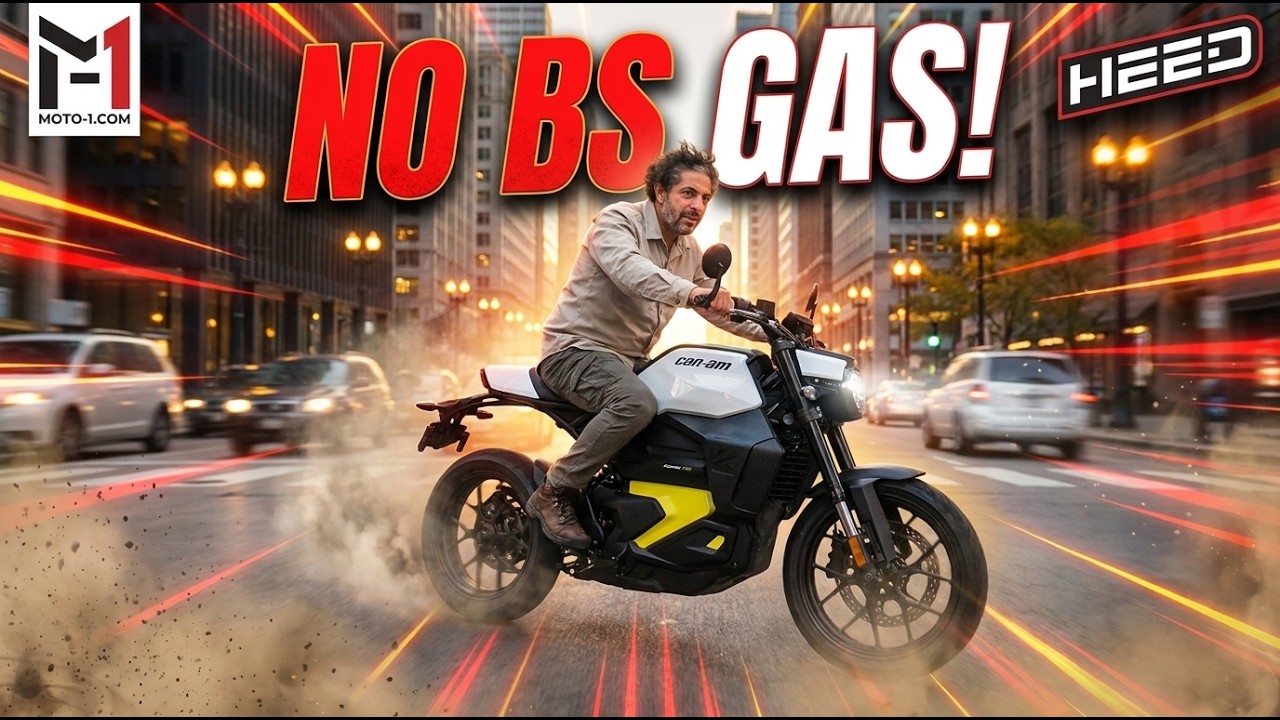
A real urban test of the 2025 Can-Am Pulse electric street bike.
-
2025 Can-Am Pulse Garage Talk Review
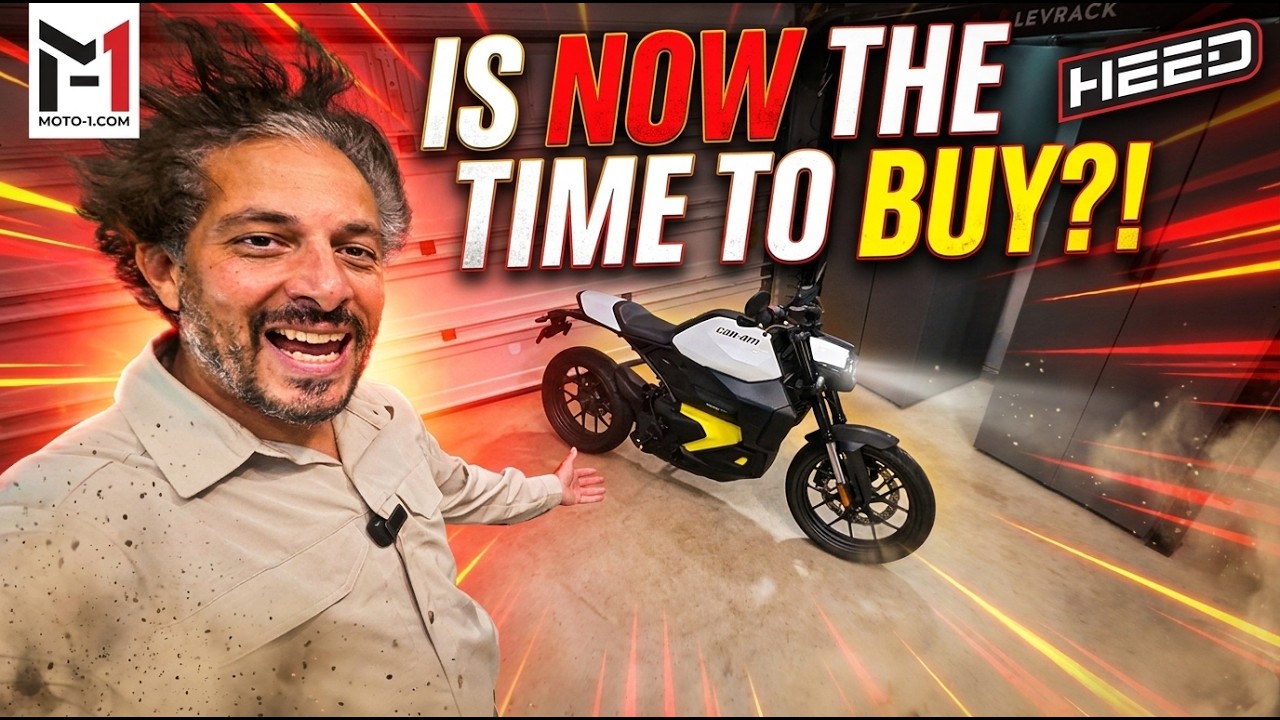
Can-Am Pulse: Electric Commuting Value Breakdown.
-
2026 Can-Am Origin Electric Dual-Sport Review
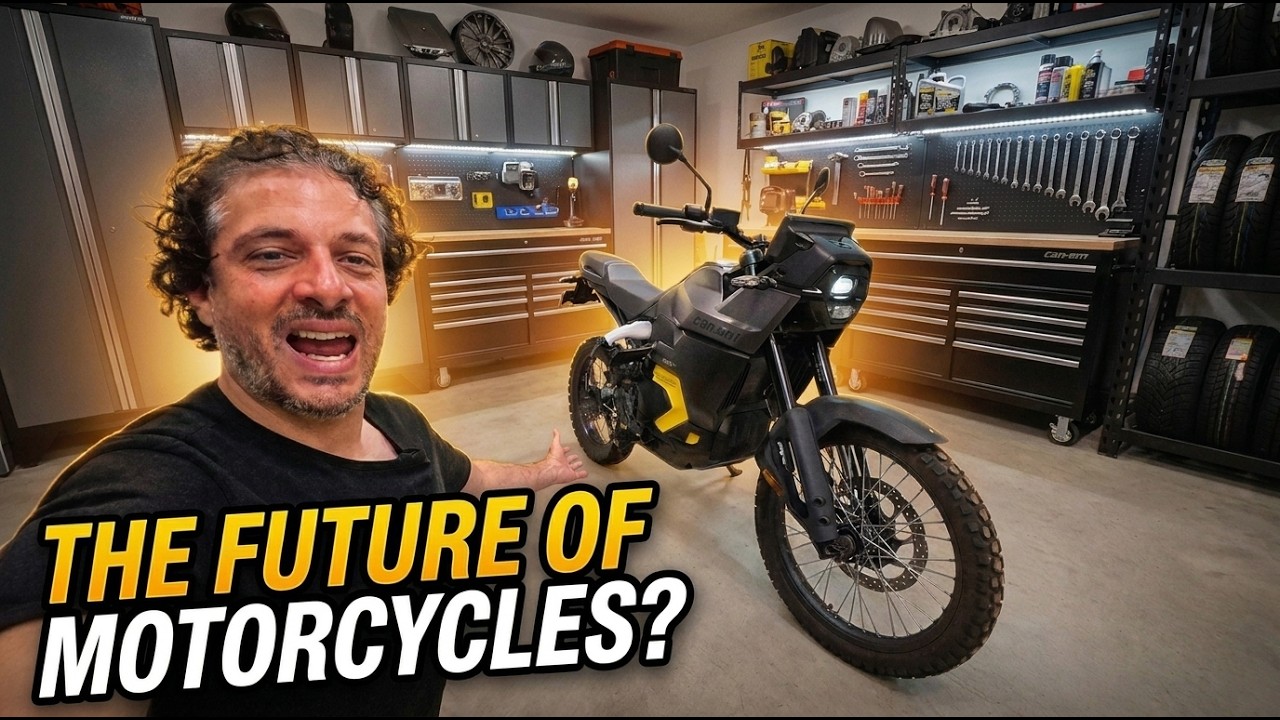
Go for a ride aboard Can-Am’s Origin electric bike.