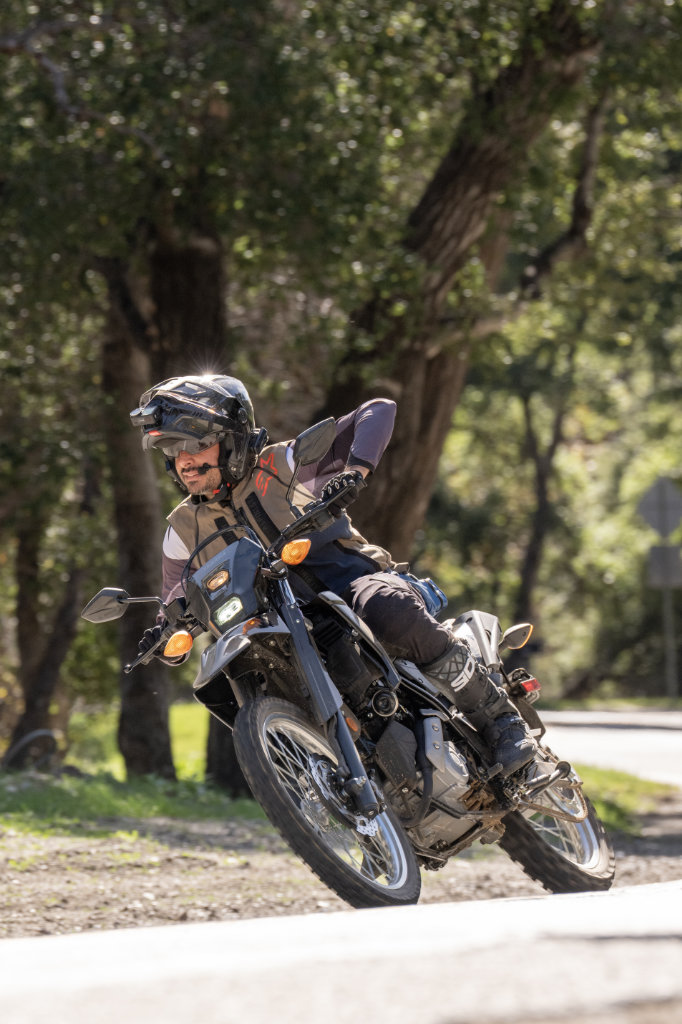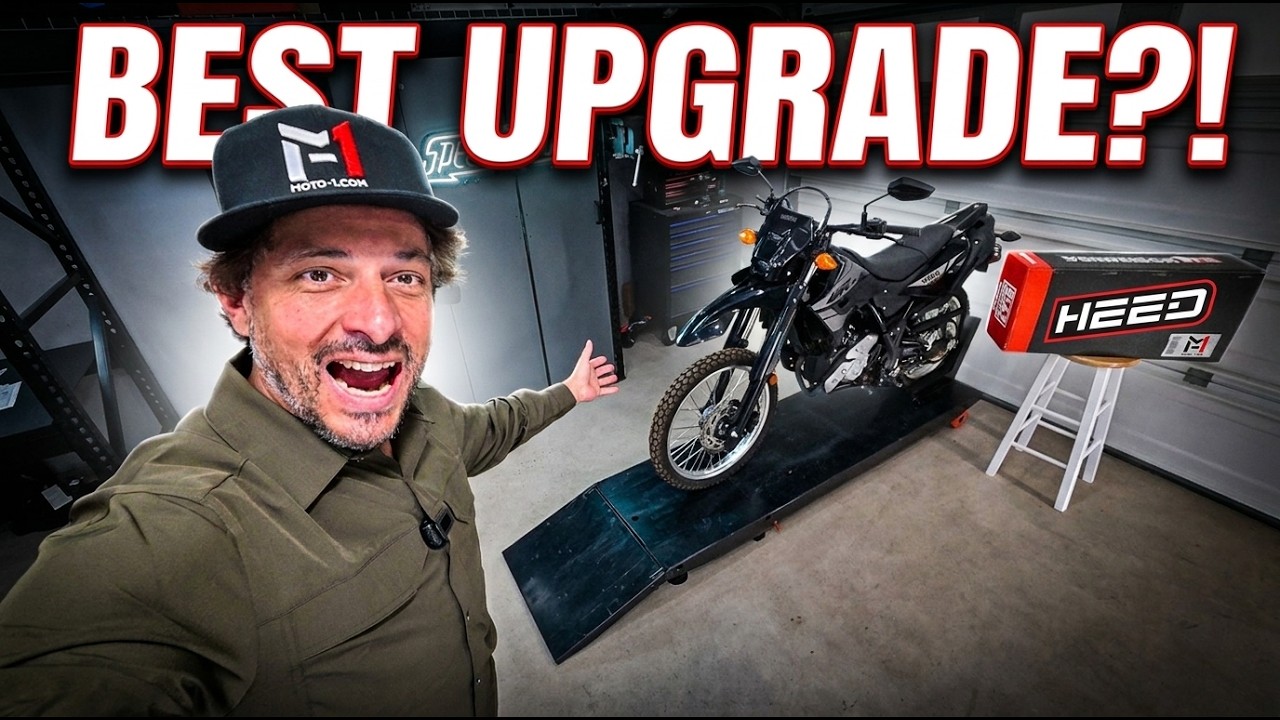

Yamaha’s 2026 WR125R is an absolute steal for anyone looking to dip their toes into the dual-sport world without taking out a second mortgage. Coming in at a thrifty $3,999, this street-legal, fuel-injected quarter-liter-adjacent thumper is a blast right off the showroom floor. But if you’re anything like us here at the garage, “stock” is just a polite word for “unfinished.”
When you’ve only got roughly 15 horsepower reaching the rear wheel, every fraction of a pony counts. Enter the Yoshimura RS-2 Full Exhaust System. Retailing at $650, this American-made piece of stainless-steel artwork promises to unleash a bit more grunt while dropping crucial trail weight.
Let’s dive into the install process, look at the dyno claims, and see why this full system upgrade is worth every penny of your wrenching time.
Why Upgrade to the Yoshimura RS-2 Exhaust?
Before grabbing the T-handles, let’s talk about the raw numbers. This stock Yamaha tips the scales at 304 pounds wet. While it carries that mass well, ditching the bulky factory exhaust system drops overall vehicle weight right down to 300 pounds.
More importantly, Yoshimura’s dyno work delivers a impressive 15% bump in horsepower alongside a 13% increase in torque. When your base output sits right at 15 horsepower at the rear tire, adding nearly two additional ponies translates to a seat-of-the-pants improvement on technical off-road climbs.
Note: The Yoshimura RS-2 full exhaust system is designed for off-road competition use only.
Step-by-Step Garage Installation Guide
Installing the RS-2 is a straightforward DIY project that requires basic hand tools. Here is how the step-by-step teardown and installation break down:
- Remove Bodywork and Seat: Remove the two main seat bolts, loosen the two left-side panel fasteners, and pull the three plastic guard plate bolts to clear working space around the subframe.
- Dismantle Factory Exhaust: Unbolt the stock muffler hanger. Next, remove the protective header guard to access and disconnect the stock O2 sensor. Finally, unbolt the factory header nuts at the cylinder head and carefully lift the heavy stock system away.
- Install Yoshimura Stainless Header: Slide the new Yoshimura header flange over the cylinder studs using the original OEM head gasket, finger-tightening the hardware to allow for alignment adjustments.
- Connect Mid-Pipe & Reinstall O2 Sensor: Fit the mid-pipe connection. Pro Tip: Pre-wind the O2 sensor cable counter-clockwise a few full turns before threading it into the new bung. As you screw it in clockwise, the wire uncoils cleanly without binding or fraying.
- Mount the RS-2 Muffler: Re-use the original factory heat shield onto the mid-pipe to protect your riding pants. Press the supplied rubber grommet into the muffler hanger, slip the muffler canister onto the mid-pipe, and secure it using Yoshimura’s included high-grade stainless fastener.
- Attach Springs & Wipe Down: Hook up the three race-spec retention springs with the logos facing outward for that factory works-bike look. Before firing up the engine, thoroughly wipe down all stainless steel surfaces with rubbing alcohol to eliminate hand oils and fingerprints, ensuring a uniform, golden patina when the exhaust heats up.
2026 Yamaha WR125R Technical Specifications
| Specification | Manufacturer Detail |
| Engine Type | 124.7cc Liquid-Cooled SOHC 4-Stroke Single, 4 Valves w/ VVA |
| Bore x Stroke | 52.0mm x 58.7mm |
| Fuel Delivery | Electronic Fuel Injection (EFI) |
| Transmission | 6-Speed, Constant Mesh; Chain Final Drive |
| Front Suspension | 41mm KYB Telescopic Fork; 8.5 in. Travel |
| Rear Suspension | KYB Linked-Type Monocross Single Shock; 7.3 in. Travel |
| Front / Rear Brakes | 267mm Single Disc (ABS) / 220mm Single Disc |
| Front / Rear Tires | 90/90-21 / 110/80-18 Dunlop D605 |
| Wet Weight (Stock) | 304 lbs |
| Fuel Capacity | 2.1 gal |
| U.S. MSRP | $3,999 |
| Factory Warranty | 1-Year Limited Factory Warranty |