The Parallel-Twin Prodigy Returns Better Than Ever
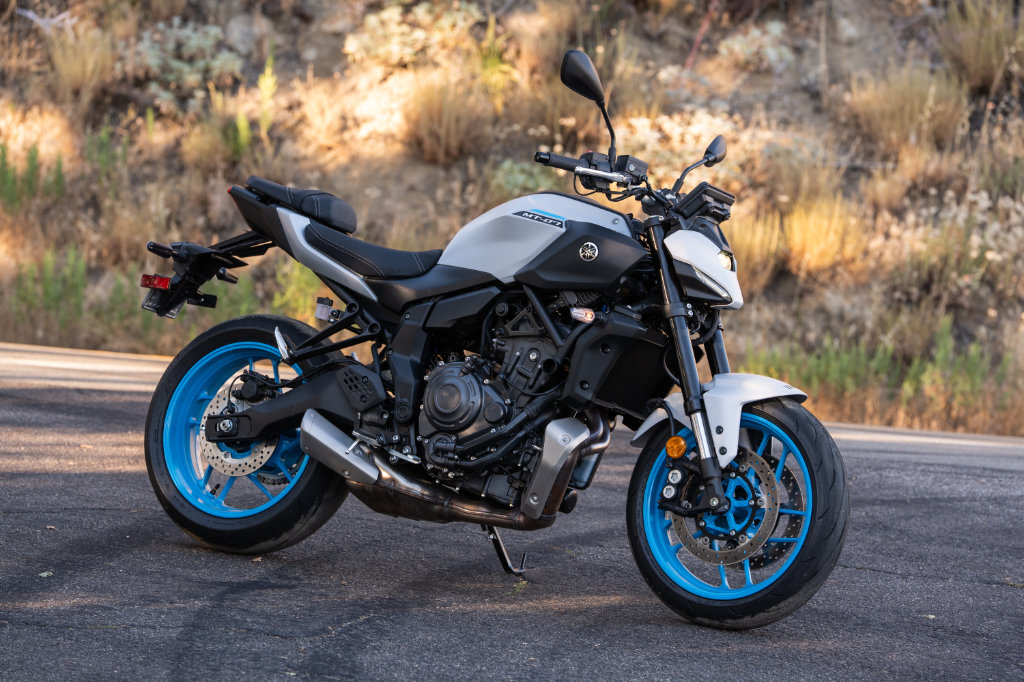
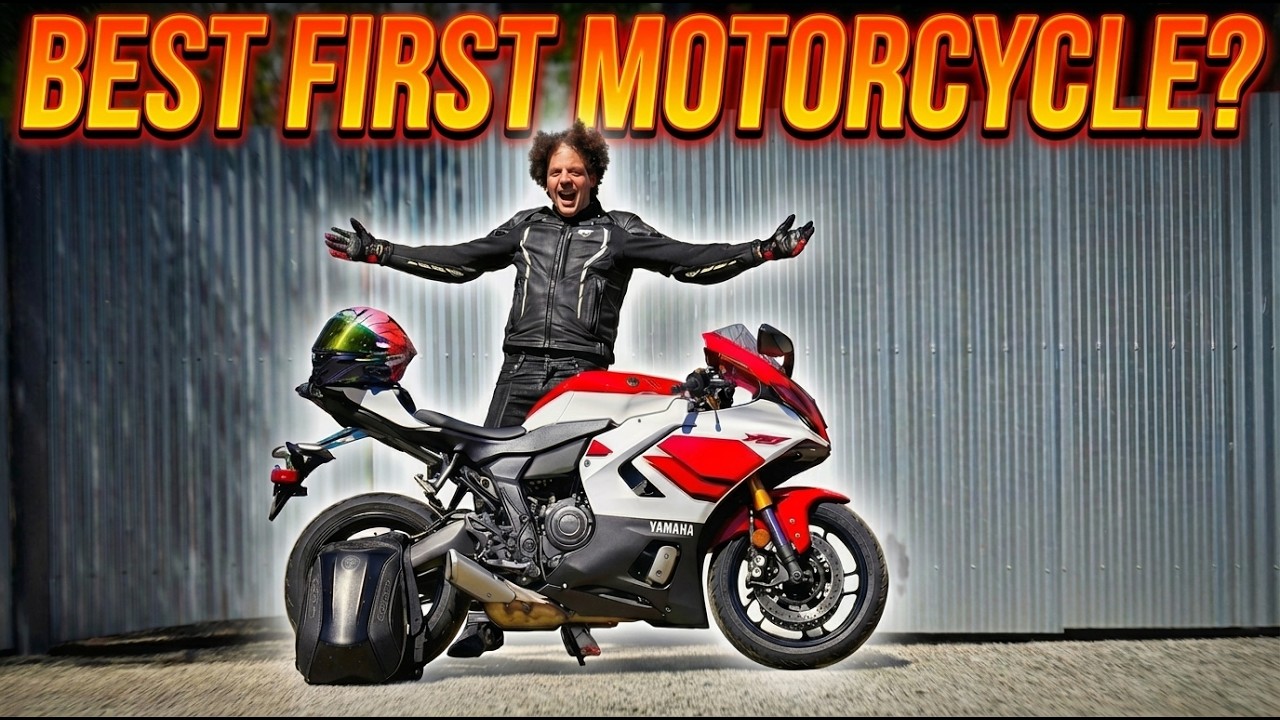
Yamaha has officially unleashed the second generation of its middleweight champion, and the 2026 YZF-R7 is proof that you don’t need four cylinders to have a world-class time on two wheels. Celebrating its 70th anniversary with a stunning livery that pays homage to the legendary 1998 OW-02, this new R7 isn’t just a pretty face in heritage colors—it’s a comprehensive mechanical and electronic evolution.
A Visual and Ergo Evolution
The first thing you’ll notice is the “tasty” new bodywork. Gone is the somewhat tucked-in look of the first gen, replaced by a flatter, more aggressive front end featuring sleek LED lighting. Look closely at the top clamp and fuel tank, and you’ll spot the signature YZR-M1 “fish gills,” a direct nod to Yamaha’s MotoGP prototype.
Related Content on Moto-1.com:
While the seat remains approachable for shorter riders, the cockpit feels “meatier” and more purposeful. However, be warned if you’ve been skipping leg day or happened to grow past six feet: the combination of high footpegs and a low seat creates a tight, racy triangle. It’s perfect for tucking in behind the surprisingly tall and effective windscreen, but taller riders might feel a bit squished during long stints.
The Heart of the Beast: CP2 Power
At the center of the frame sits the beloved 689cc CP2 parallel-twin engine. Yamaha’s crossplane crankshaft gives this twin a guttural, V-twin-like character that punches well above its weight class. On the dyno, we’re seeing a real-world 66 horsepower and 45 lb-ft of torque at the rear wheel. It’s a playful, torquey mill that’s equally happy lofting the front wheel in the first four gears as it is sipping fuel—averaging an impressive 48 MPG even at an “elevated” pace.
Ride-by-Wire and Tech Galore
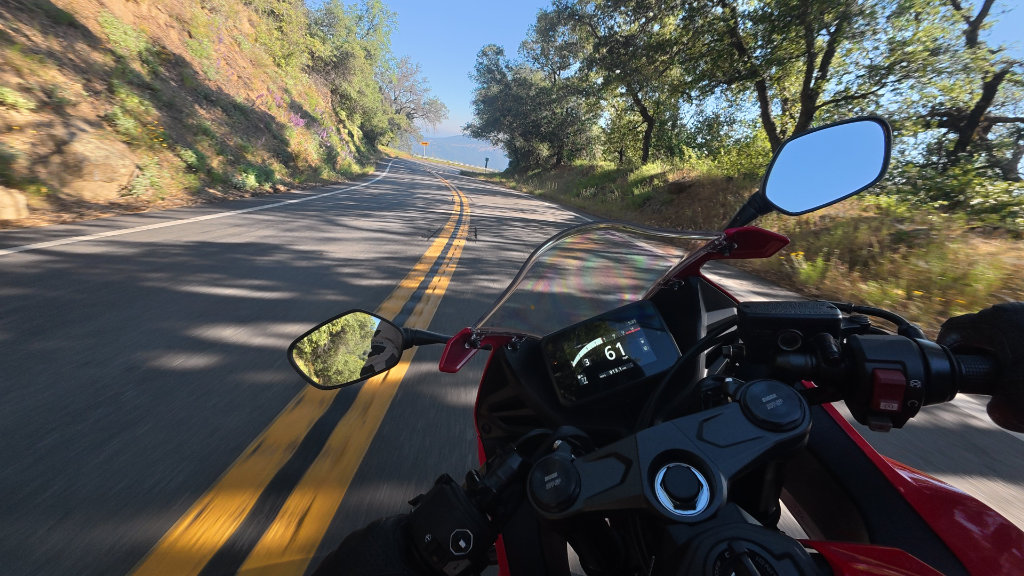
The biggest game-changer for 2026 is the introduction of ride-by-wire throttle. This digital upgrade unlocks a suite of electronics previously reserved for the YZF-R9 and R1:
- Adjustable Ride Modes: Choose between Sport, Street, Rain, or a fully customizable mode.
- Safety Net: Switchable traction control, slide control, and “Lift Control” (wheelie control) are now standard.
- The “Skid” Factor: For the first time, riders can disable the rear ABS via the crispy new color TFT dash, allowing for some old-school backing-it-in fun.
- Touring Touches: Believe it or not, this sub-$10k sportbike now features cruise control and a pit lane limiter.
Chassis and Handling
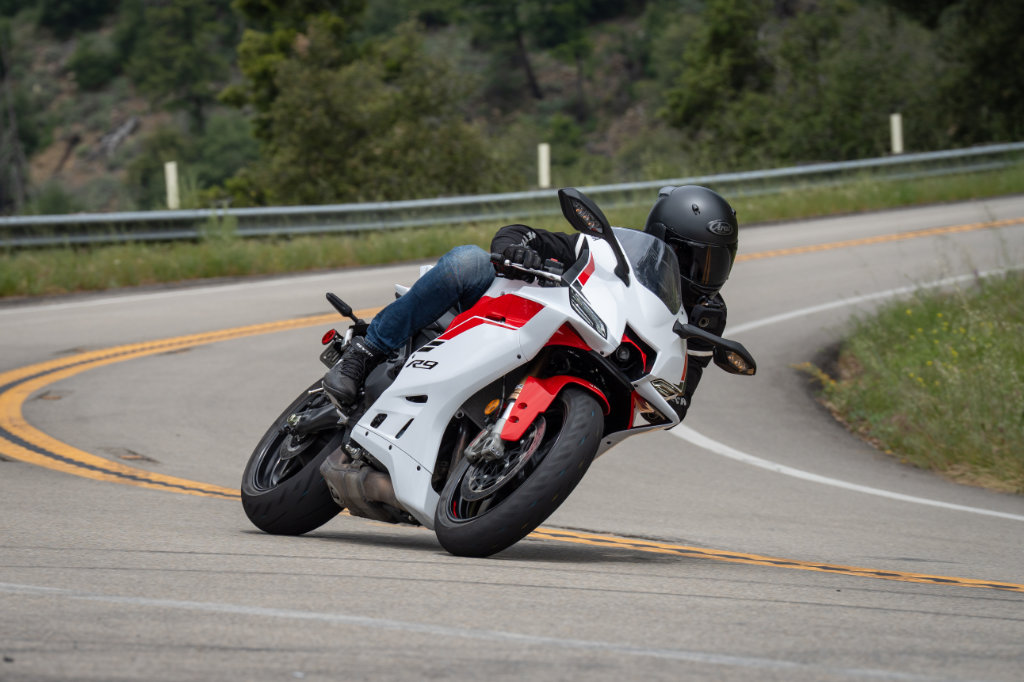
Yamaha stiffened the frame for 2026 and reworked the suspension internals. The inverted fork now features less spring rate but significantly more damping, while the rear linkage has been redesigned for a more supportive feel. On the road, the R7 offers a “plush” ride that absorbs bumps better than a dedicated sportbike like the ZX-6R, yet remains composed when you’re “whailing” through canyon curves on the standard Bridgestone Battlax S23 rubber.
Whether you’re a newer rider looking to skip the “starter bike” phase or a veteran wanting a lightweight, high-tech canyon carver that doesn’t break the bank, the 2026 YZF-R7 proves that Yamaha’s middleweight twin is no longer an afterthought—it’s the main event.
2026 Yamaha YZF-R7 Technical Specifications
| Feature | Specification |
| Engine Type | 689cc liquid-cooled, DOHC, 4-valve, parallel-twin; CP2 |
| Bore x Stroke | 80.0mm x 68.6mm |
| Horsepower | 66 hp (Rear Wheel Dyno) |
| Torque | 45 lb-ft (Rear Wheel Dyno) |
| Transmission | 6-speed; multiplate assist and slipper clutch; Quick Shifter enabled |
| Frame | High-tensile steel diamond-type |
| Front Suspension | 41mm inverted fork, fully adjustable; 5.1-in travel |
| Rear Suspension | Single shock, adjustable preload and rebound; 5.1-in travel |
| Brakes (Front/Rear) | Dual 298cc discs (Brembo Master) / 245mm disc; IMU-ABS |
| Curb Weight | 417 lbs (Full fuel) |
| Fuel Capacity | 3.7 gal |
| U.S. MSRP | $9,400 |
| Warranty | 1 Year (Limited Factory Warranty) |