Ditch the gas pump, keep the fun, mind the battery
Summary: The 2026 LiveWire S2 Alpinista ($12,999) is a comfortable, great-handling electric street bike with 194 lb-ft of torque that accelerates like a liter bike. On our 38-mile road test through city, highway and canyons, range was its weak spot. It’s perfect for rides of about 20 miles round trip, with Level 2 charging.
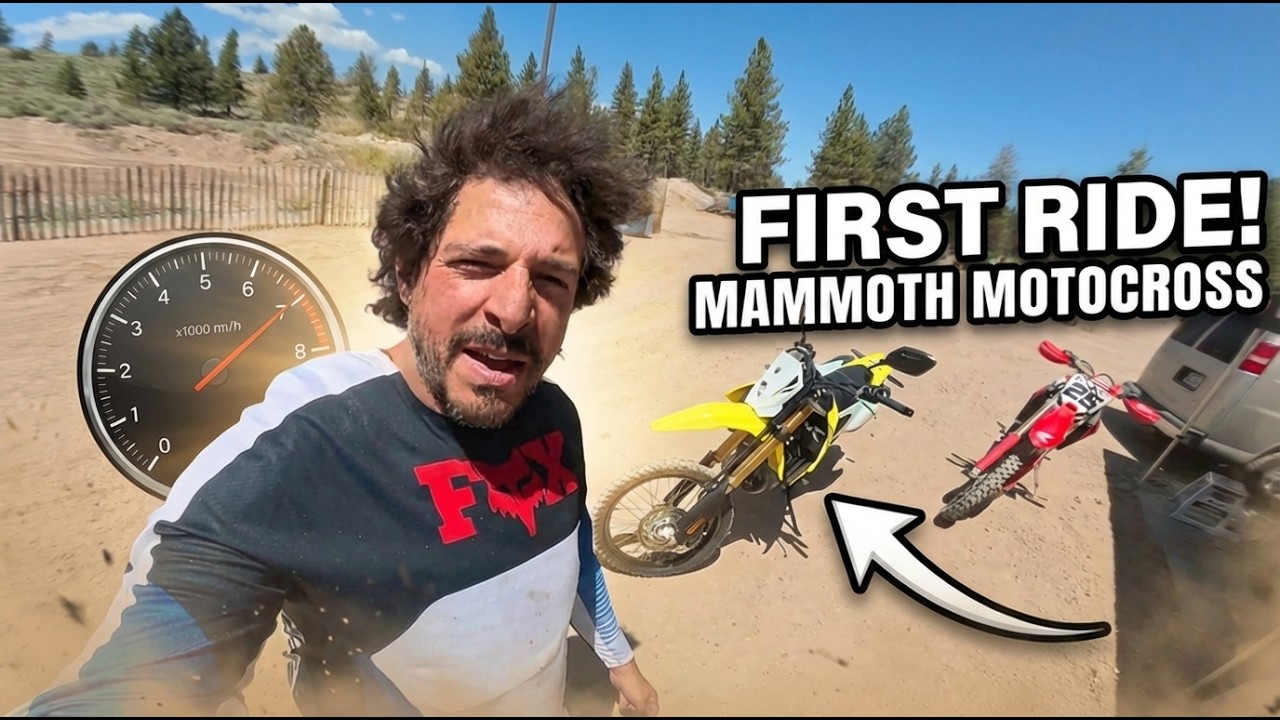
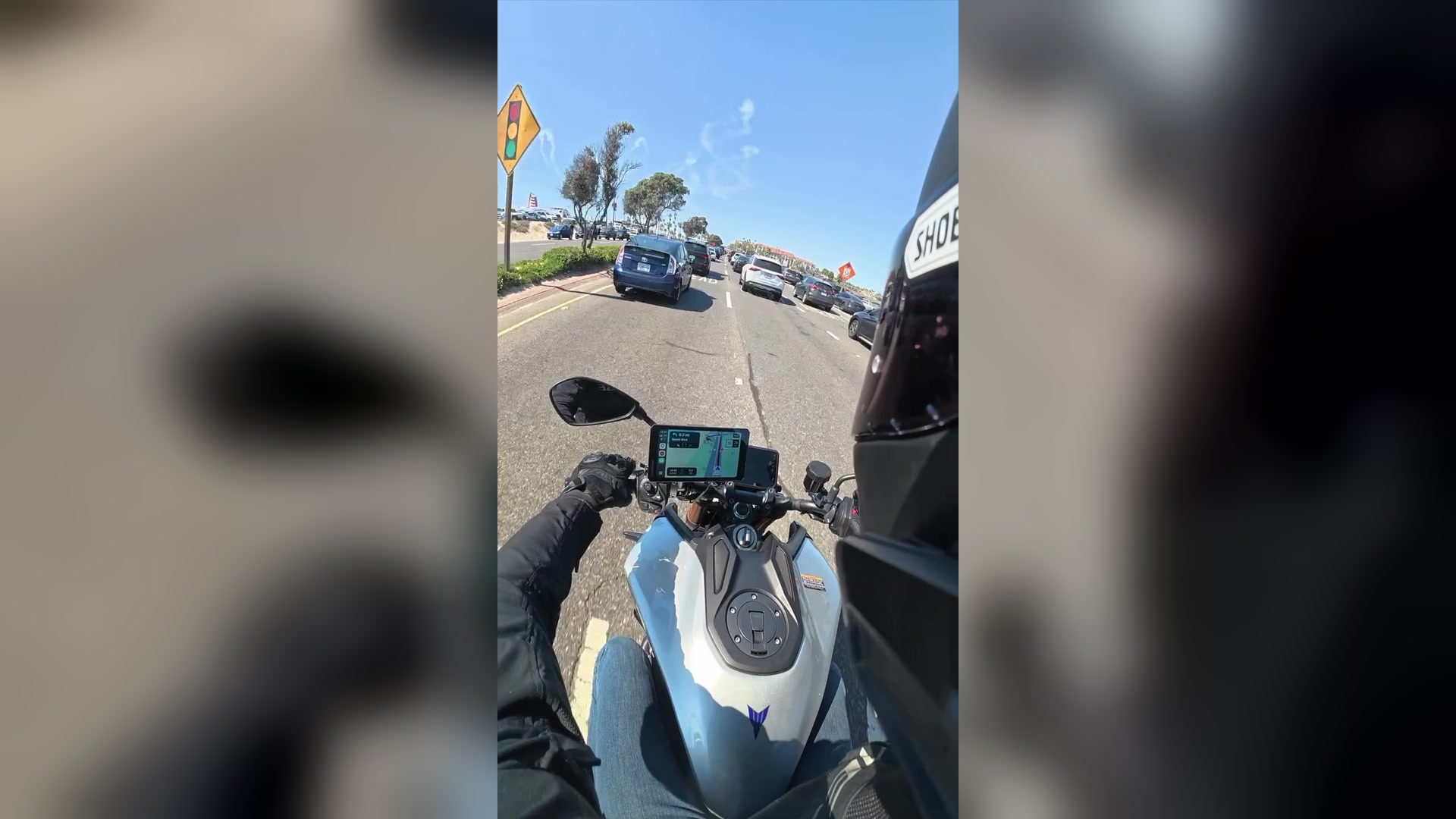
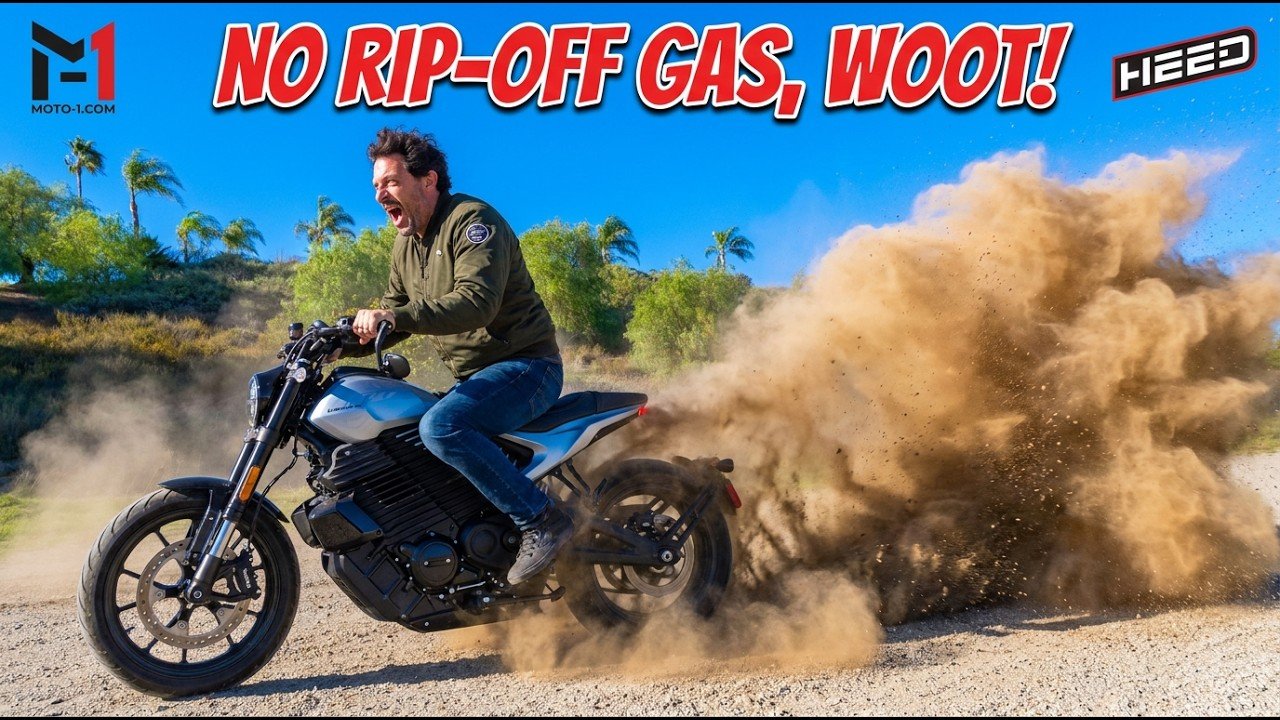
We already took Harley-Davidson’s electric street bike apart with our eyes in the garage. Now it’s time to ride it somewhere. For this LiveWire S2 Alpinista road test, I loaded the bike with dirt bike gear and rode it, gas-free, through town, up the freeway and over our favorite canyon test loop to a dirt bike ranch near Temecula. That’s right: we went e-biking to go e-biking. Along the way we learned exactly what this $12,999 electric motorcycle does brilliantly, and where it runs out of juice.
Need the walkaround first? Our 2026 Harley-Davidson LiveWire S2 Alpinista Garage Talk Review covers the hardware, and our 2025 Can-Am Pulse vs. 2026 LiveWire S2 Alpinista Comparison sizes it up against its closest rival. This one is all about the ride.
Packed Like a Pack Mule
Our test bike wore the optional SW-Motech luggage, which runs about $1,500 and takes the as-tested price to around $14,500. It’s a game changer. One side swallowed a full-face off-road helmet. The other carried the Level 1 charger so we could plug in at the other end. Add an OGIO boot bag stuffed with boots, knee braces and gloves, and suddenly this e-bike is a useful tool for getting around town, not just a toy.
Charging is simple because the Alpinista uses the standard J1772 plug, so topping up at home or the office is super easy. And yes, it has reverse. Roll the throttle forward and the bike backs up at a walking pace. How cool is that?
Ergonomics: Harley Knows Comfort
You can tell Harley-Davidson has been doing ergonomics right for a long, long time. The seating position is narrow, the seat is low, and the sculpted faux fuel tank lets your knees recess neatly into it while shielding your lower body from the wind. The knee bend isn’t demanding and the footpegs are exactly where you want them. It’s one of the more comfortable riding positions on any motorcycle, gas bikes included.
The flat handlebar has little sweep and puts you in a pleasantly aggressive, commanding position for urban riding. On the freeway you’d want a bar with more rearward sweep, but this is a city bike first. My only knock is the seat: it’s a little narrow and thin. Still, at 6 feet and 193 pounds, I found the Alpinista fits me really well.
Liter-Bike Launch
In Sport mode, the full torque is on tap, and the Alpinista accelerates away from a stop with the ferocity of a liter bike. It comes off corners extremely hard. It even wheelies, and if you’re clever with the throttle, you can ride the wheelie. Very sick.
On a straight, it got up to speed in a hurry and the speedo topped out at 97 mph on our run. That’s plenty fast, and at those speeds you’re drinking so many ions it hardly matters. At 75 mph on the highway, the bike is a pussycat. It glides over the road with very little noise, just a bit of powertrain whine that makes you feel like you’re riding a Tron bike. The good kind of noise.
Canyon Handling: Neutral and Fun
Our proving grounds are a tight canyon loop where we do a ton of testing, ideal for small and middleweight bikes. I knew the Alpinista would do well there, and it did. The 434-pound LiveWire handles through the turns so dang well. Steering is neutral: it never steers more or less than the input you give the handlebar, though you do need to put some input in.
The front end sits a little high, which usually hurts steering. But without a spinning crankshaft and other internal engine parts resisting direction changes, the bike turns just fine. The Showa suspension, a fully adjustable 43mm inverted fork and a linkage-equipped shock running from the battery casing to the cast aluminum swingarm, glides over bumps and still delivers decent road holding and sporty aptitude.
Stealth is the other story. A pair of coyotes trotted along the road and never heard us coming. Even the crows didn’t notice. That’s cool, or a new set of problems, depending on who you ask.
Brakes: Sharp in a Good Way
The radial-mount Brembo front caliper is very powerful with a nice, pleasing feel. It’s so sharp, in a good way, that a brand-new rider might find it a little intimidating at first. A lot of Alpinista buyers will be new or returning riders, but with always-on ABS, nobody has to worry about locking a wheel. The rear brake is strong and stout too. I’m a big back brake guy, even with motor regen.
Ride Modes and Regen
Ride modes are selected with a mode button under your right index finger. When the battery hit 75 percent, I switched from Sport to the efficiency-minded Range mode to save juice. It still feels pretty dang peppy, and it adds more motor braking. Every time you roll off, the motor regenerates a wee bit of power and slows the bike like a heavy-duty engine brake, so you use the disc brakes less.
Dash and Switchgear
The round color TFT isn’t a touchscreen, but the switchgear steps you through music, bike setup and map functions. It shows the ambient temperature (54 degrees on our chilly morning), and a low tire pressure warning lights up when the tires need air. The dash is aesthetically pleasing and fits the bike’s design, but the screen and its fonts could be bigger.
The switches aren’t backlit, which would be nice. The music buttons are kind of a waste of space: you need a Bluetooth communicator to use them, and a Cardo Systems Packtalk Pro does the same job with voice commands. Less is sometimes more, Harley. There’s also a traction control off button. These bikes make so much immediate torque that you do have to watch for wheelspin off the line, but once rolling, the motor is very tractable and hooked up on pavement.
Styling: Looks Like a Naked Bike
I love the way this bike looks. It reads like a naked bike, and the machined fins along the battery housing are super sick. The mirrors tucked under the handlebar look great, but they’re harder to see out of than conventionally mounted mirrors. Bit of a buzzkill.
Range Anxiety Is Real
Here’s the catch. The range gauge drops fast, even in normal riding. We weren’t hauling, just cruising around 60 mph with a few bursts, no faster than I’d ride a gas bike. The battery hit 64 percent with 21 miles to go, and with 0.7 miles left to the ranch, the dash read 24 percent and 14 miles of range. In aviation speak, that’s bingo fuel. The whole ride was right around 38 miles, and it used most of the battery to get there.
Charging is the other half of the equation. Level 1 on a 120-volt outlet takes around six hours to go from 20 to 80 percent. We have a 240-volt Level 2 charger at the race shop, and Level 2 takes the pack from 20 to 80 percent in 78 minutes. If you plan to commute or put real miles on an Alpinista, make sure you have Level 2 access. It makes all the difference in the world.
Verdict: The Ultimate Urban Hooligan
I gotta hand it to Harley-Davidson. I enjoy riding the LiveWire S2 Alpinista. The ergonomics are great, it’s comfortable in town and in slow to medium-speed canyons, the suspension is sorted, the motor has tons of power, and it’s a really good-looking motorcycle. It’s easily the best electric motorcycle out there.
The range is its weakness. For jetting around town, hitting the bar, visiting friends and easy local rides of about 20 miles there and back, it’s perfect. For freeway miles or longer rides, get a gas bike. Know which rider you are and the Alpinista won’t disappoint.
More electric street bike coverage: our 2025 Can-Am Pulse Urban Road Test, the 2025 Can-Am Pulse Garage Talk Review and the 2026 Can-Am Origin Electric Dual-Sport Review.
2026 LiveWire S2 Alpinista Specifications
| Spec | 2026 LiveWire S2 Alpinista |
|---|---|
| U.S. MSRP | $12,999 starting |
| Warranty | 2-year unlimited-mileage motorcycle; 5-year unlimited-mileage high-voltage battery |
| Motor output | 84 hp (63 kW); 194 lb-ft torque |
| 0-60 mph | 3.0 sec |
| Top speed | 99 mph |
| Battery | 10.5 kWh high-voltage |
| Range (SAE J2982) | 120 mi city; 89 mi combined; 71 mi at 55 mph sustained |
| Our test ride | About 38 miles of city, highway and canyon riding on most of a full charge |
| Charging | J1772 Type 1 plug; Level 2 (240V): 20-80% in 78 min, 0-100% in 142 min; Level 1 (120V): 20-80% in 5.9 hr, 0-100% in 8.4 hr; Level 1 cord included |
| Ride modes | Sport, Road, Range, Rain, Custom |
| Rider aids | Cornering ABS (C-ABS); Cornering Traction Control (C-TCS); Drag-Torque Slip Control (DSCS); Roll-Fwrd Regen; reverse |
| Frame | Modular, with structural cast aluminum powertrain; cast aluminum swingarm |
| Front suspension | Showa fully adjustable 43mm inverted 1×1 cartridge fork; 4.72 in travel |
| Rear suspension | Showa free piston monoshock with progressive linkage; preload and rebound adjustable; 4.72 in travel |
| Front brake | Floating disc, Brembo M4.32 monoblock four-piston caliper |
| Rear brake | Fixed disc, Brembo PF34 single-piston floating caliper |
| Wheels | Cast aluminum, 17 x 3.5 in front (20-spoke) / 17 x 5.5 in rear (10-spoke) |
| Tires (F/R) | Dunlop RoadSmart IV, 120/70 ZR17 58W / 180/55 R17 73V |
| Lean angle (L/R) | 52.1° / 44.2° |
| Rake / trail | 24.5° / 3.62 in |
| Wheelbase | 56.8 in |
| Seat height | 31.18 in unladen; 29.5 in laden |
| Ground clearance | 4.92 in |
| Length / handlebar width | 82.6 in / 34 in |
| Weight | 434 lb |
| Display | 4-in round color TFT; Bluetooth phone and media; app-based navigation; OTA updates; USB-C |
| Colors | Quasar Red, Liquid Black, Glacier Silver, Asphalt Black |
LiveWire S2 Alpinista Road Test FAQ
How far can the LiveWire S2 Alpinista go on a charge?
It’s rated at 120 miles city, 89 combined and 71 at a sustained 55 mph. On our 38-mile mixed road test, cruising around 60 mph, it used most of the battery.
How fast is the LiveWire S2 Alpinista?
Top speed is 99 mph and 0-60 mph takes 3.0 seconds. With 194 lb-ft of torque, it accelerates off the line like a liter bike and will wheelie.
How long does it take to charge?
On a 240-volt Level 2 charger, 20 to 80 percent takes 78 minutes. On a 120-volt Level 1 outlet, the same charge takes about six hours.
Is the LiveWire S2 Alpinista good for commuting?
Yes, for urban commutes of about 20 miles round trip. It’s comfortable, quick through traffic and easy to charge with Level 2 access. For long freeway commutes, a gas bike is the better tool.
Does the LiveWire S2 Alpinista have reverse?
Yes. Twist the throttle forward and it backs up at a controlled walking speed.
More Electric Motorcycle Coverage on Moto-1
- 2026 Harley-Davidson LiveWire S2 Alpinista Garage Talk Review
- 2025 Can-Am Pulse vs. 2026 LiveWire S2 Alpinista Comparison
- 2025 Can-Am Pulse Urban Road Test
- Zero Motorcycles XB and XE EMoto Reviews
- What You Didn’t Know About Can-Am’s Origin Electric Bike
- Harley-Davidson
- Street Bikes