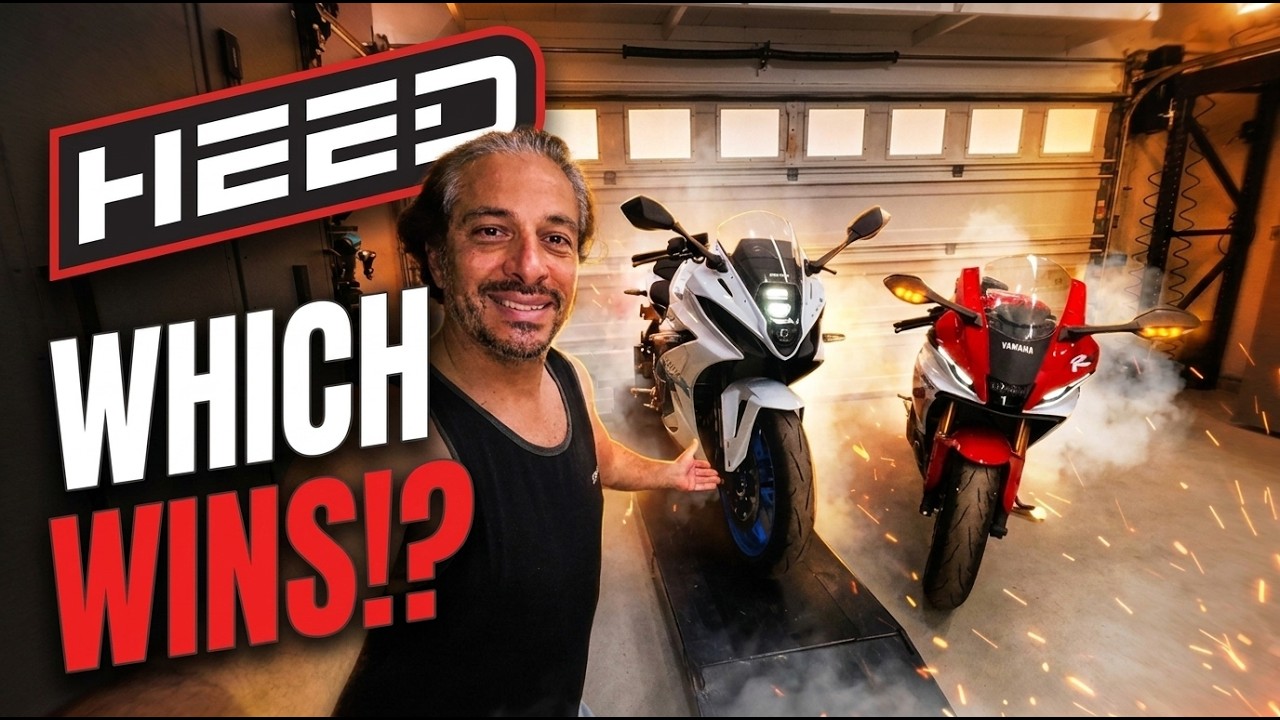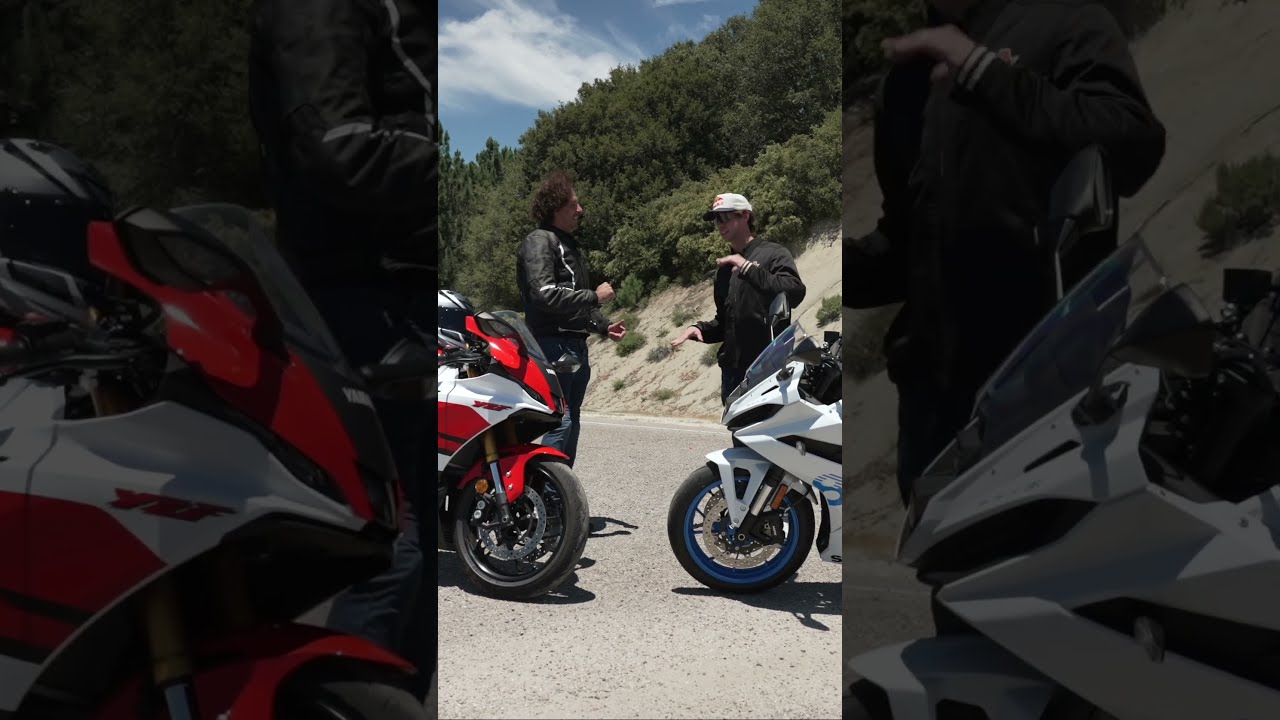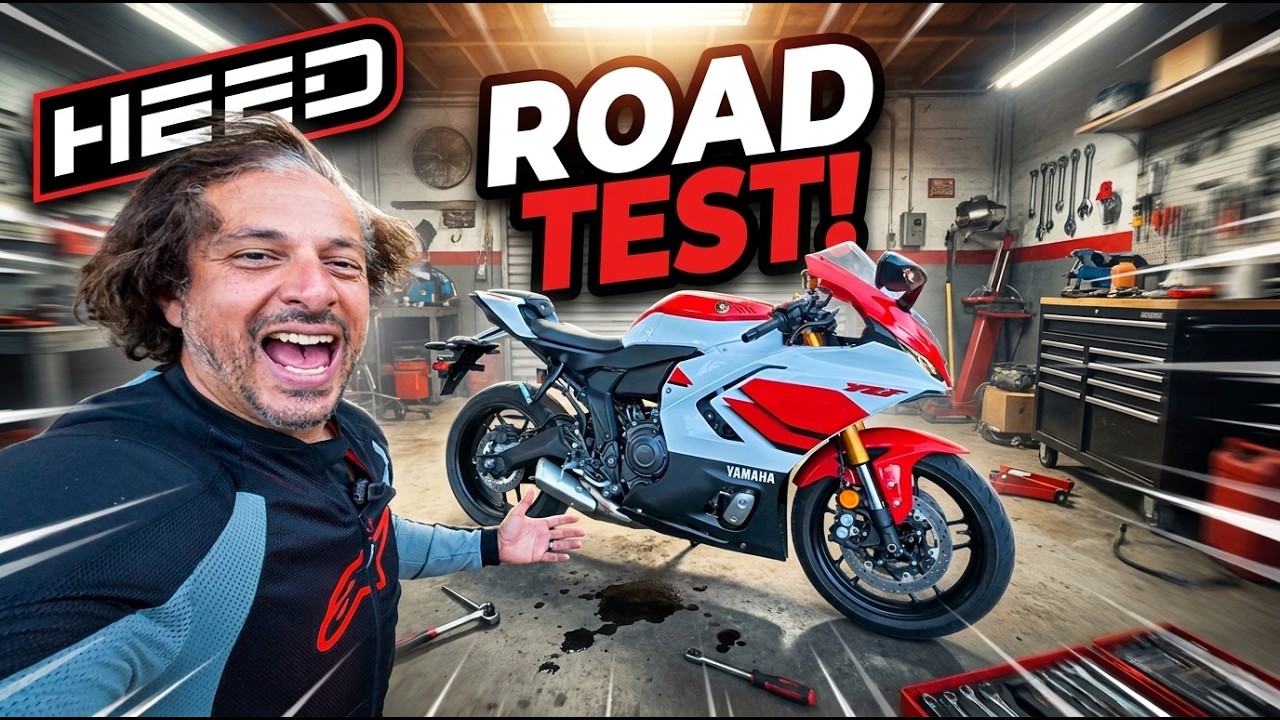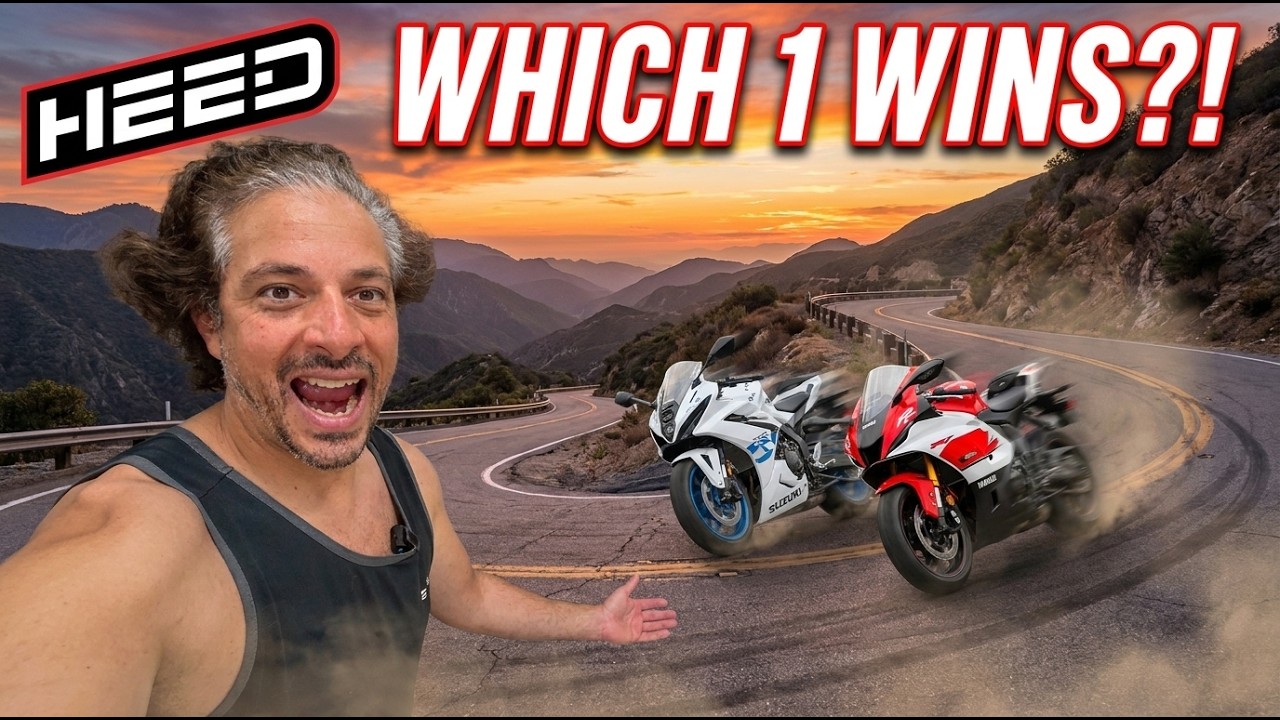
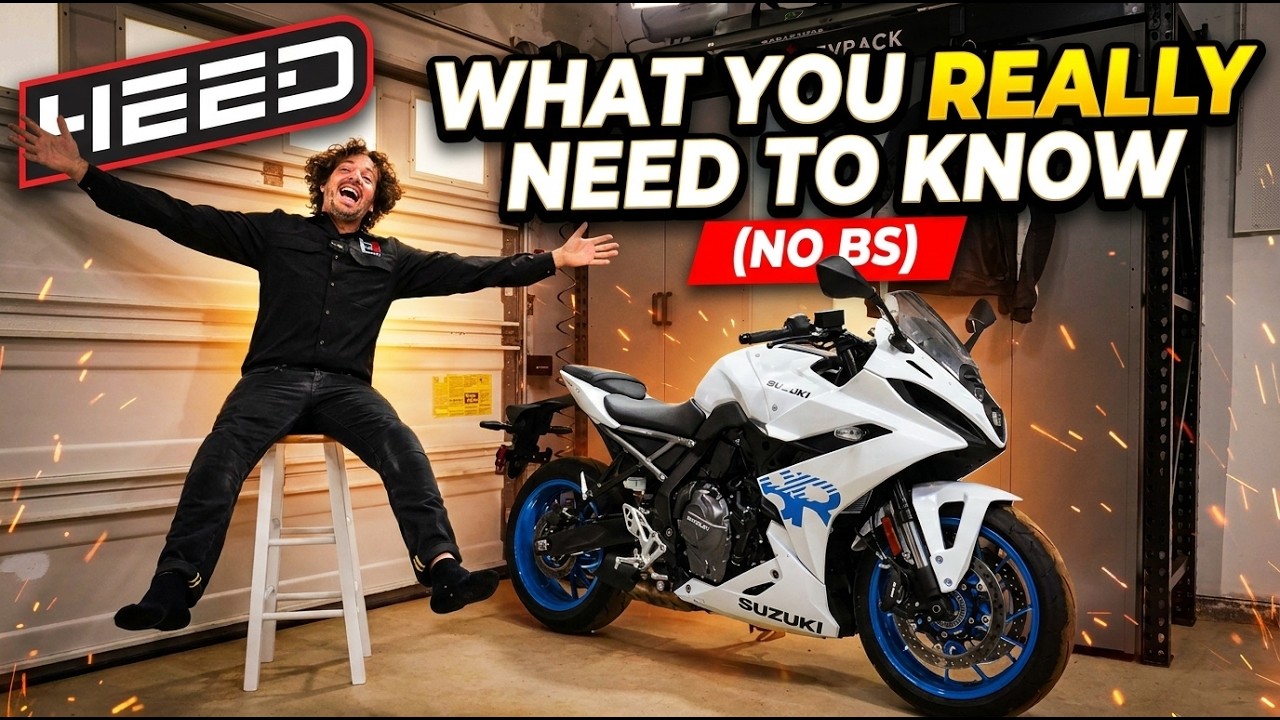
Middleweight sportbikes are the absolute sweet spot of motorcycling. They offer enough agility to keep your pulse racing through the tightest canyon sweepers without requiring an advanced degree in chiropractics or threatening your driver’s license at every stoplight. Yamaha’s YZF-R7 has long ruled the roost for riders craving pure R-Series track DNA on a street budget, but Suzuki crashed the party with the punchy GSX-8R. We grabbed the keys to both machines, pointed their front tires toward our favorite asphalt, and let loose to find out which parallel-twin contender deserves prime real estate in your garage.
Engine Character and Power Delivery
Fire up Suzuki’s 776cc parallel-twin, and you immediately notice its 270-degree crankshaft configuration. It thumps with satisfying V-twin-like pulses, pumping out over 70 horsepower and 50 lb-ft of torque. It’s got a broader, meatier powerband that shrugs off low-rpm laziness, making roll-on acceleration effortless whether you’re commuting or gapping traffic.
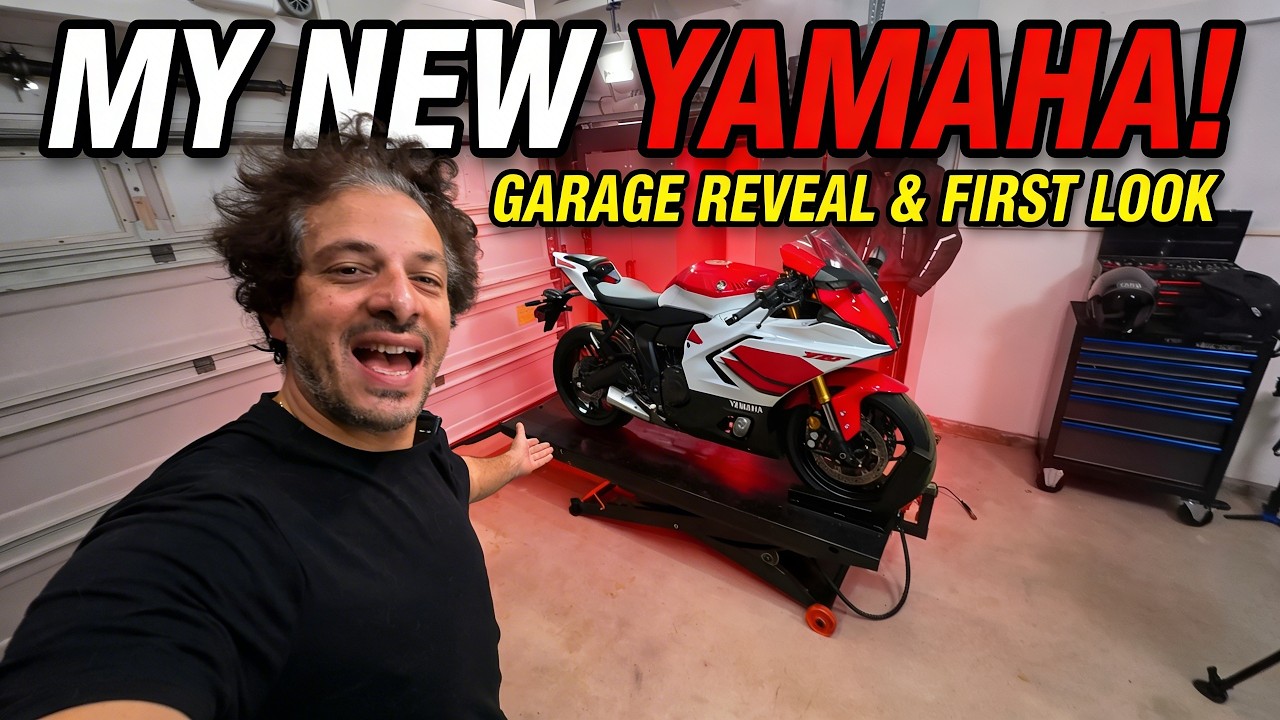
Yamaha counters with its legendary 689cc CP2 parallel-twin. While it gives up a bit of displacement and grunt to the Suzuki (pushing around 67 horsepower), Yamaha updated the 2026 model with enhanced air induction roar straight from the airbox. When you twist the throttle, the cockpit fills with an addictive intake howl that makes every gear change feel like you’re chasing podiums at MotoGP.
Ergonomics and Real-World Comfort
If your idea of a good ride involves spending eight hours in the saddle without needing a team of physical therapists, the Suzuki GSX-8R is your sanctuary. Its upright handlebars sit well above the top clamp, offering a spacious, plush riding position that makes miles melt away.
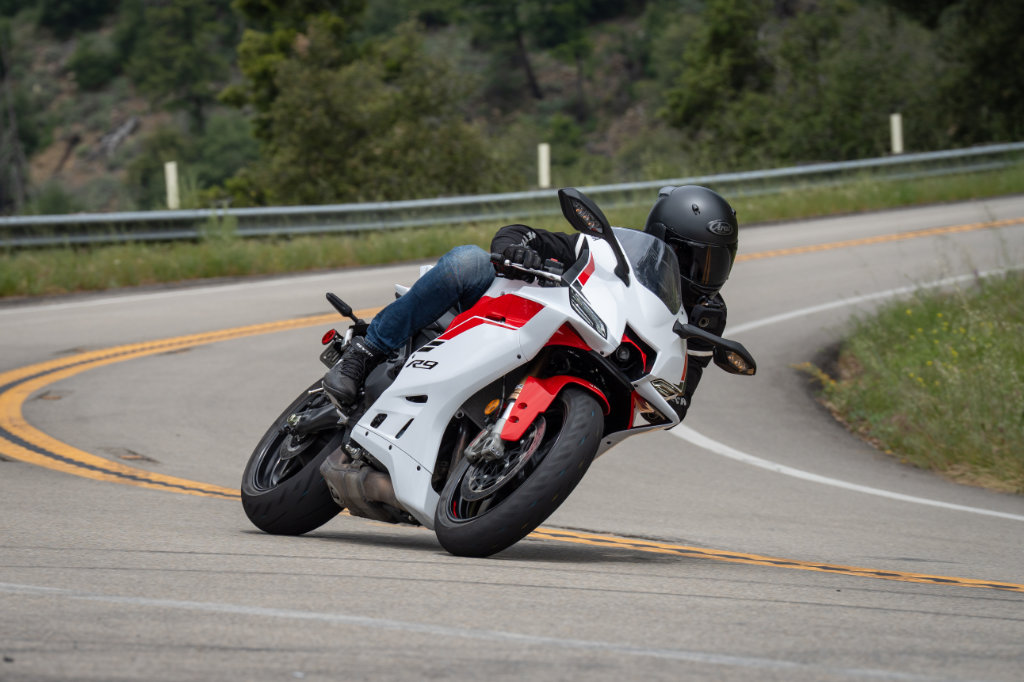
The Yamaha YZF-R7, on the other hand, embraces its aggressive R-Sport lineage. With lower clip-on handlebars mounted beneath the top clamp and higher footpegs, the R7 forces you into a much more purposeful, forward-leaning attack posture. It’s brilliant in the twisties, though you’ll definitely feel some engine warmth radiating through your gear on a scorching afternoon.
Technology and Electronics Suite
When it comes to rider aids, Yamaha pulls ahead by borrowing heavily from its supercar heritage. The R7 features a six-axis IMU enabling traction control, slide control, lift control, and cruise control, paired with smartphone connectivity via the Y-Connect app and Garmin StreetCross navigation.
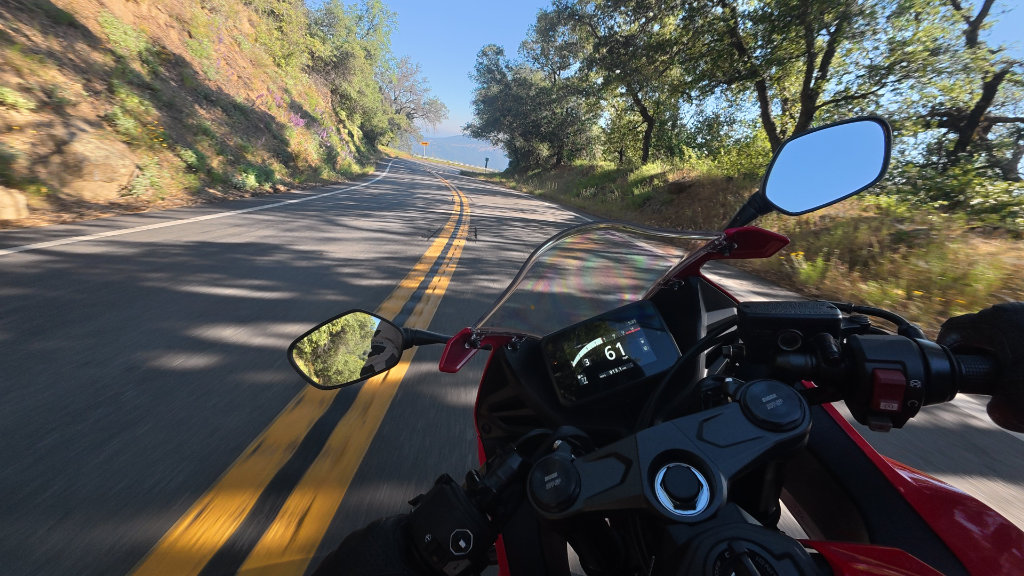
Suzuki keeps things more analog and approachable. The GSX-8R utilizes a crisp 5-inch TFT display and reliable ride modes (S-DMS) along with traction control and a butter-smooth bi-directional quickshifter, though it lacks a full IMU and smartphone pairing capabilities.
The Verdict
Both of these middleweight warriors prove that you don’t need a 200-horsepower literbike to have an absolute blast on two wheels. If your priority is all-day comfort, effortless low-end torque, and relaxed ergonomics, the Suzuki GSX-8R is an exceptional street companion.
However, if you want a sharper chassis, superior electronic rider aids, smartphone connectivity, and authentic supersport flavor, the Yamaha YZF-R7 takes top honors in this shootout.
For more in-depth machine reviews, gear tests, and race analyses, explore our related coverage on Moto-1.com:
Technical Specifications Comparison
| Feature | 2026 Suzuki GSX-8R | 2026 Yamaha YZF-R7 |
| Engine Type | 776cc liquid-cooled DOHC parallel-twin | 689cc liquid-cooled DOHC CP2 parallel-twin |
| Horsepower | ~70.5 hp | ~67.0 hp |
| Torque | ~50.2 lb-ft | ~49.0 lb-ft |
| Transmission | 6-speed with bi-directional quickshifter | 6-speed with 3rd-gen quickshifter |
| Front Suspension | Showa SFF-BP inverted fork (non-adjustable) | Fully adjustable KYB 41mm inverted fork |
| Brakes | Nissin 4-piston radial calipers, dual 310mm discs | Brembo radial master cylinder, dual 298mm discs |
| Wet Weight | 452 lbs (with 3.7 gal fuel) | 417 lbs (with 3.7 gal fuel) |
| Fuel Economy | ~41 mpg | ~45-59 mpg |
| U.S. MSRP | $9,699 | $9,399 (Standard) / $9,699 (Anniversary) |
| Warranty | 12-month unlimited mileage limited | 1 year limited factory |