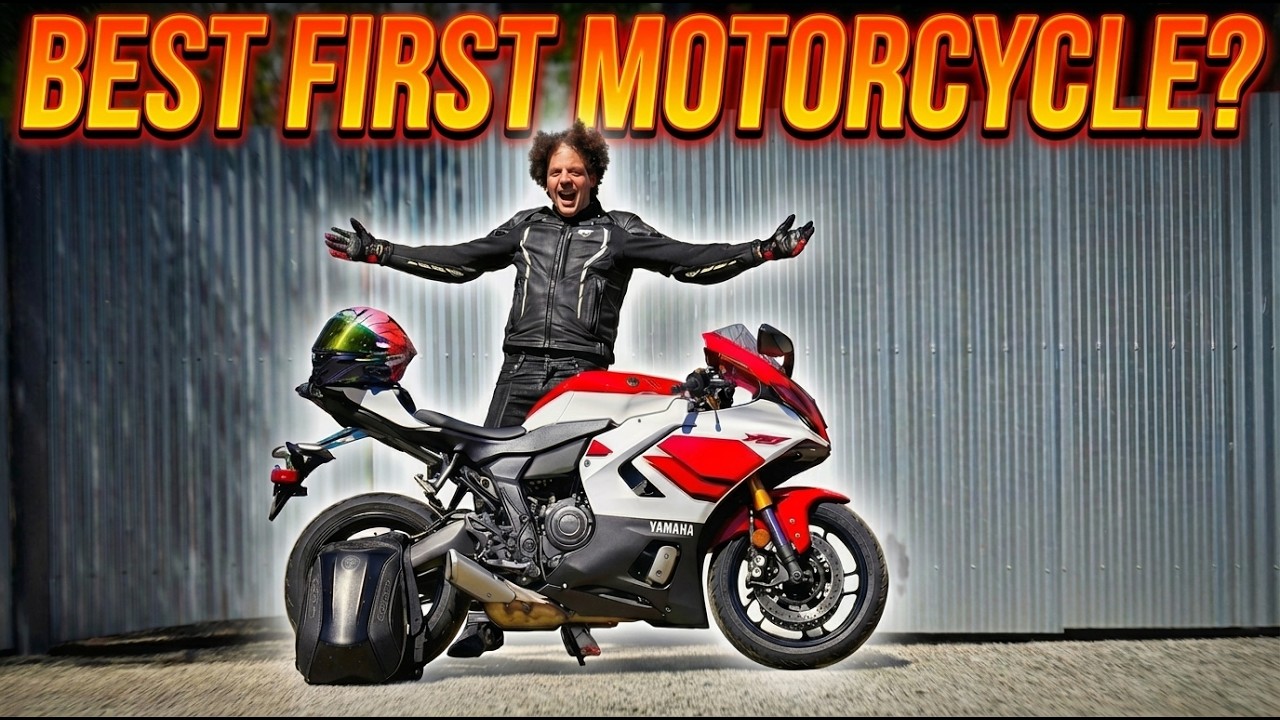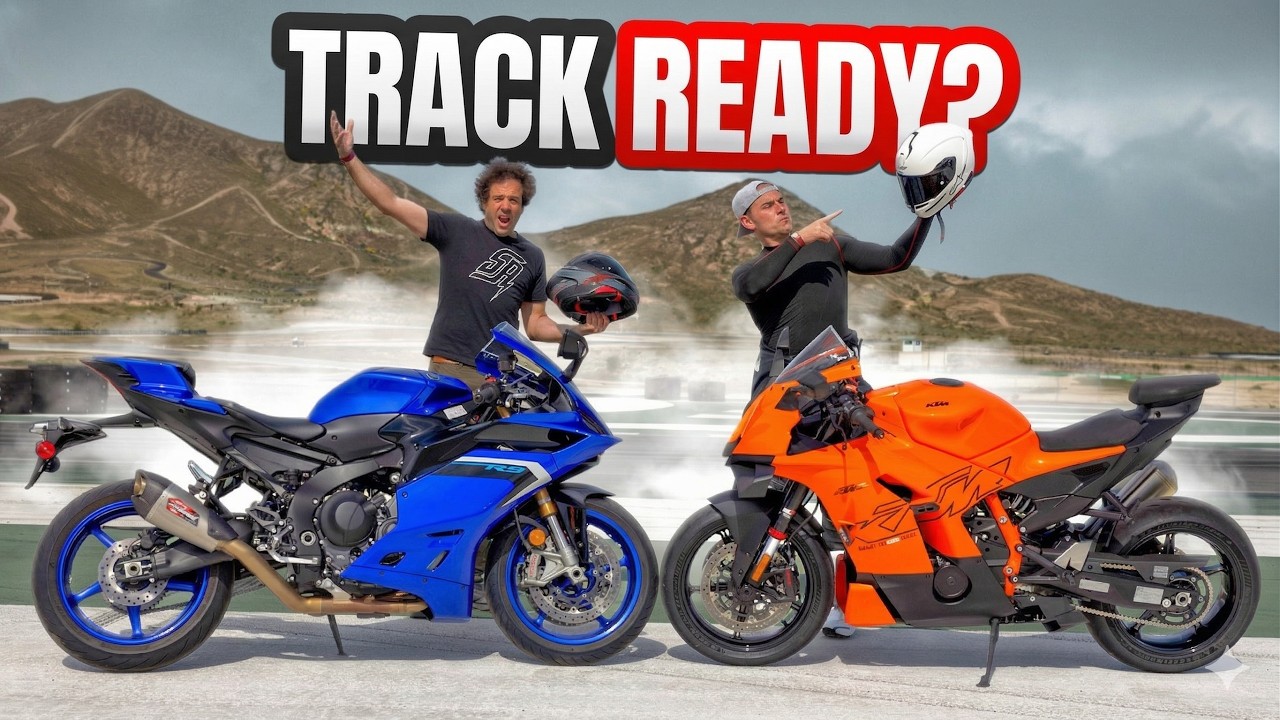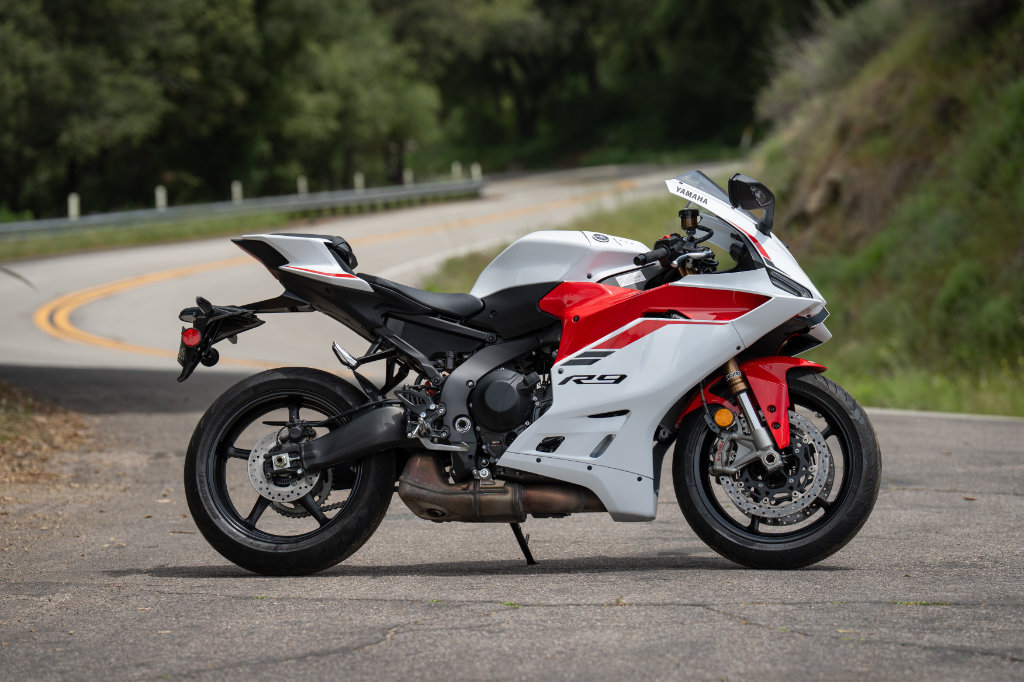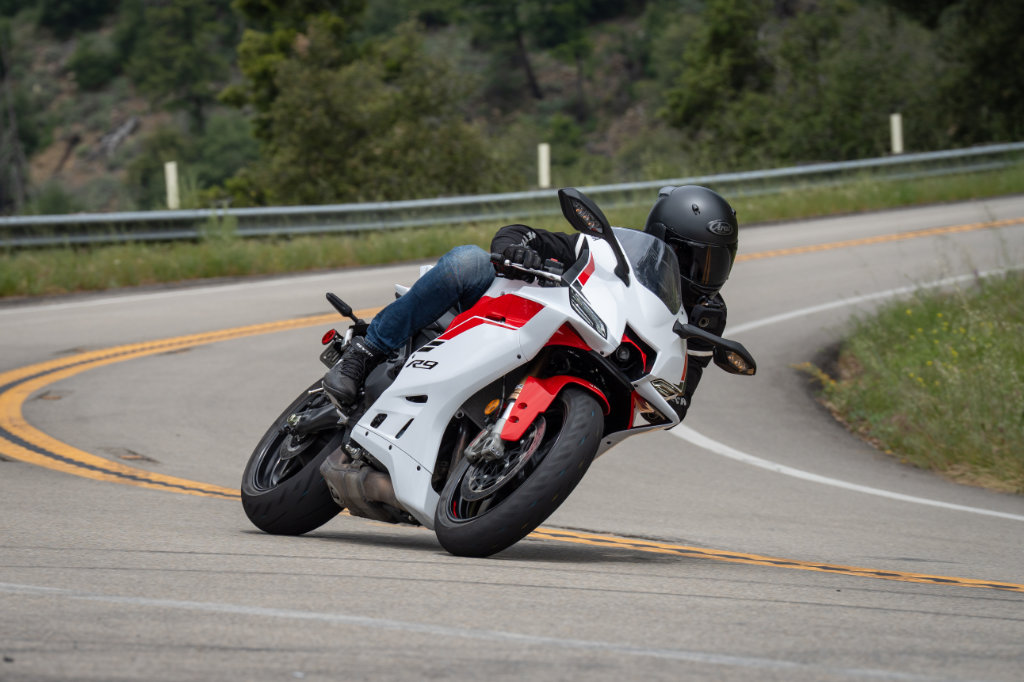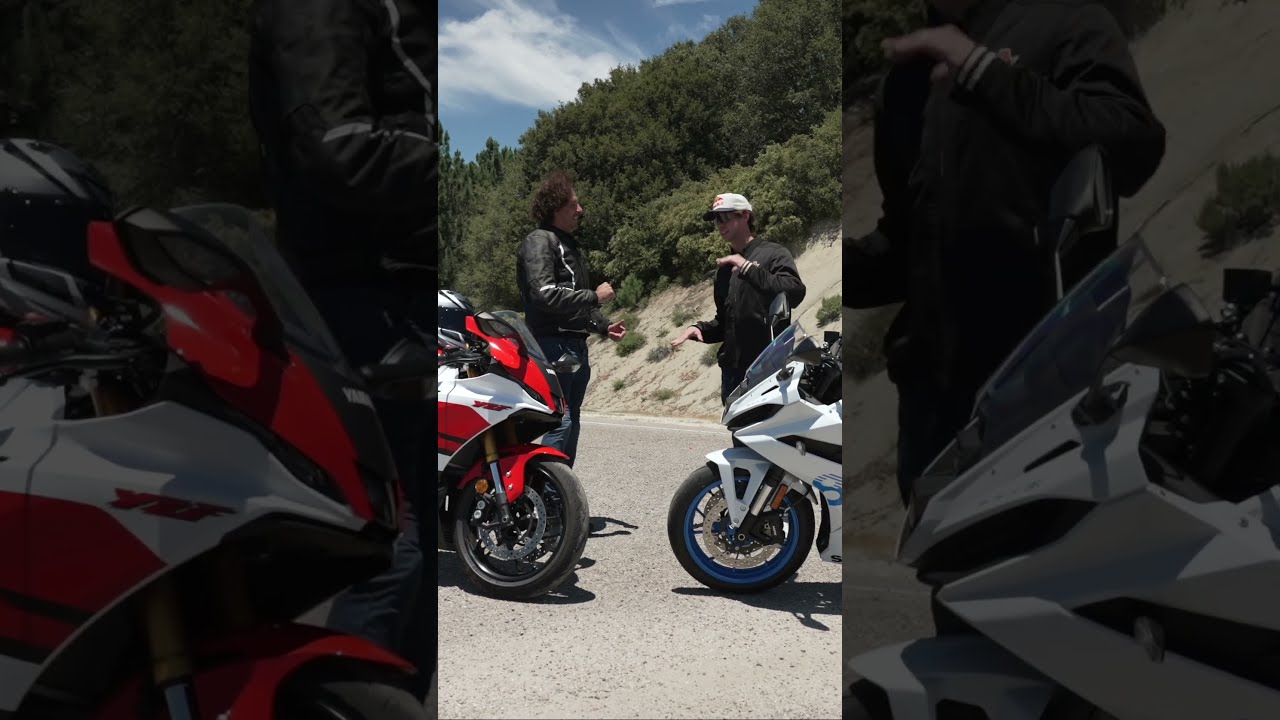
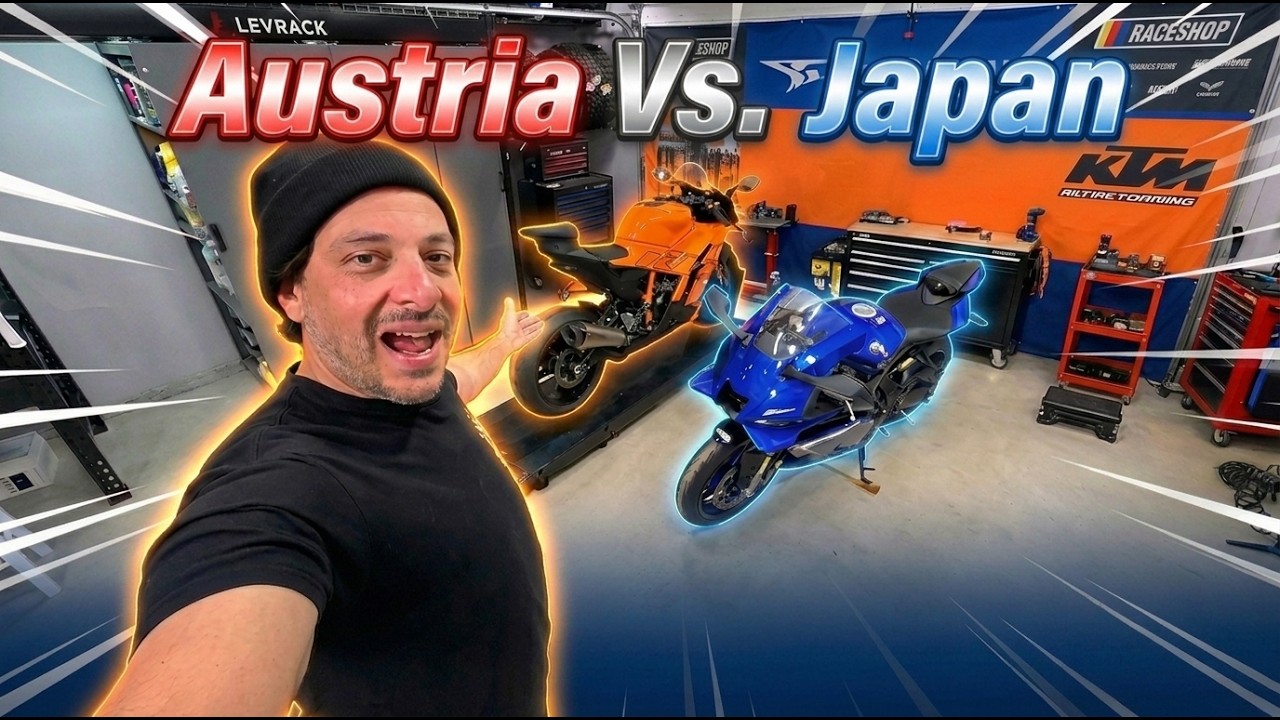
If there is one thing better than the arrival of the highly anticipated 2025 Yamaha YZF-R9, it’s the sound of its crossplane three-cylinder engine uncorked. Straight from the factory floor, Yamaha’s new mid-weight apex predator is a phenomenal piece of engineering. But let’s be honest: the constraints of modern regulations leave the stock exhaust system feeling a bit choked up and carrying a noticeable amount of extra baggage.
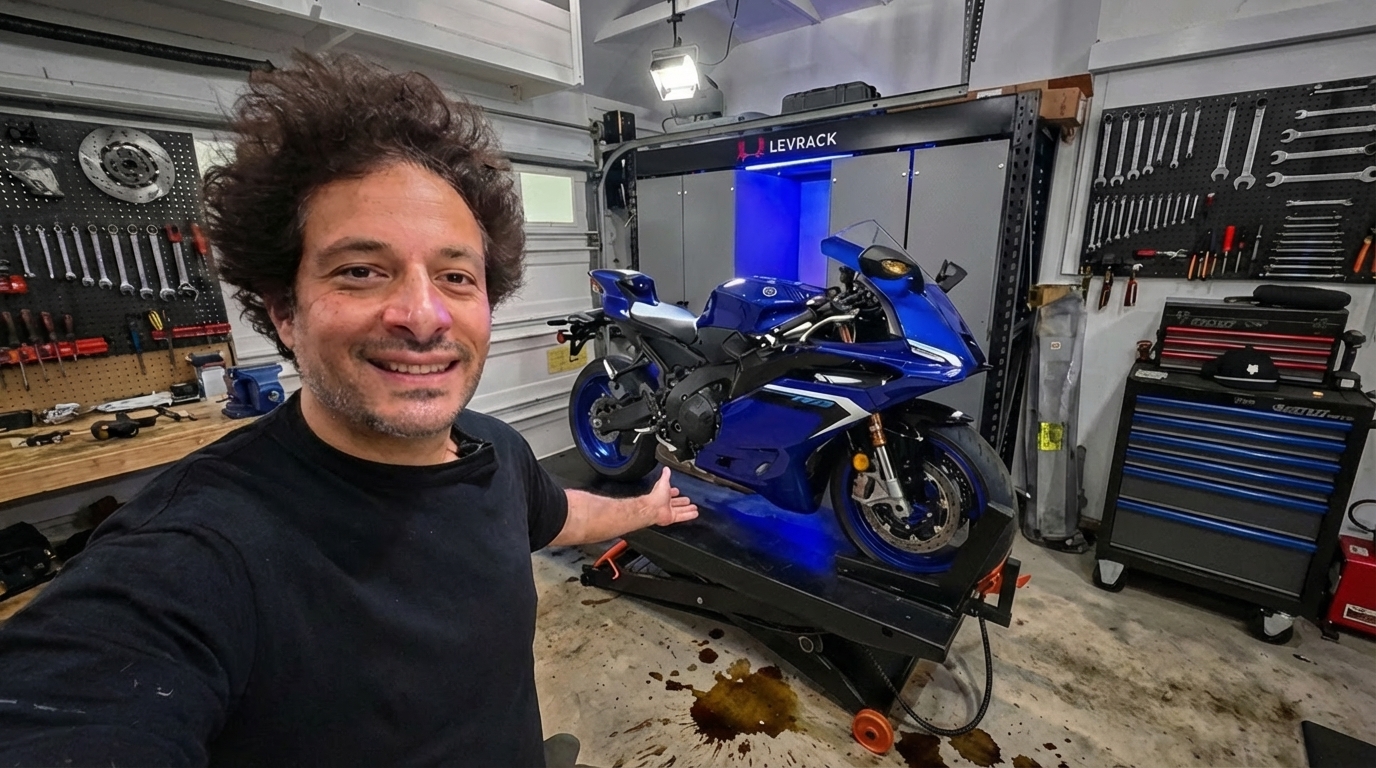
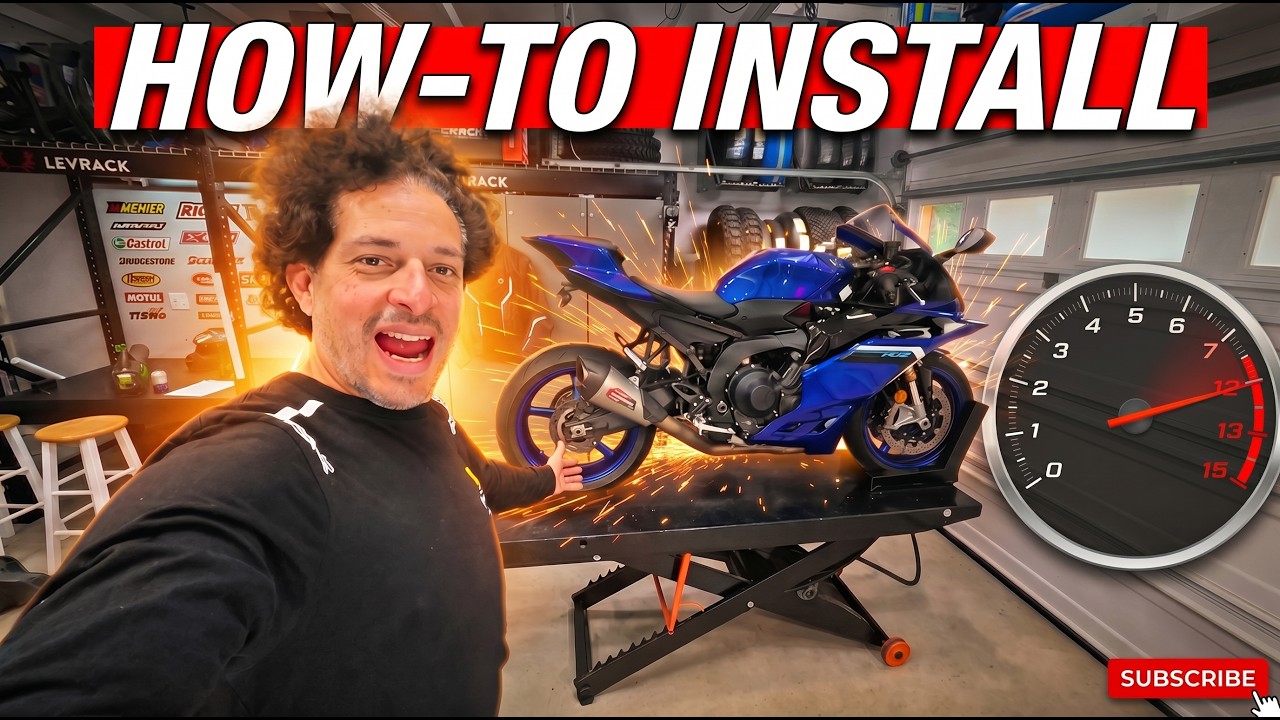
To remedy this, the bike was wheeled into the garage to install a beautiful, American-made motorcycle exhaust, the Yoshimura AT2 Full Race Exhaust System. Retailing at $1,279, this closed-course-only system promises to shed significant weight, increase overall performance, and unlock the absolute best auditory experience that the CP3 platform can offer.
Here is a comprehensive breakdown of the installation process, a side-by-side weight comparison, and the final technical specifications of Yamaha’s new flagship sportbike.
Out with the Heavy, In with the Crafted Performance
Yamaha engineers deserve serious credit for the bodywork packaging on the YZF-R9. Unlike sportbikes of yesteryear that required a frustrating puzzle-solving session just to drop the plastics, the lower side fairings on the R9 come off with ease. The upper fairing stays completely intact, which speeds up the workflow tremendously.
Once the fairings are clear, the stark contrast between factory mass-production and aftermarket craftsmanship becomes obvious. The stock exhaust, which combines the header pipes and a massive catalytic converter box into a single unit, tips the scales at a hefty 16.3 pounds.
By comparison, the Yoshimura AT2 system is a masterclass in weight optimization. Broken down by component, the weight savings speak for themselves:
- Yoshimura Stainless Steel Header: 5.1 lbs
- Yoshimura Mid-Pipe: 1.3 lbs
- Yoshimura AT2 Muffler (with Carbon Fiber Guards): 4.0 lbs
The entire Yoshimura AT2 system totals just 10.6 pounds, resulting in an immediate 5.7-pound reduction. On a machine with a wet weight of 430 pounds, slicing nearly six pounds from the absolute bottom of the chassis is a massive win for handling and transitions.
Step-by-Step Track Prep Installation
With the bodywork removed, the installation progresses smoothly thanks to the inherent simplicity of a three-cylinder engine configuration. Dealing with three header pipes instead of four makes access much less of a headache.
- Sensor & Radiator Prep: The process begins by removing the 17mm O2 sensor from the stock pipe. Next, loosening the lower 10mm radiator mount allows the radiator to tuck forward just enough to gain clean tool clearance for the header bolts.
- Dropping the Stock System: After unbolting the 12mm muffler mount and the header nuts, the bulky stock exhaust can be wiggled out of the tight chassis clearance. A quick pro-tip: applying a small dab of copper anti-seize to the cylinder head exhaust gaskets keeps the finicky seals from dropping out of place while lining up the new system.
- Mounting the Yoshimura Headers: The beautiful stainless steel headers bolt up easily, followed by the mid-pipe and the striking trapezoidal AT2 muffler.
- Chassis Integration: Yoshimura provides a longer 40mm bolt and an incredibly slick, CNC-machined aluminum spacer sleeve with ball-hole detailing to mount the muffler bracket securely to the passenger footpeg mount. The system also retains the original 12mm lower mounting point for maximum stability.
- O2 Sensor Extension: Because the O2 sensor bung on the race system sits in a revised location, Yoshimura includes a plug-and-play wiring harness extension. After treating the threads with sealant, the sensor is pre-twisted counterclockwise before being screwed into the header. This clever trick ensures the wires don’t bunch up or bind when fully tightened down with a 17mm wrench.
- The Finishing Touches: The header-to-mid-pipe exhaust springs are pulled into place using the included spring tool (ensuring the Yoshimura logos face outward, because details matter). Finally, the entire system is wiped down thoroughly with rubbing alcohol. Skipping this crucial step will cause any lingering fingerprints or hand oils to permanently stain the stainless steel once the pipe heats up.
The fit and finish of the system are exquisite. From the flawless robotic welds to the beautifully integrated carbon fiber heat shields, it matches the premium aesthetic of the R9 perfectly. For track riders looking for a less aggressive option, Yoshimura also offers a fully street-legal alternative featuring an integrated catalytic converter.
2026 Yamaha YZF-R9 Technical Specifications
To see how this modified track machine measures up, here are the official manufacturer technical specifications for the 2026 Yamaha YZF-R9, including standard U.S. MSRP and warranty information.
| Specification | Details |
| Engine Type | 890cc liquid-cooled, DOHC, inline 3-cylinder; 4 valves per cylinder |
| Bore x Stroke | 78.0mm x 62.1mm |
| Compression Ratio | 11.5:1 |
| Fuel Delivery | Fuel injection with YCC-T |
| Transmission | 6-speed; multiplate wet clutch with Assist & Slipper |
| Final Drive | Chain |
| Front Suspension | 43mm KYB® inverted fork, fully adjustable; 4.7-in travel |
| Rear Suspension | KYB® single shock, fully adjustable; 5.1-in travel |
| Front Brakes | Dual 320mm hydraulic discs; Brembo Stylema calipers, ABS |
| Rear Brakes | Single 245mm hydraulic disc; ABS |
| Front Tire | 120/70ZR17 Bridgestone® Battlax Hypersport RS11 |
| Rear Tire | 180/55ZR17 Bridgestone® Battlax Hypersport RS11 |
| Wheelbase | 55.9 in |
| Seat Height | 32.7 in |
| Fuel Capacity | 3.7 gal |
| Wet Weight | 430 lbs (Stock) / 424.3 lbs (with Yoshimura AT2 Race Exhaust) |
| U.S. MSRP | Starting at $12,499 |
| Warranty | 1 Year Limited Factory Warranty |