For American riders, the signature orange of KTM has become synonymous with “Ready to Race” aggression and off-road dominance. Much like its European peers, KTM’s journey began in a small metalworking shop in Mattighofen, Austria, founded by Hans Trunkenpolz in 1934. Initially a repair shop for cars and motorcycles, it wasn’t until 1953 that the first production KTM—the R100—was built. The company name, Kronreif & Trunkenpolz Mattighofen, reflects the partnership between its founder and businessman Ernst Kronreif. While BMW was conquering the asphalt, KTM was busy conquering the dirt, winning its first Austrian national championship in 1954 and a gold medal at the International Six Days Trials in 1956.
KTM’s arrival in the United States was uniquely “grassroots.” In the late 1960s, American off-road legend John Penton approached KTM to build lightweight dirt bikes to his specifications, which were then imported to the U.S. under the Penton brand. This partnership put KTM on the map for American woods and desert racers. By 1978, the company established KTM North America in Lorain, Ohio, and officially took over distribution. While the brand nearly collapsed in 1991, filing for bankruptcy, it emerged as a reorganized powerhouse under the leadership of Stefan Pierer. This “New Era” saw the birth of the Duke series in 1994, marking KTM’s serious entry into the street market and paving the way for the high-performance “naked” bikes Americans love today.
The Mattighofen Hub
KTM remains proudly Austrian, with its primary manufacturing and R&D hub still located in Mattighofen. This central campus is where the brand’s most complex machines—like the Super Duke and Super Adventure—are engineered and assembled. Since the 1990s, KTM has expanded into a global conglomerate, acquiring brands like Husqvarna and GasGas, and partnering with India’s Bajaj Auto for small-displacement production. For the U.S. rider, this has meant a massive increase in accessibility, moving the brand from a “boutique” European off-road choice to a mainstream rival for both Japanese and domestic manufacturers.
KTM in 2026: “The Beast” Evolved
In 2025, KTM has pushed the boundaries of displacement and electronic sophistication further than ever before. The headline for the American market is the full rollout of the 1390 platform. The 2025 KTM 1390 Super Adventure S EVO has arrived as a tech tour-de-force, featuring Automated Manual Transmission (AMT)—allowing riders to switch between manual shifting and a fully automatic mode—and a massive 8.8-inch vertical TFT touchscreen. Meanwhile, the “naked” segment has been set ablaze by the 990 Duke R, a bike that revives the legendary “R” badge with 130 hp and a razor-sharp chassis designed for track-day enthusiasts. Even as they embrace radar-guided cruise control and semi-active suspension, KTM’s 2025 lineup remains fiercely committed to the lightweight, “bare-knuckle” feel that John Penton first brought to American shores decades ago.
-
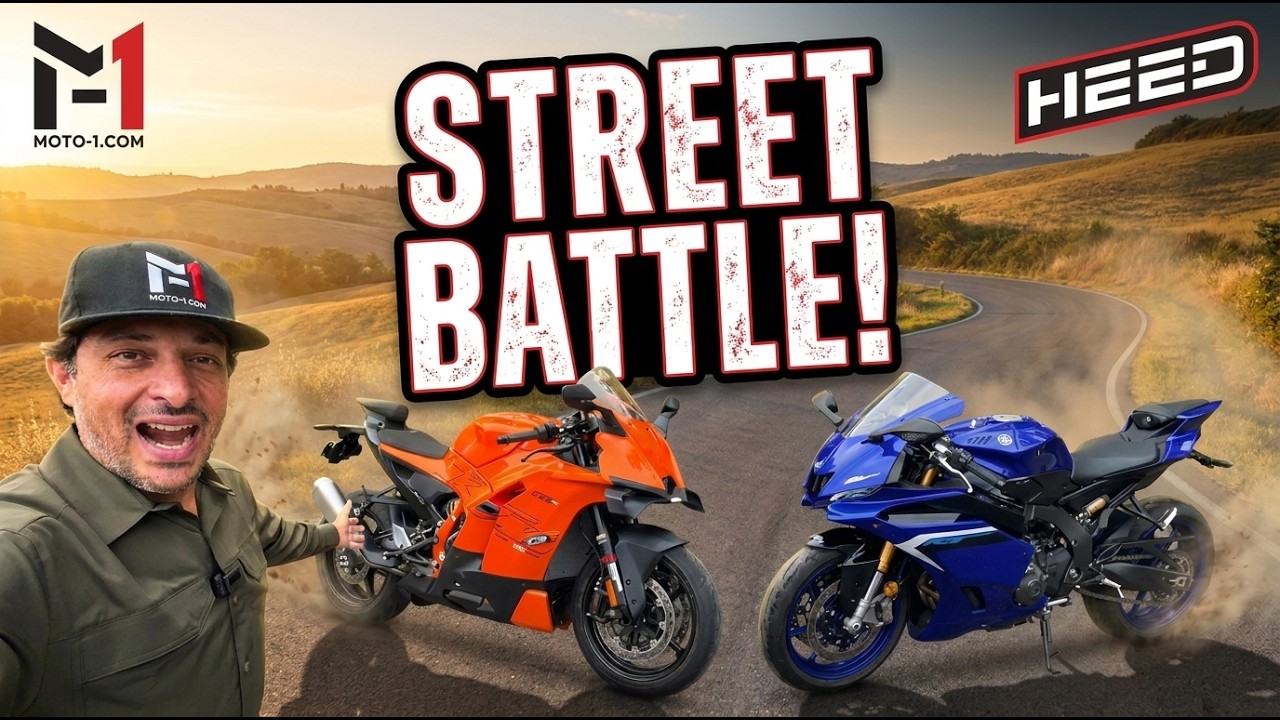
KTM 990 RC-R vs. Yamaha YZF-R9 Street Comparison
KTM 990 RC-R edges Yamaha YZF-R9 in this street brawl.
-
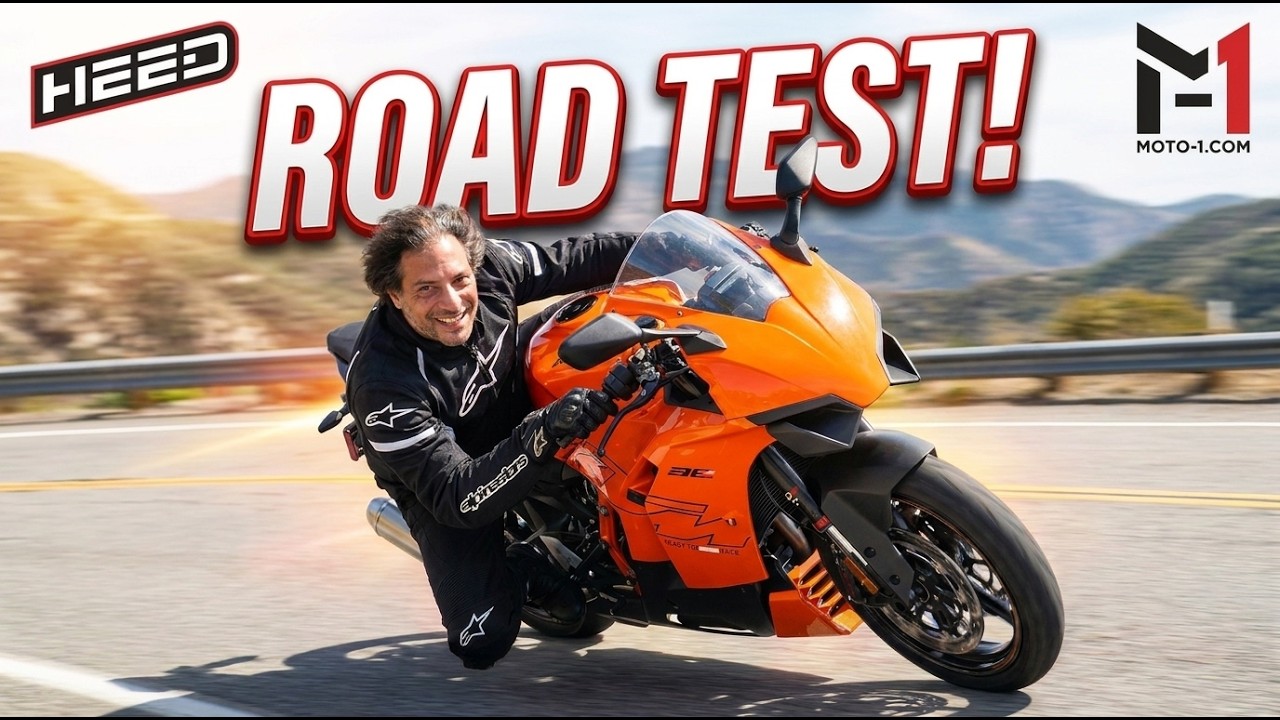
2026 KTM 990 RC R Road Test
Austrian sportbike built for real-world roads.
-
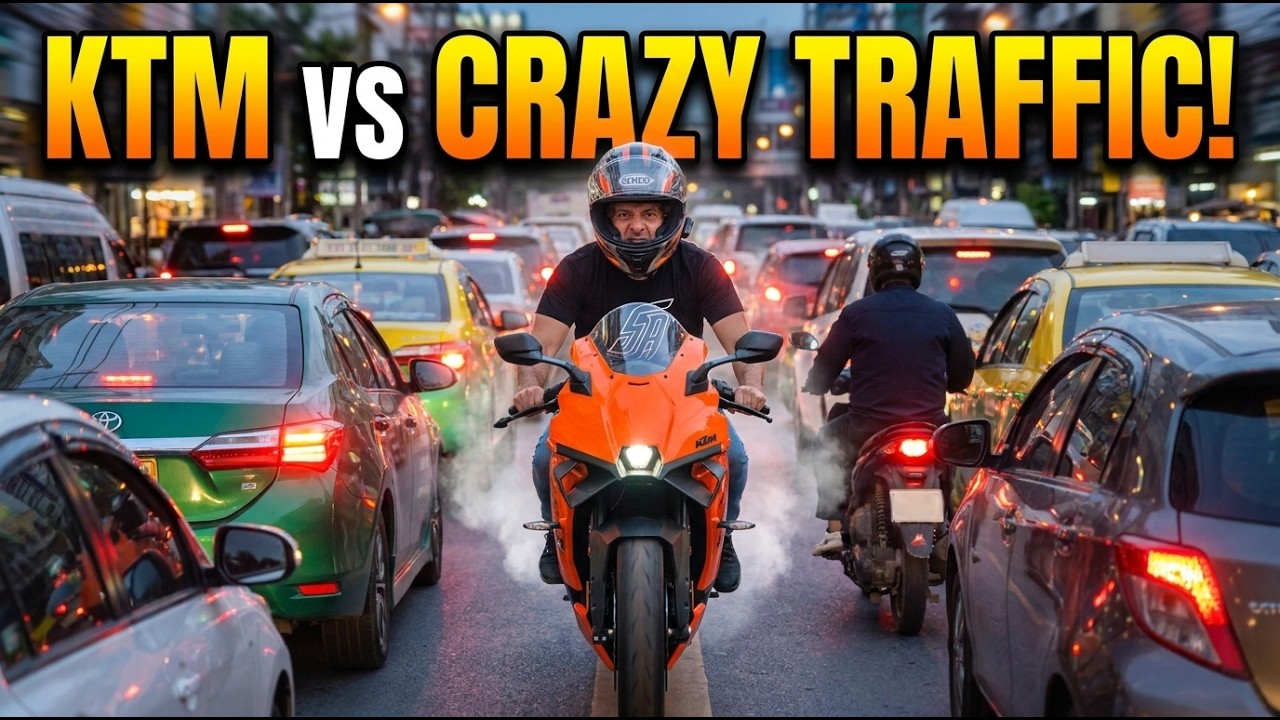
2026 KTM 990 RC R Real MC Commute
2026 KTM 990 RC R: Daily Commute.
-
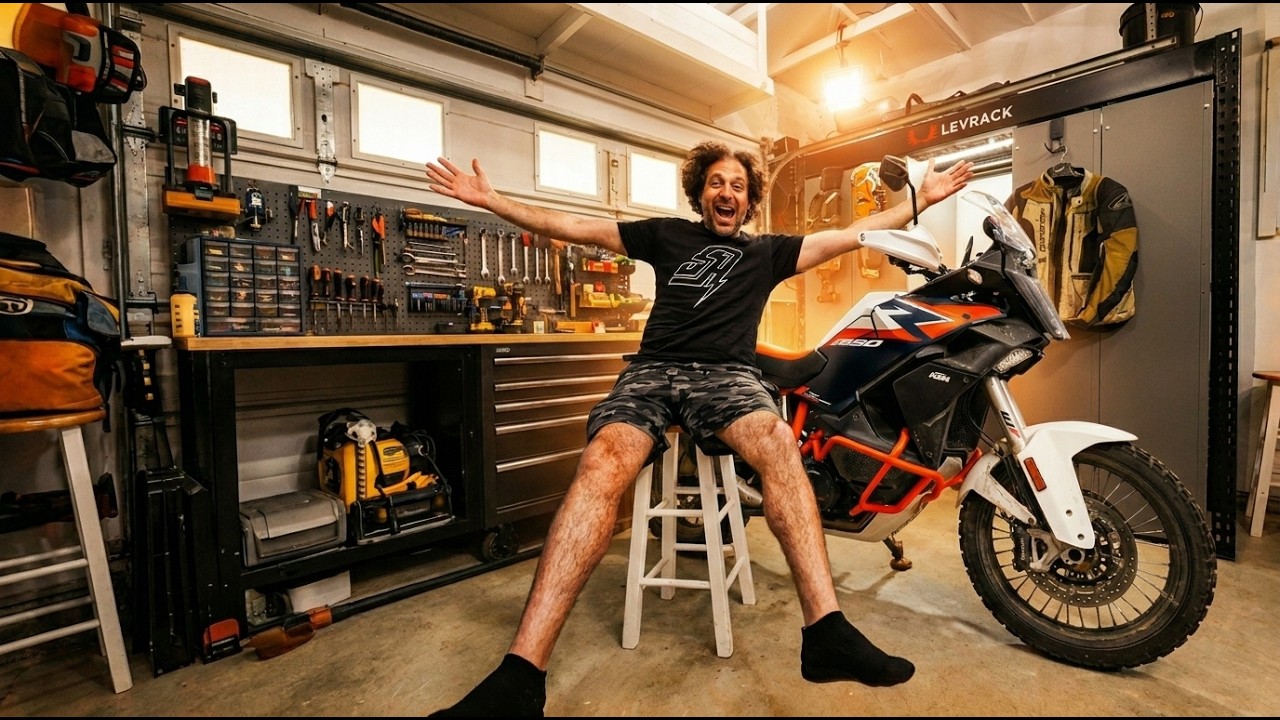
KTM 1390 Super Adventure R Final Review
Final thoughts on the 2026 KTM 1390 Super Adventure R after our on and off-road review series.
-
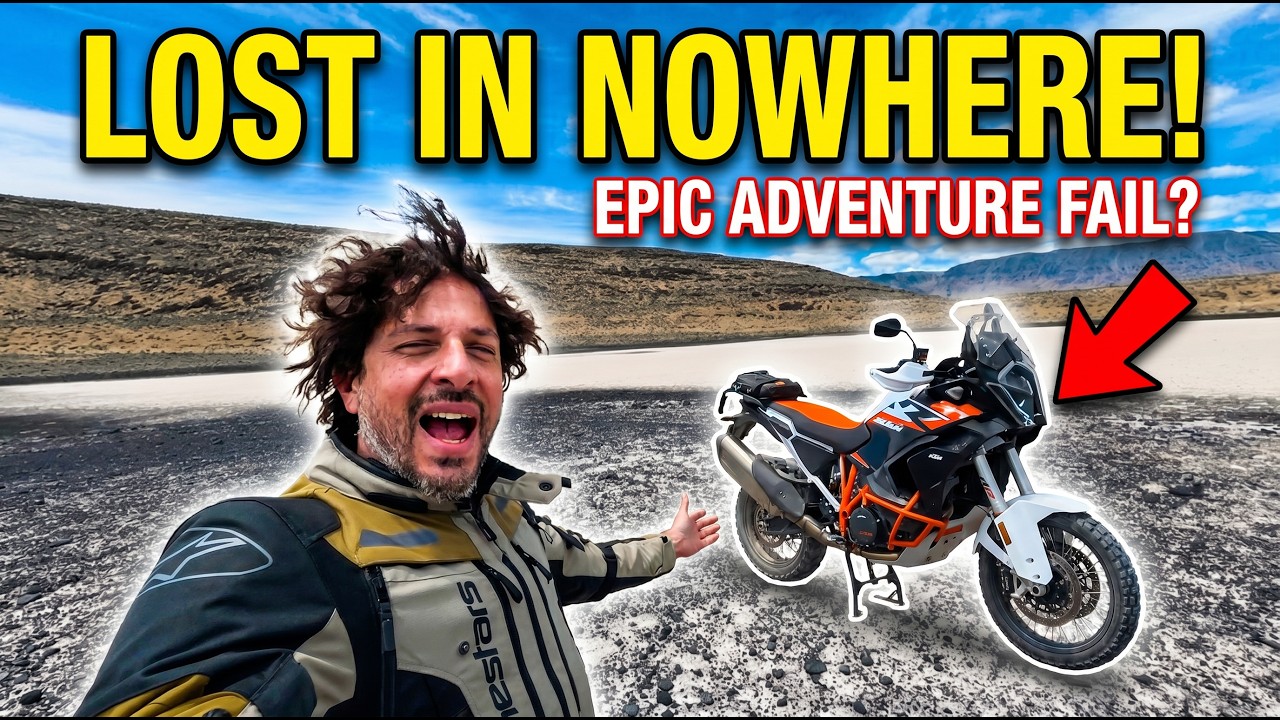
2026 KTM 1390 Super Adventure R Off-Road Review
The ultimate heavy-hitter for limitless adventure touring.
-

2026 KTM 1390 Super Adventure R Review: Taming the Oregon Desert
We Test KTM’s Newest Heavyweight ADV King Where the Asphalt Ends.
-
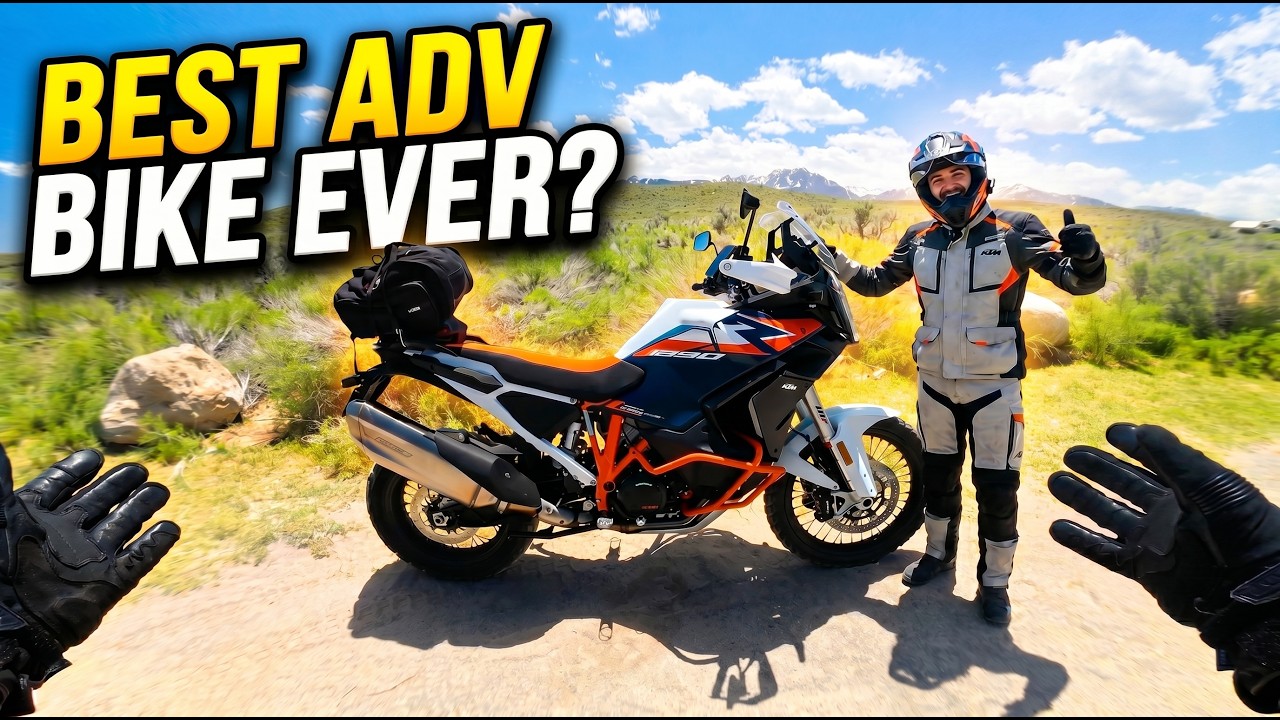
2026 KTM 1390 Super Adventure R Street Review
We saddle up on the road on KTM’s 1390 Super Adventure R.
-
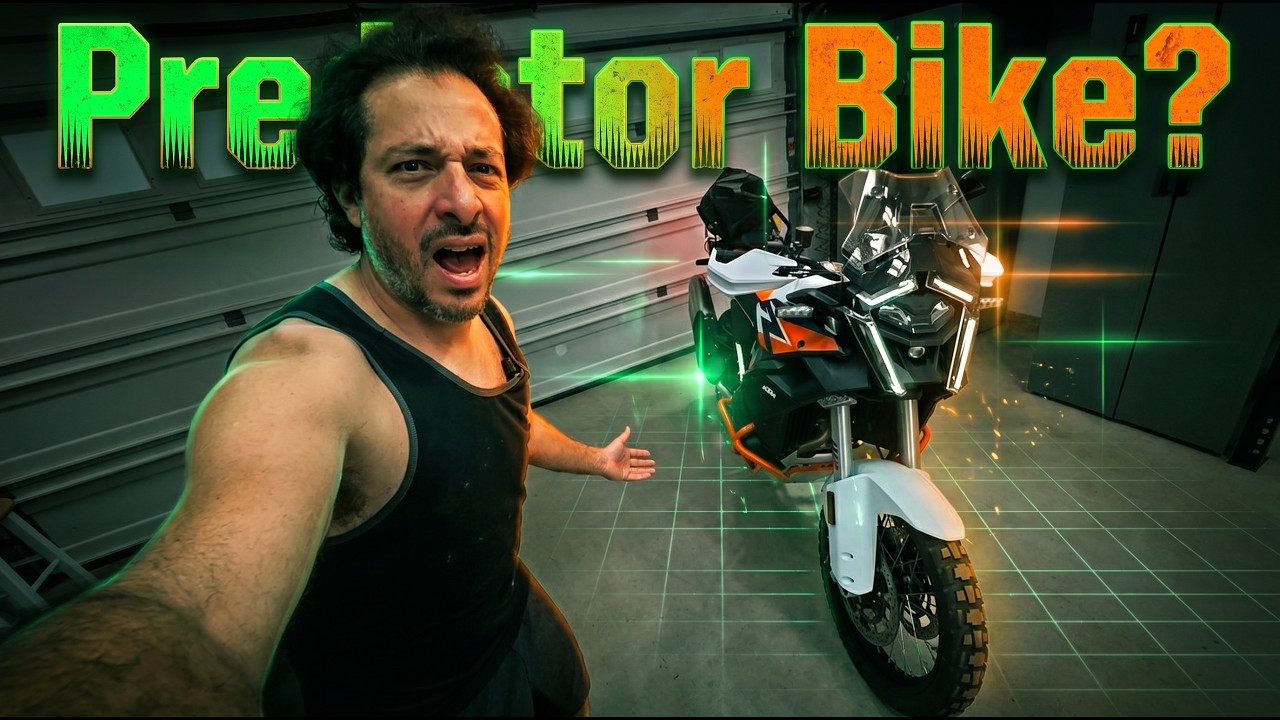
2026 KTM 1390 Super Adventure R Is Built for Big Miles
A run down of KTM’s all-new for ’26 1390 Super Adventure R ADV.
-
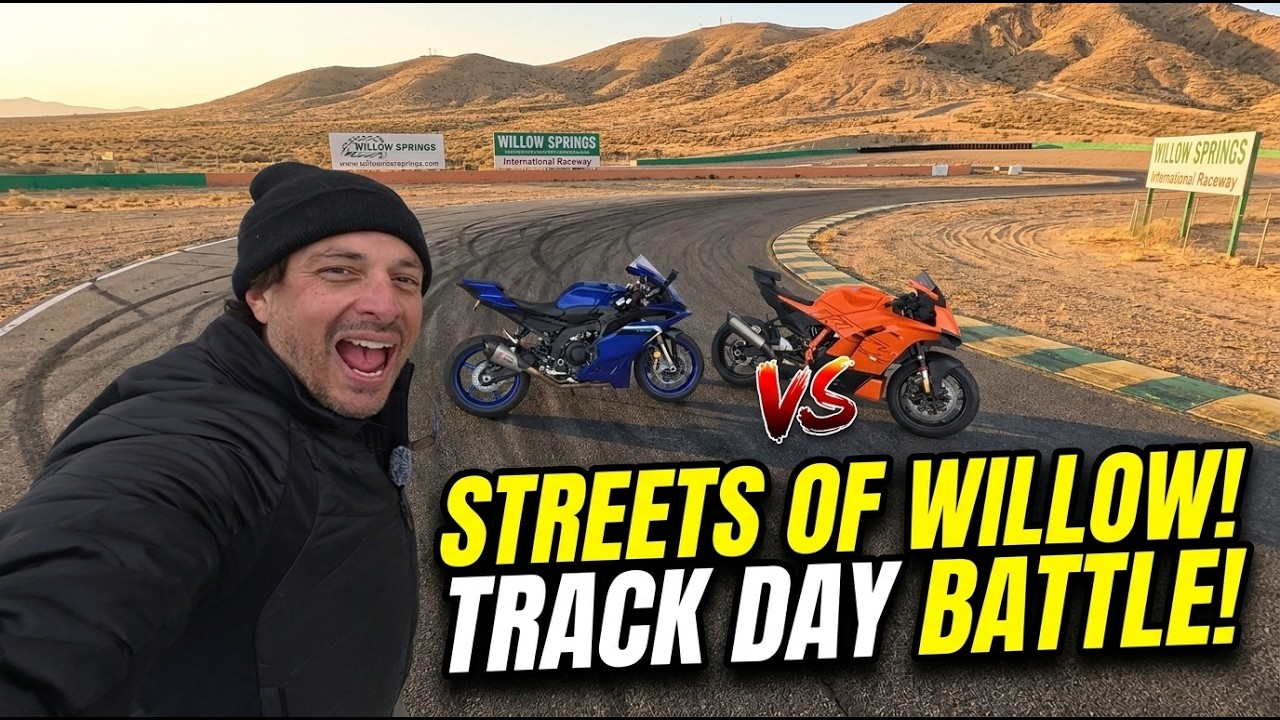
2026 KTM RC 990 R vs. Yamaha YZF-R9
Middleweight-plus sportbikes battle for trackday supremacy.
-
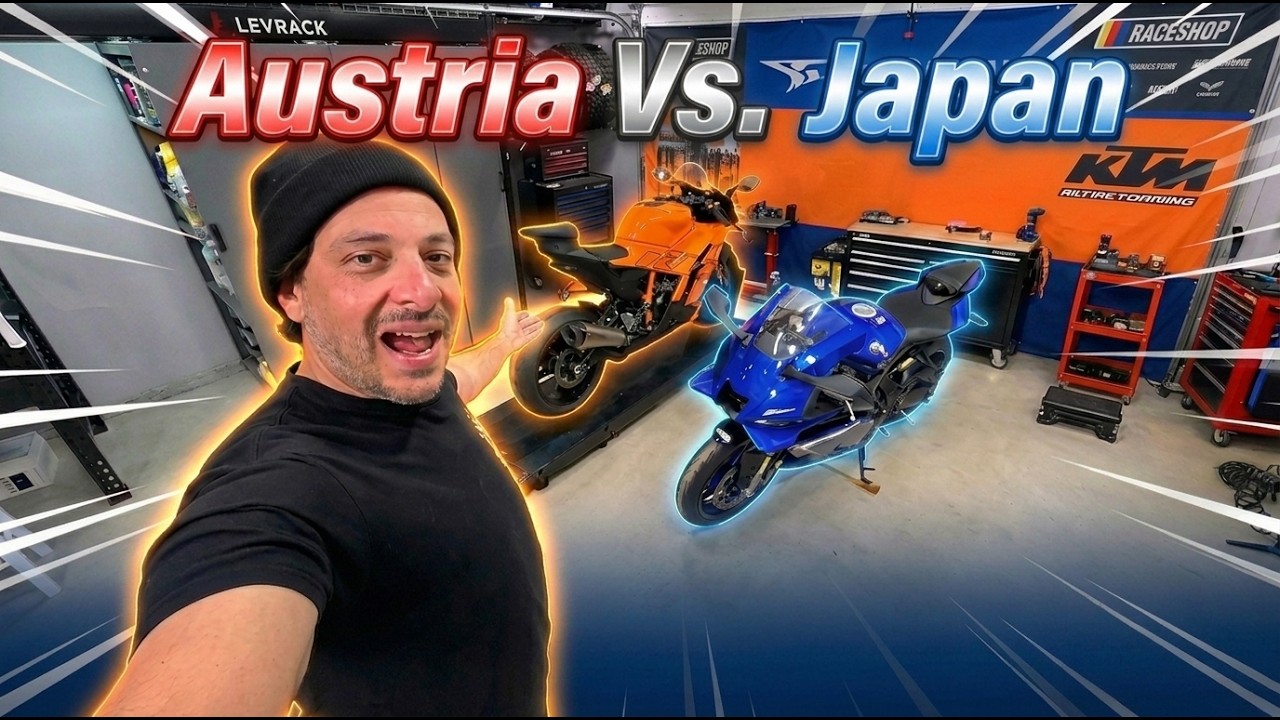
KTM RC 990 R vs. Yamaha YZF-R9
Premium middleweight plus-size sport bikes battle it out.
-
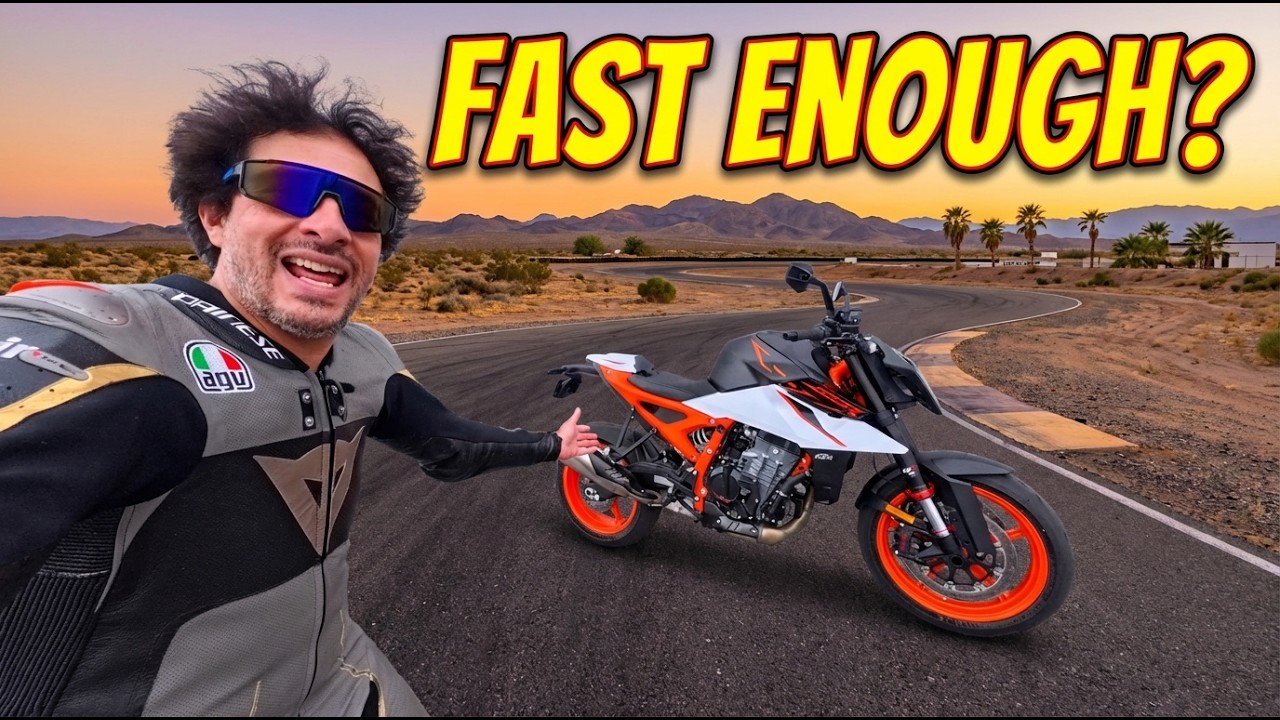
2026 KTM 990 Duke R Track Review
Test riding the 2026 KTM 990 Duke R at Chuckwalla Raceway.
-

2026 KTM 990 Duke R Second Ride
The 2026 KTM 990 Duke R: The middleweight king of Chuckwalla?!
-
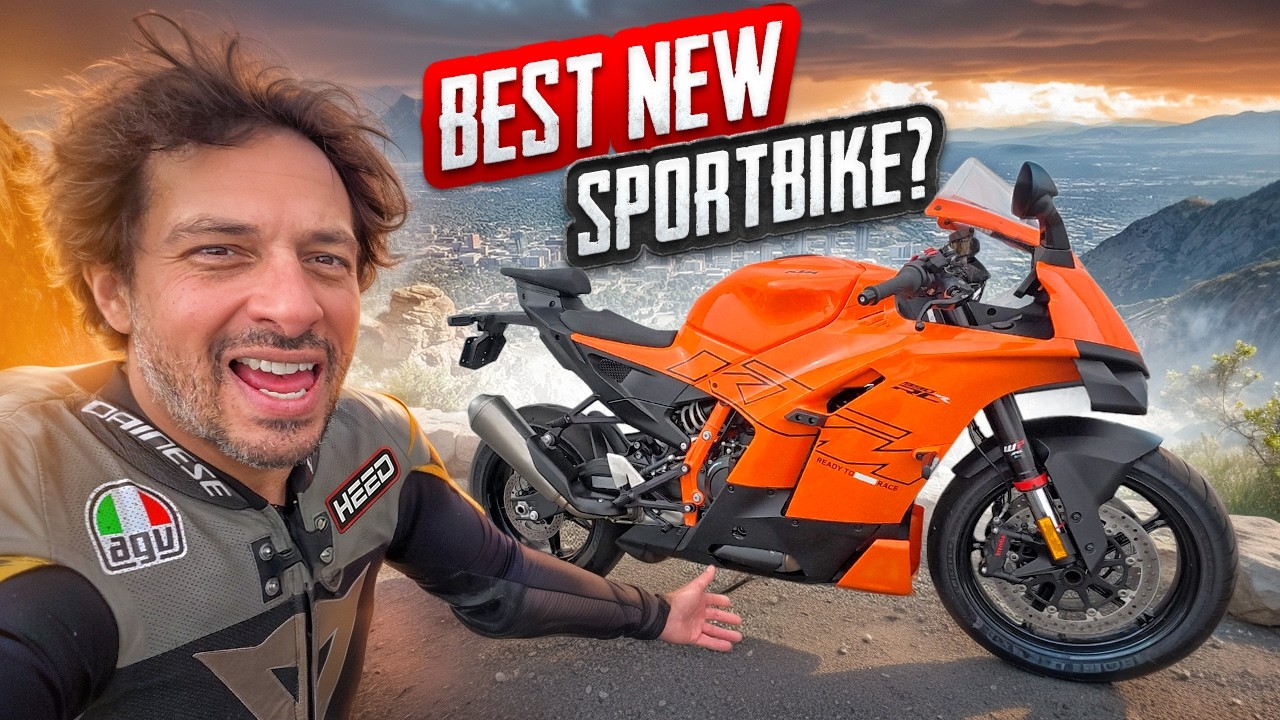
2026 KTM RC 990 RCR Review
2026 KTM RC 990 RCR: MotoGP Style at Chuckwalla Raceway.
-
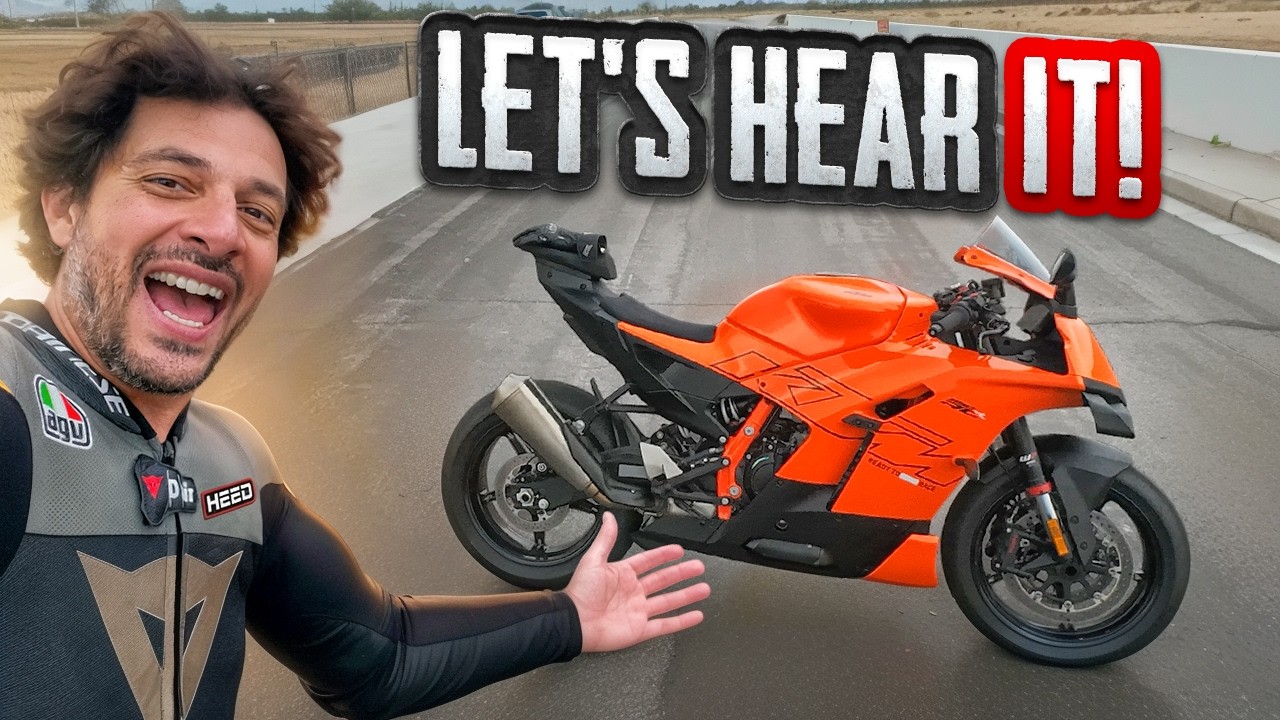
2026 KTM 990 RC R First Ride
2026 KTM 990 RC R: MotoGP tech hits U.S. streets starting at $13,949.
-
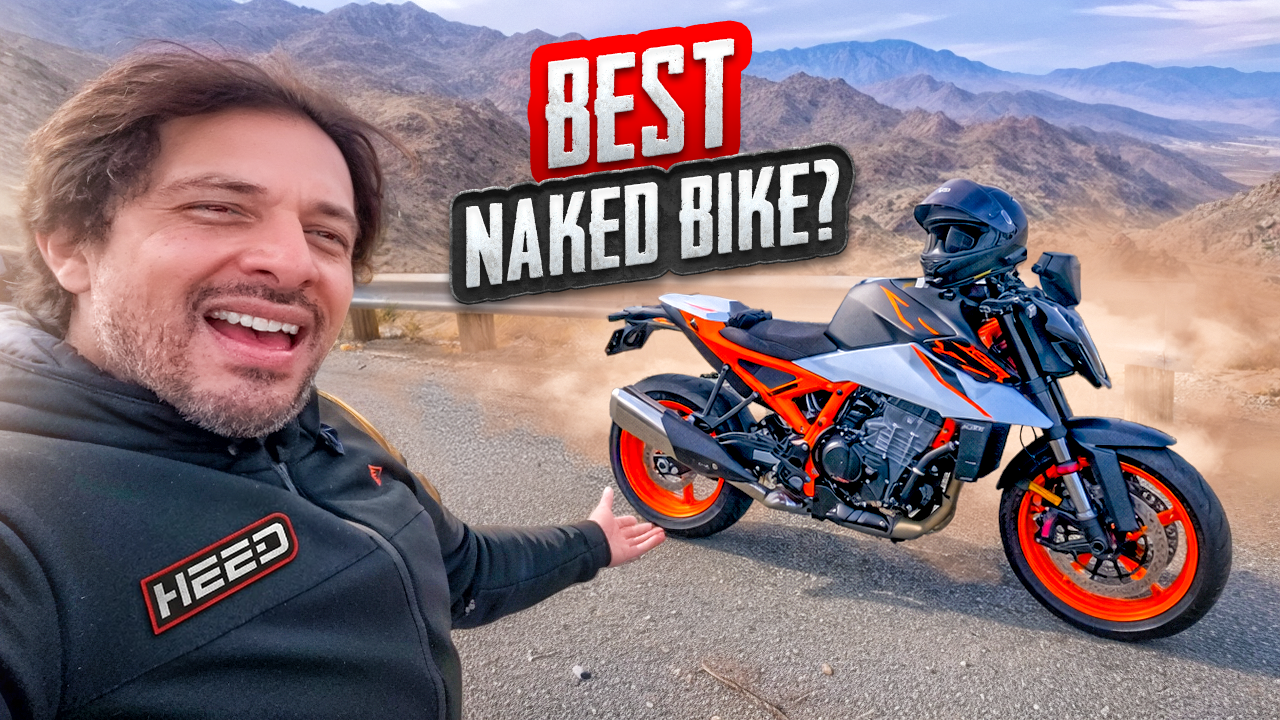
2026 KTM 990 Duke R Review and First Ride
2026 KTM 990 Duke R: The Punisher is finally here.
-
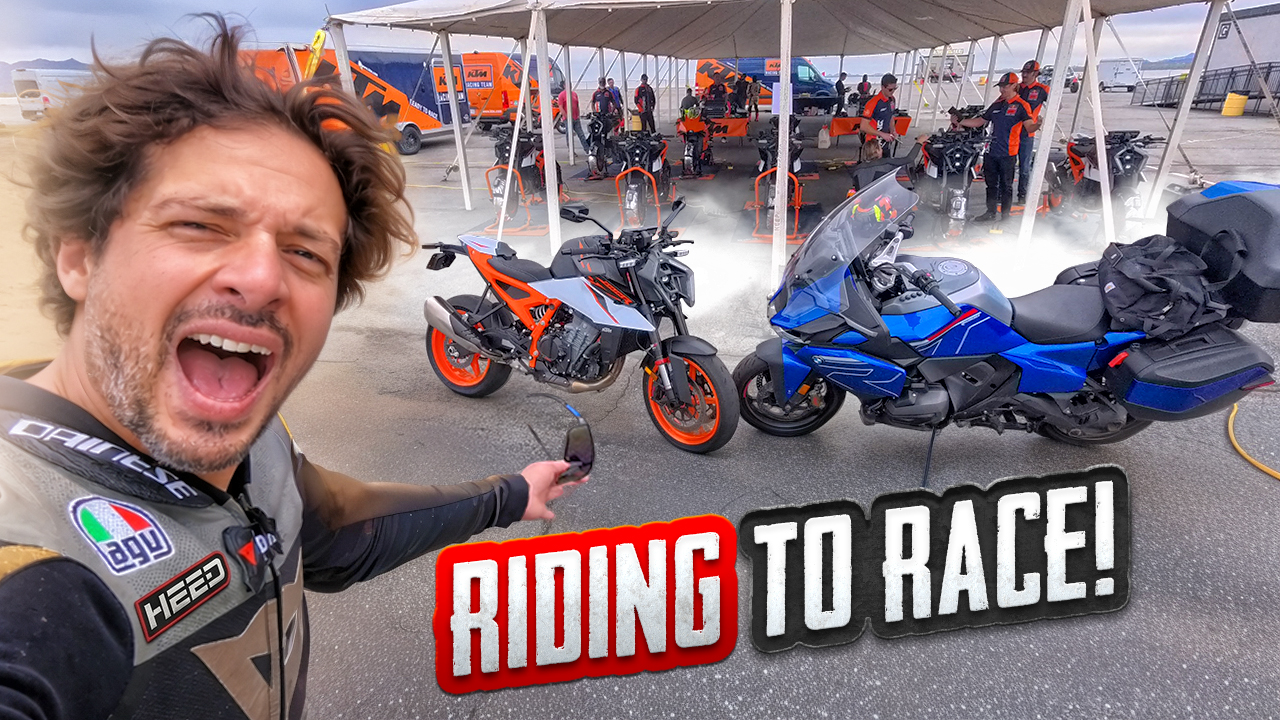
2026 KTM 990 Duke R First Ride
A fun preview of our official review of the KTM 990 Duke R.
-
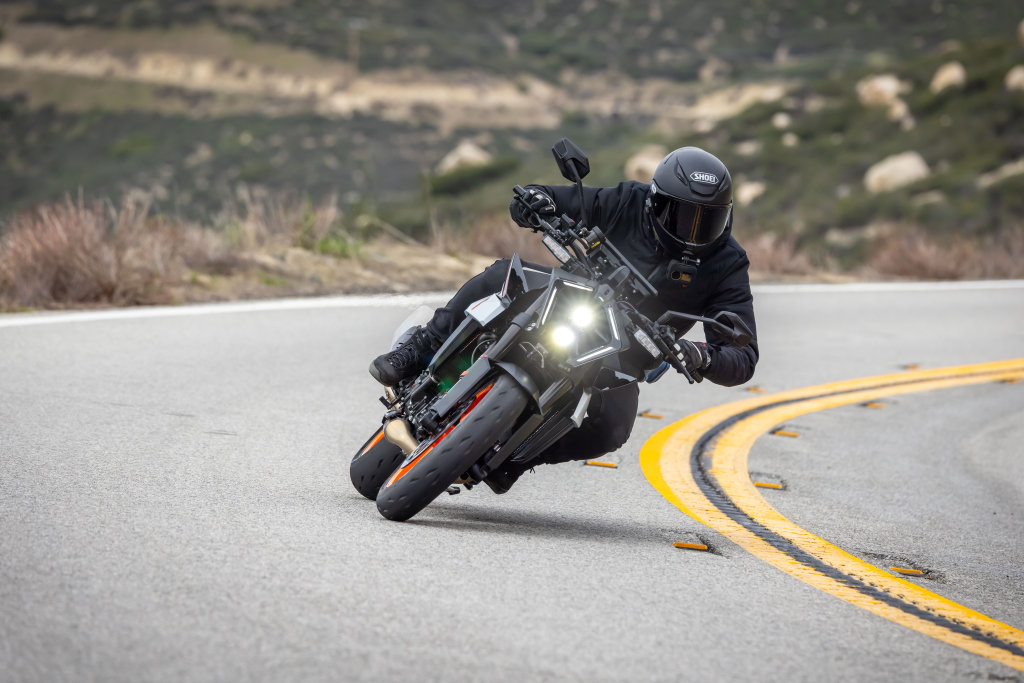
Ripping to Palm Springs: The 2026 KTM 990 Duke R First Ride
Shredding Highway 74: KTM 990 Duke R Hits Palm Springs!
-
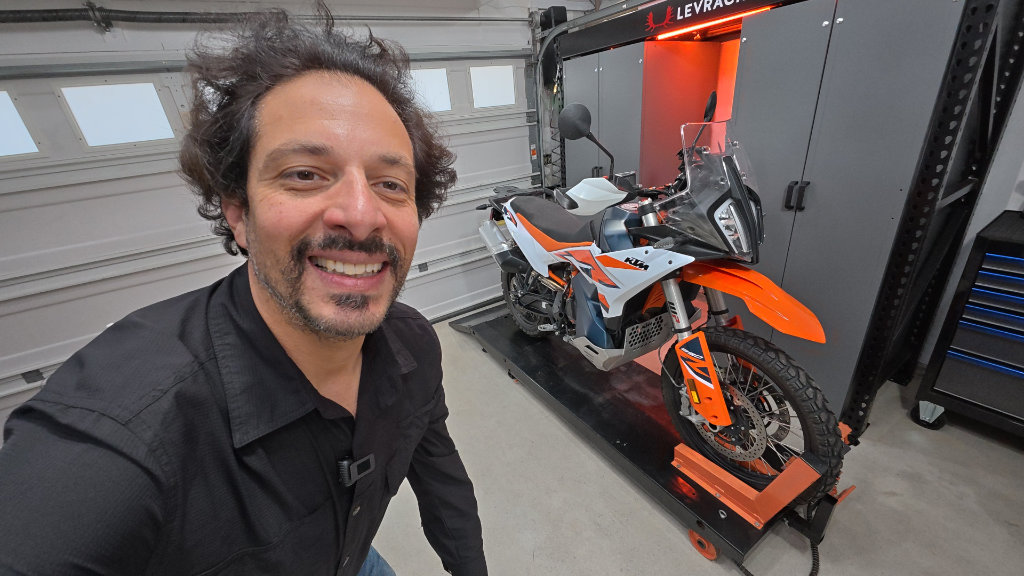
KTM 890 Adventure R Review
KTM 890 Adventure R: The King of Middleweight Dirt.
-
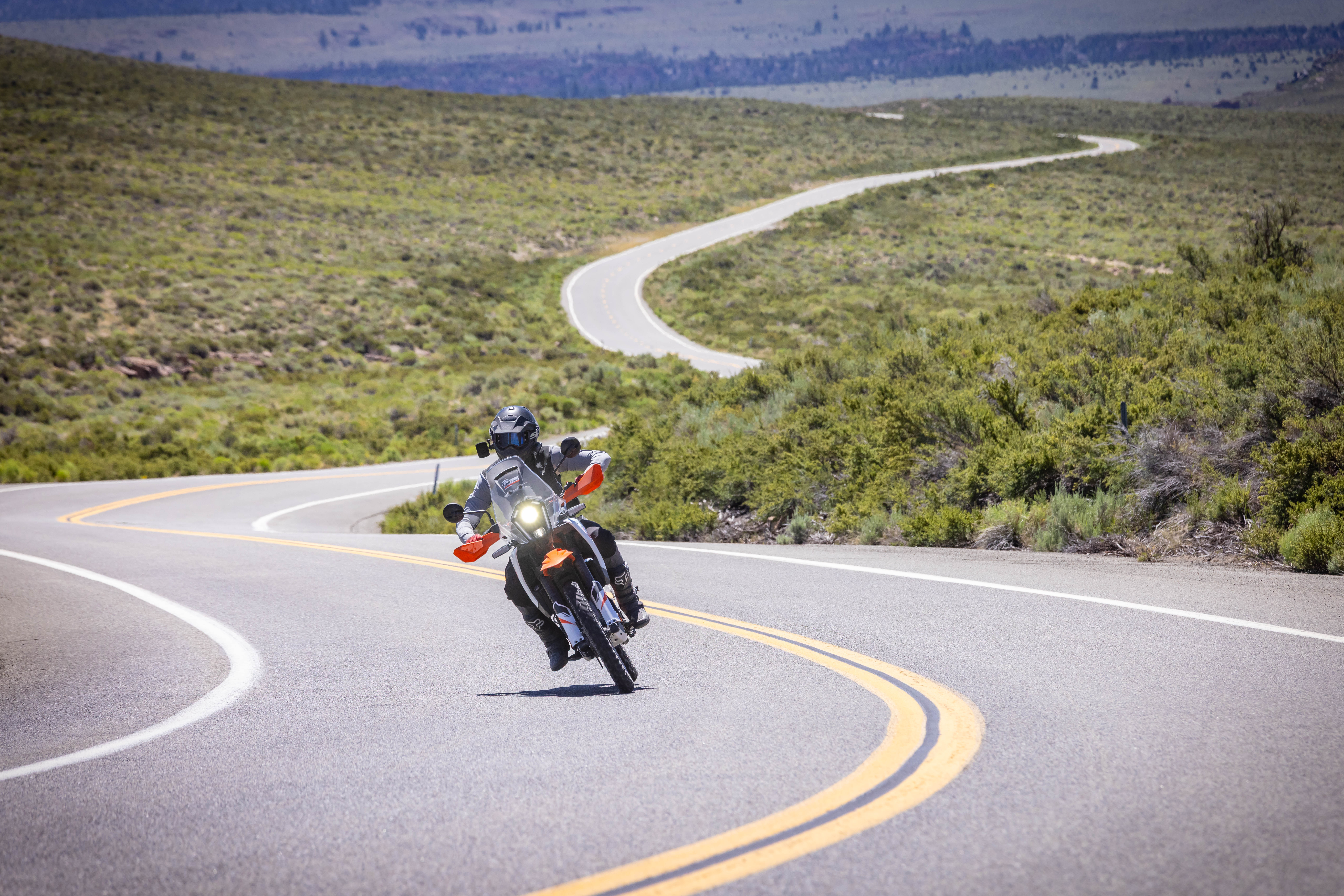
2025 KTM 390 Adventure R Review and Walk Around
KTM has officially unveiled the 2025 390 Adventure R, and it’s clear the brand is serious about dominating the lightweight adventure segment.
-
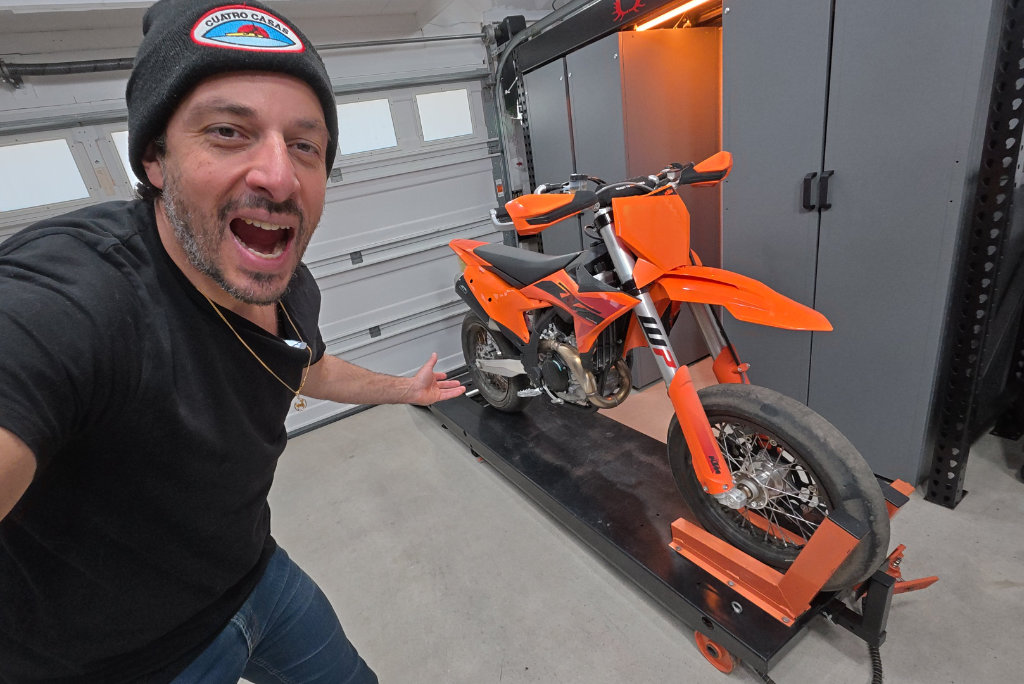
2025 KTM 450 SMR: Everything You Need to Know
This is what you need to know about the KTM 450 SMR.
-
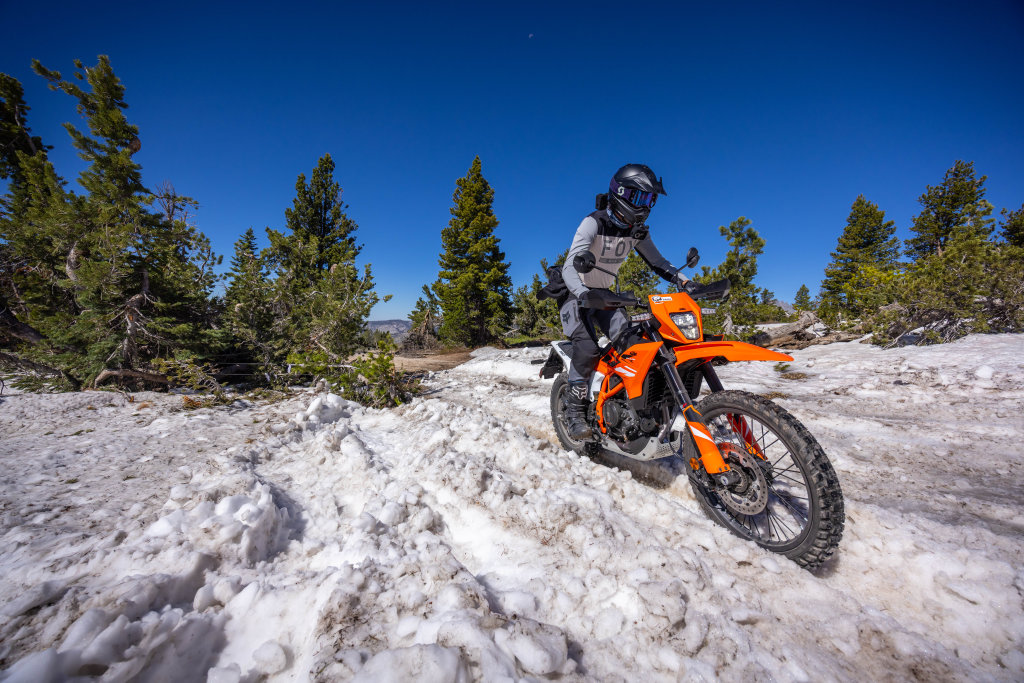
2025 KTM 390 Enduro R Walk Around Review
This is what you need to know about the KTM 390 Enduro R.