We’ve all been there: you step away from your bike at the local coffee shop, hear a sickening clack, and turn around to see your $900 motorcycle helmet tumbling across the asphalt like a rogue tumbleweed. Your heart drops straight into your riding boots. Is it trash? Do you need to sell a kidney to buy a replacement immediately?
Knowing when to retire your gear is just as important as choosing the right lid in the first place. Let’s break down when it’s time to replace your motorcycle helmet, what happens when you drop it, and why fresh lid technology matters.
Related Content: Best Motorcycle Helmet Fitment Guide: How to Buy Online
1. After an Impact or Crash
This one is simple: if you are ever unlucky enough to crash and your helmet contacts the ground or a vehicle while your head is inside it, it is done.
Inside every quality helmet sits an Expanded Polystyrene (EPS) foam liner. When your head hits an obstacle, the EPS compresses to absorb energy and protect your brain. Once compressed, EPS never rebounds. It’s a one-time-use safety mechanism. Even if the outer shell looks pristine, the inner foam structure has done its duty and cannot protect you a second time.
2. The Accidental Drop: Panic vs. Reality
Did you bump your helmet off the seat onto the driveway? Take a deep breath.
When your head isn’t inside the lid, the helmet weighs only about 3 to 4 pounds. Dropping an empty helmet generally means there isn’t enough mass to crush the internal EPS liner. In most accidental drops, your EPS remains intact.
However, you must thoroughly inspect the outer shell:
- Composite and Carbon Fiber Shells: These high-end shells offer incredible rigidity and weight savings, but they can suffer invisible structural fractures or delamination when impacted.
- Polycarbonate Shells: Polycarbonate tends to flex more on minor impacts, but deep gouges or cracks still mean game over.
If you only scraped a top vent or scratched a face shield, most premium helmet manufacturers sell replacement cheek pads, vents, and visors so you can repair the exterior without replacing the whole unit.
3. The 5-Year Rule and the “Born-On” Date
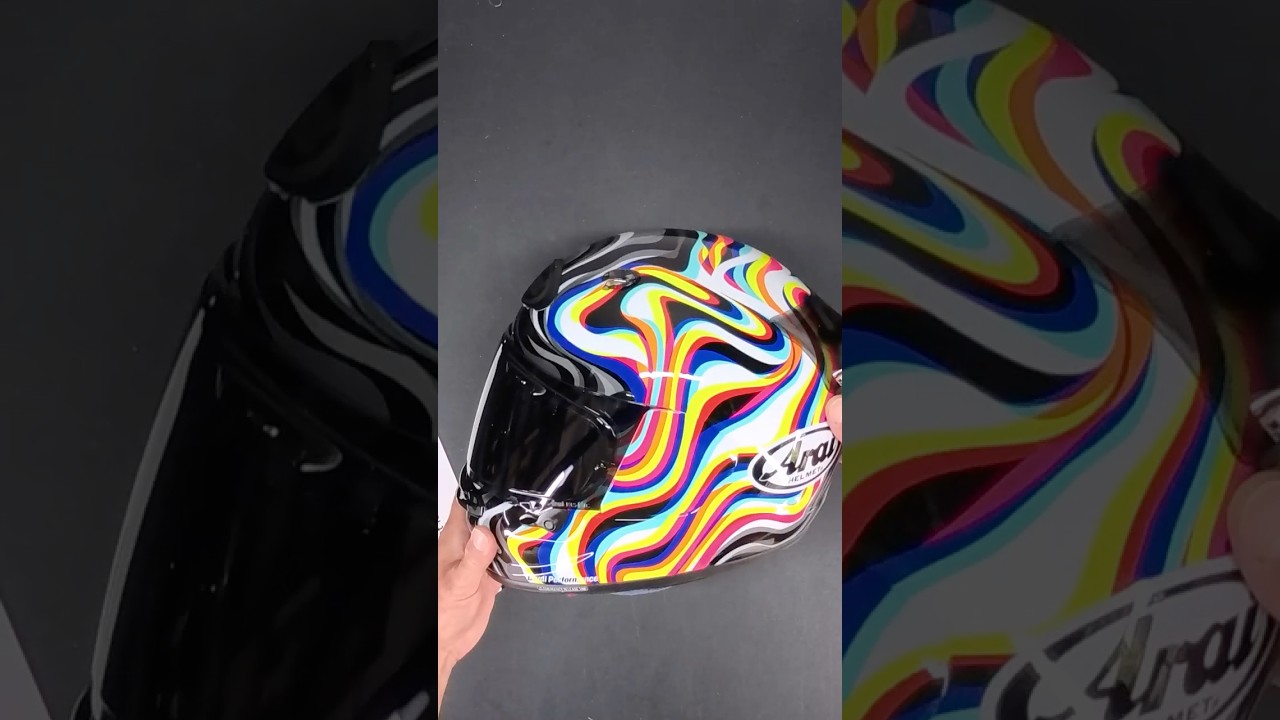
Most helmet manufacturers recommend replacing your helmet every 5 years. Premium brands like Arai even laser-etch or stamp a “born-on” date directly onto the D-ring or under the comfort liner.
Crucial detail: The 5-year clock doesn’t automatically start the day the helmet rolls off the factory assembly line. Helmets don’t degrade while sitting inside a sealed box in a temperature-controlled warehouse. The timer truly starts when you unbox it and start wearing it.
Once active, sweat, natural skin oils, hair products, UV light, bug splatter, and environmental grime gradually break down the comfort liners and adhesive materials over roughly five years of regular use. If you sit on a brand-new helmet in a box for two years before wearing it, you still get a full five years of active riding life out of it.
(Note: If you plan to go road racing, sanctioning bodies like AHRMA or MotoAmerica usually strictly enforce a strict 5-year limit based solely on the manufacturing date stamped inside.)
4. Tech Upgrades, Safety Certifications, and Style
Sometimes you don’t need to replace a helmet due to damage—you just want better gear. Helmet technology evolves rapidly:
- Safety Certifications: Updated standards like ECE 22.06 and FIM homologation enforce tougher impact tests, including rotational acceleration testing.
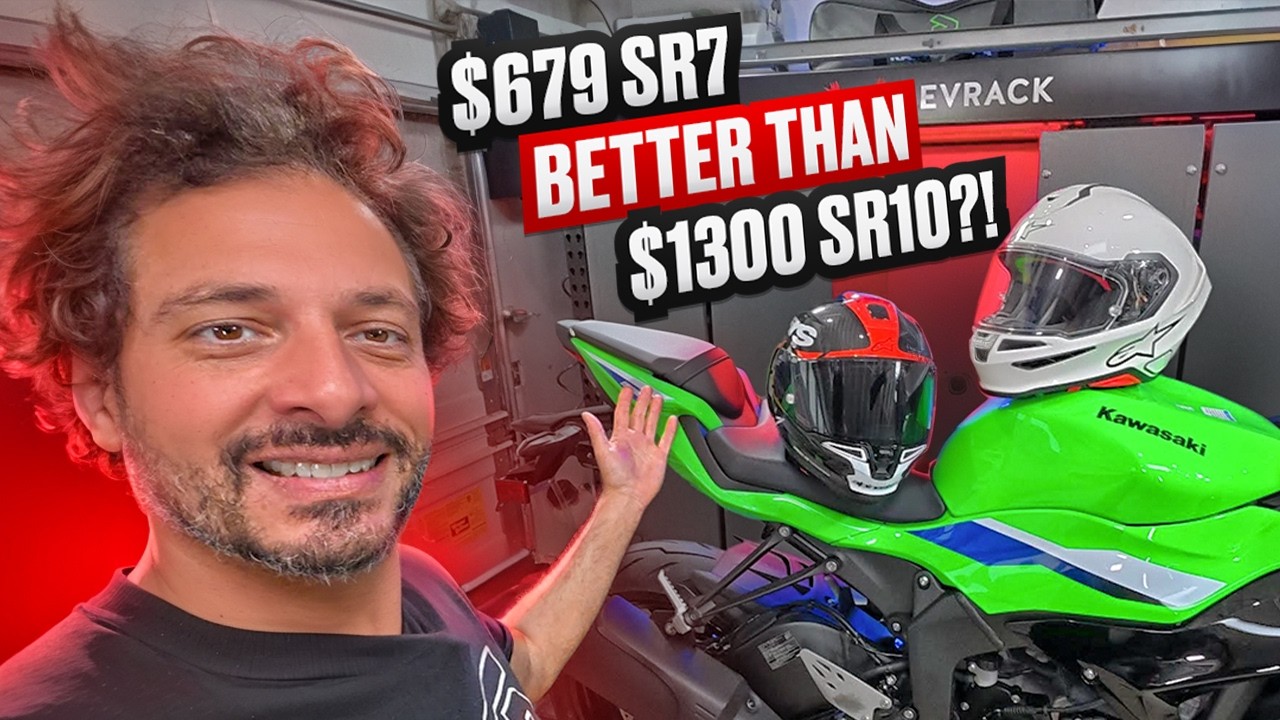
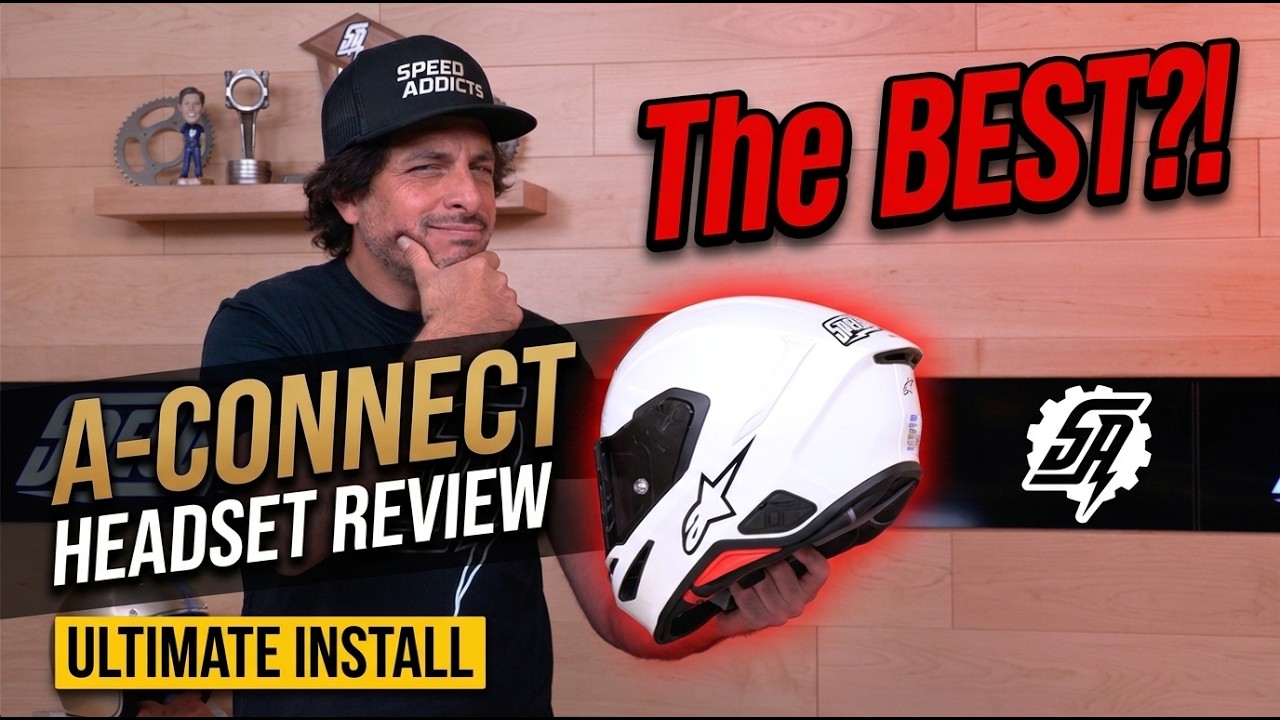
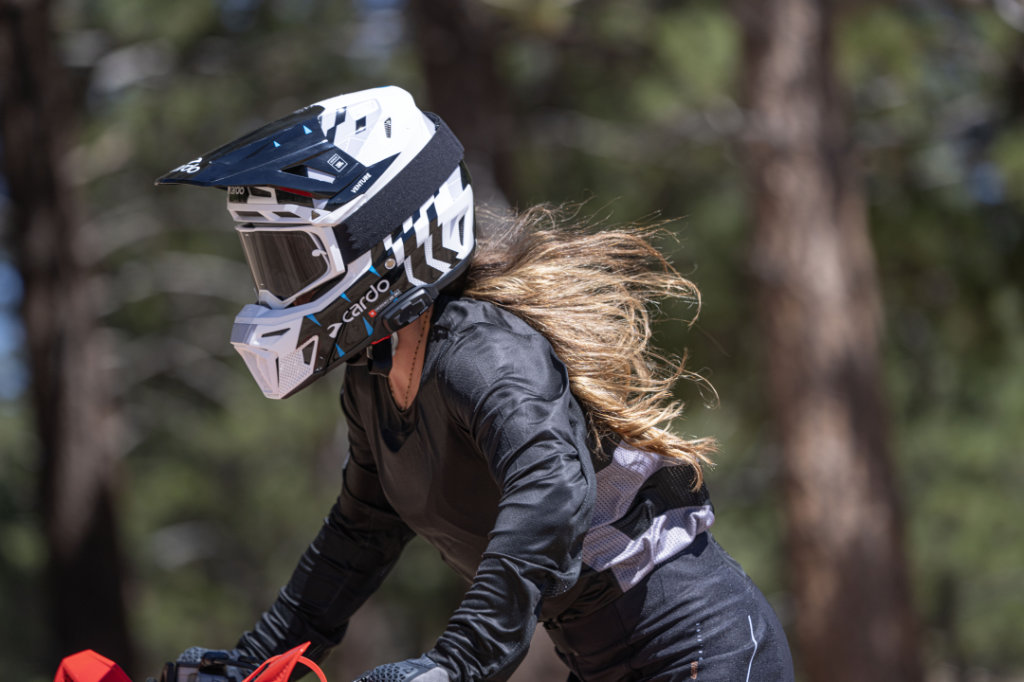
- Modern Features: Newer lids offer seamlessly integrated comms setups (like Cardo systems), improved Pinlock anti-fog integration, and superior wind-tunnel-tested aerodynamics (such as the high-speed spoilers found on the Alpinestars Supertech R10).
- Fresh Graphics & Comfort: Replacing old cheek pads can refresh an older lid, but nothing beats a crisp, ultra-quiet, brand-new helmet that perfectly matches your fresh ride.
The Bottom Line
Your helmet is the single most crucial piece of safety equipment you own. Whether it’s time to retire a lid that’s seen one too many seasons, replace a cracked shell, or upgrade to the latest impact protection and integrated comms, keeping your brain bucket fresh is non-negotiable. Inspect your equipment regularly, check your born-on date, and never compromise when it comes to head protection.
Got questions about helmet fitment, replacement liners, or picking the right certification for your riding style? Head over to SpeedAddictsTV for our full library of gear breakdowns, or drop a comment below to let us know what helmet topics you want us to cover next!