Finding the right motorcycle helmet online shouldn’t feel like a high-stakes guessing game. Whether you are splitting lanes on the Interstate 5 or cruising through Orange County, wearing a helmet that fits correctly is the single most important safety decision you can make.
Step 1: Measure Your Head Circumference at Home
Before browsing online inventories, skip the guesswork and find your baseline measurement. KYT helmets, among other leading brands, feature individual sizing charts because a “Medium” in one brand might feel like a “Large” in another.
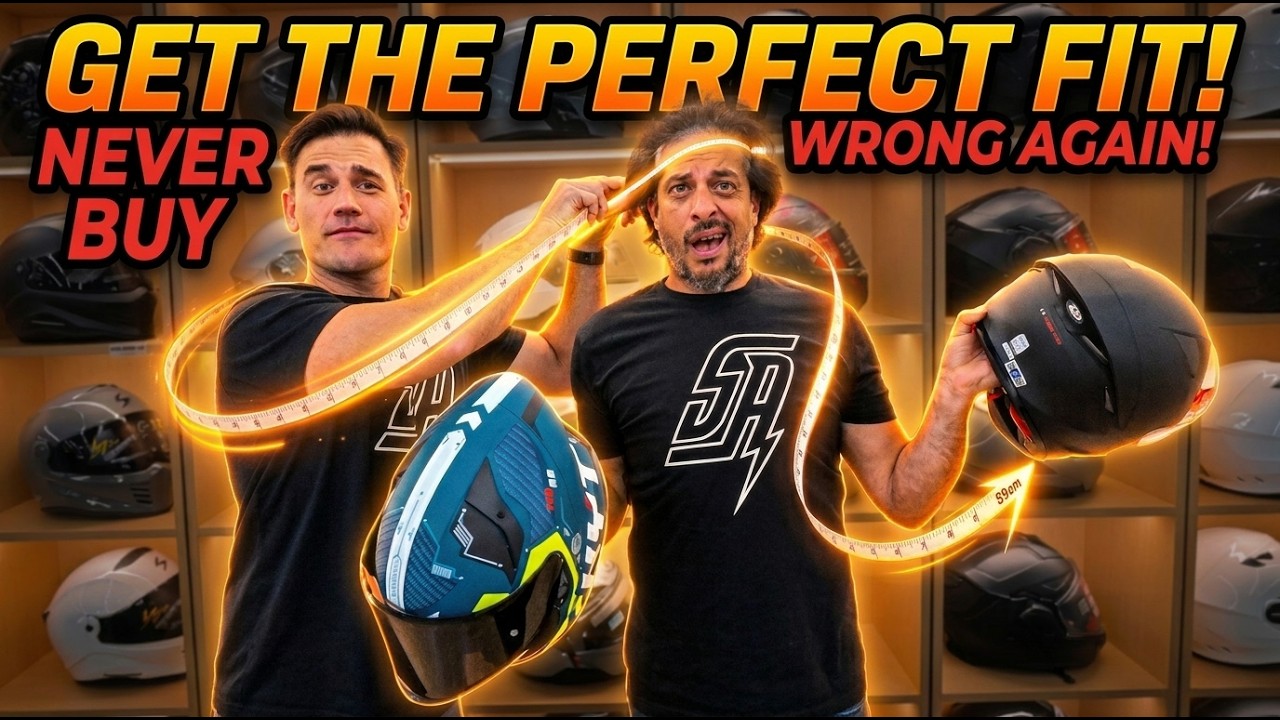
- The Tool: Ideally, use a flexible tailor’s tape. If you don’t have one in your garage, grab a piece of string or butcher’s twine.
- The Placement: Wrap the tape or string around your head, positioning it just above your eyebrows at the front and stretching to the furthest point at the back of your skull.
- The Reading: Lay your string flat against a standard tape measure or ruler. Note the measurement in both centimeters and inches. For example, a 57 cm reading places you squarely in a size Medium for the popular KYT TT-Revo.
Step 2: Identify Your Head Shape
Your head circumference is only half the battle; structural shape dictates your long-term comfort.
- Intermediate Oval: Roughly 90% of motorcycle helmets sold in the United States cater to this shape, which is slightly longer front-to-back than side-to-side.
- Outliers (Round Oval or Long Oval): If standard helmets give you immediate forehead pressure or feel loose on the sides, you might have an outlier shape. In these instances, consulting a specialized customer support team can save you multiple return shipments.
Step 3: Perform the 30-Minute Living Room Test
Once your package arrives, the real evaluation begins. Do not remove the tags, and don’t fire up your bike just yet—once you ride in it, it’s officially yours. Strap the helmet on, secure the D-rings, and sit on your couch for 30 minutes.
What a Proper Fit Looks Like:
- The Chipmunk Cheek Effect: The interior foam should compress your cheeks firmly. Expect a 10% break-in period over time as the low-density foam molds to your face, so it needs to start quite snug.
- Uniform Crown Pressure: The helmet should envelope the crown of your head securely without causing distinct “hot spots” or localized pain.
Red Flags: Is Your Helmet Too Big or Too Small?
| Fit Scenario | Physical Symptoms | Safety & Comfort Risks |
| Too Big | Slips side-to-side when shaking your head; slides down over your eyebrows; fingers easily slide into the temple area. | Generates excessive wind noise; lifts at high speeds; shifts during an impact, compromising protection. |
| Too Small | Sits too high on the forehead; fails to fully engulf the skull; causes pinching or immediate localized pain. | Induces severe headaches on longer rides; leaves the lower jaw or base of the skull exposed. |
Step 4: Essential Helmet Upgrades for SoCal Riders
Once the physical fit is dialed in, customized accessories can elevate your daily commute.
- Tinted and Iridium Visors: Most premium lids ship with a clear face shield. If you’re tackling bright daylight conditions, swapping to a dark smoke or a reflective iridium shield cuts glare significantly. Keep in mind that these are strictly for daytime use; swap back to clear once the sun dips below the Pacific.
- Pinlock Anti-Fog Inserts: Don’t let morning coastal fog compromise your vision. A Pinlock lens mounts directly to the inside tabs of your visor, creating a dual-pane window effect that stops condensation instantly.
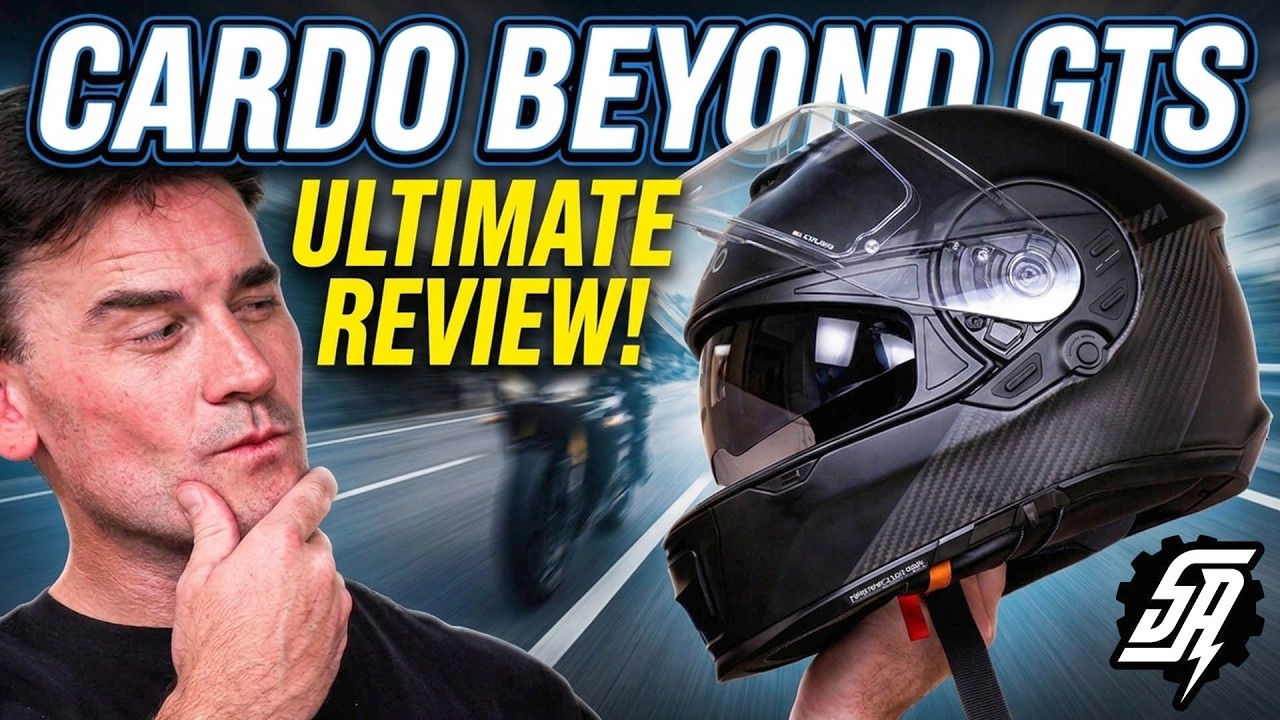
- Bluetooth Communication Systems: Integrating a system like the Cardo Packtalk Edge keeps you connected. These units allow you to stream turn-by-turn navigation, listen to music, and maintain a direct intercom link with your riding group. For an in-depth breakdown of current communication tech, read our feature on The Best Motorcycle Bluetooth Intercoms of the Year.
If you happen to be riding through Southern California, you can stop by the Speed Addicts Superstore in Orange, California, to try these models on in person and get your communications gear installed on-site.