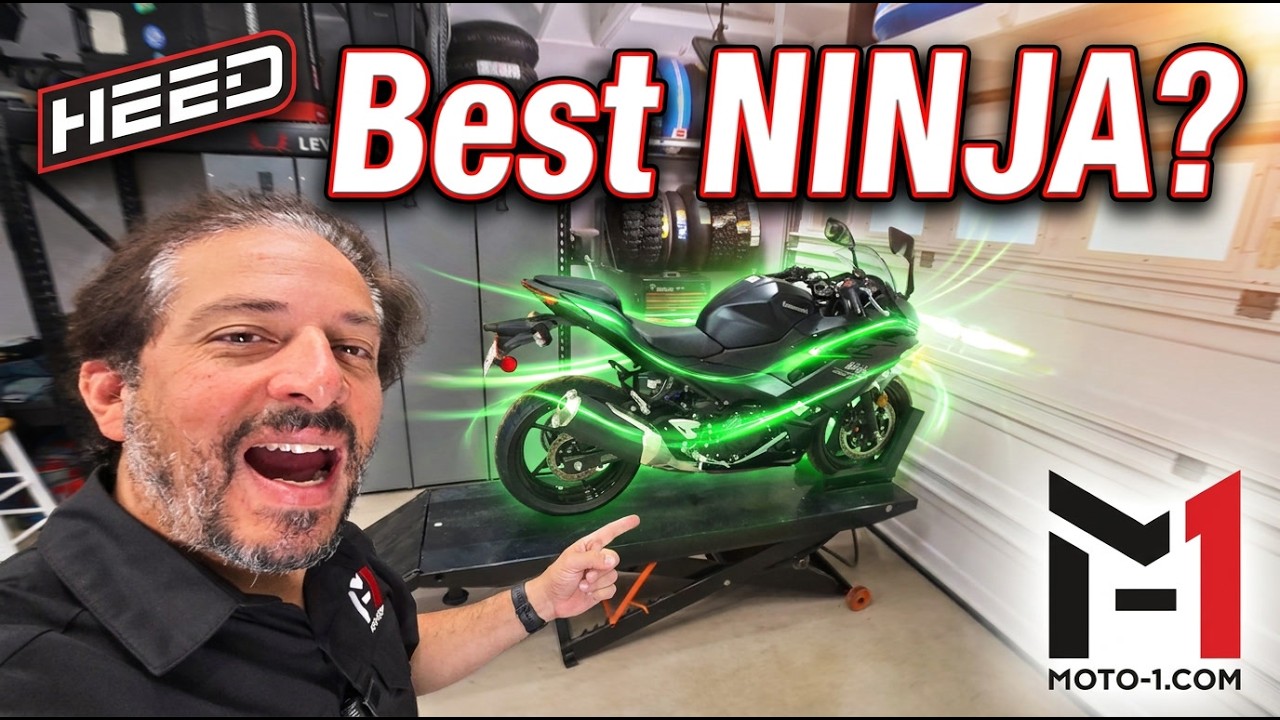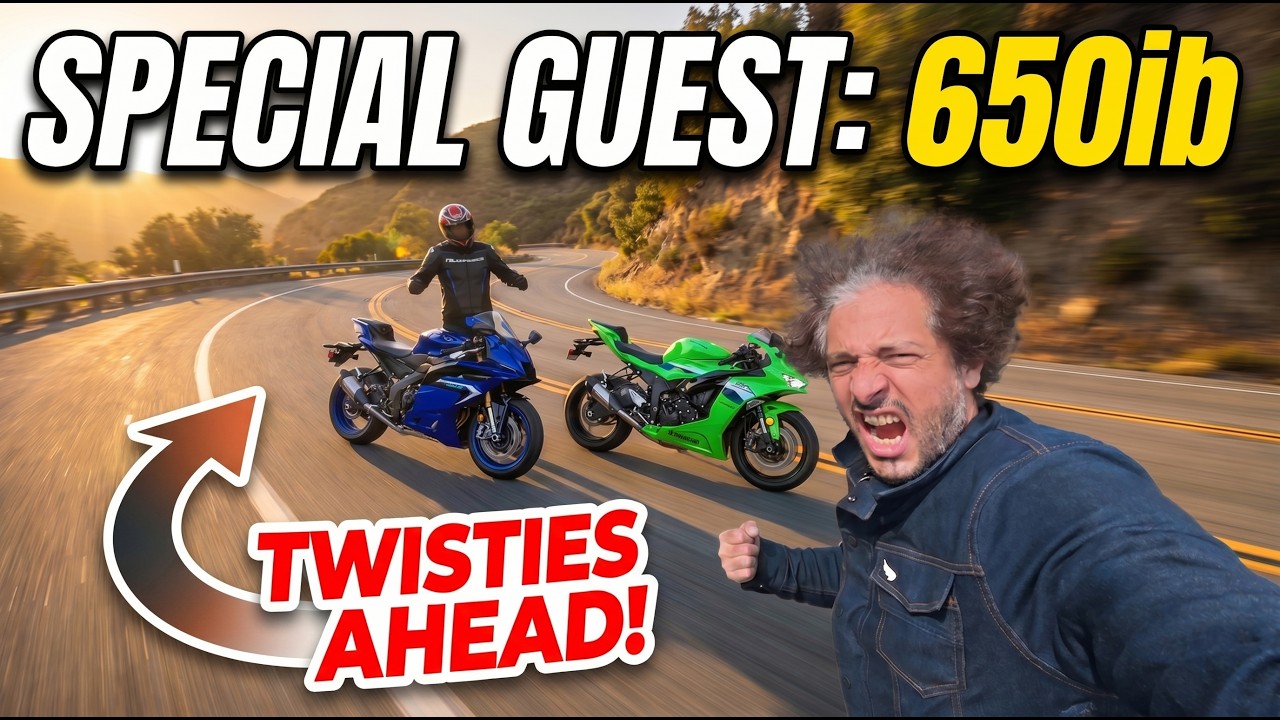
The supersport middleweight sportbike class has rarely been this interesting. In this latest face-off, Kawasaki’s long-running Ninja ZX-6R goes head-to-head with Yamaha’s new YZF-R9, a pairing that pits old-school four-cylinder character against a more torque-rich triple and a broader everyday performance envelope.
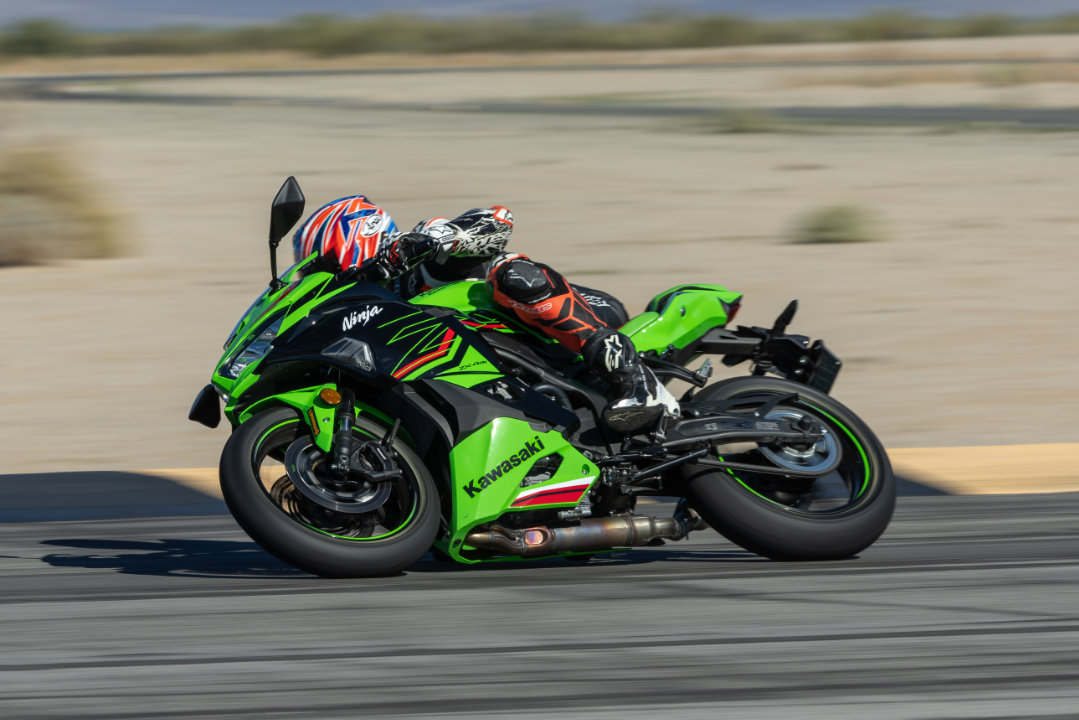
Kawasaki’s ZX-6R remains the sharper, more traditional supersport of the two. Its 636cc inline-four revs to a peak of 127 horsepower at 13,000 rpm and 52.1 lb-ft of torque at 10,800 rpm, with pricing starting at $11,399 for the non-ABS model and $12,399 for ABS, plus a $665 destination charge. Yamaha’s YZF-R9, by contrast, is built around an 890cc inline-three that delivers 117 horsepower at 10,000 rpm and 69 lb-ft at 7,000 rpm, with a base price of $12,499.
Character and Purpose
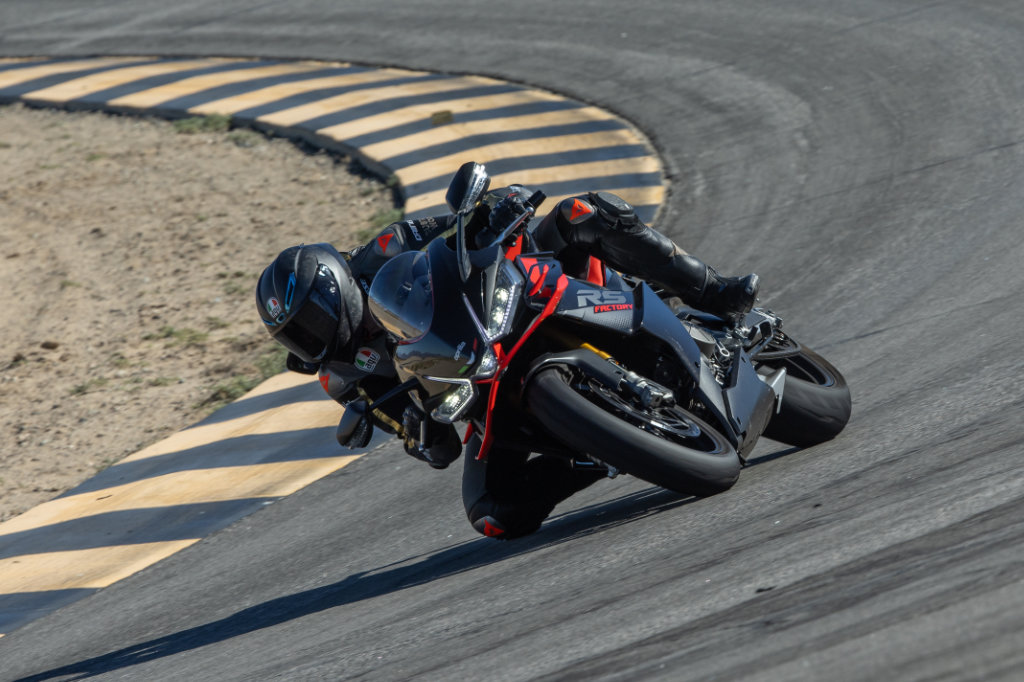
The ZX-6R is the more committed track weapon, and its engine note, top-end rush, and compact supersport ergonomics reinforce that mission. Yamaha takes a different path with the R9, using the MT-09 platform’s CP3 engine to create a more accessible, flexible sportbike that still brings serious performance and sharper bodywork, including winglets.
Related editorial: KTM RC 990 R vs. Yamaha YZF-R9
That difference matters in the real world. The Kawasaki will likely appeal most to riders who want a high-revving 600-class machine with a classic supersport feel, while the Yamaha is aimed at riders who want more torque, broader usability, and premium equipment without jumping all the way to liter-bike pricing.
Technical Specifications
| Specification | Kawasaki Ninja ZX-6R | Yamaha YZF-R9 |
|---|---|---|
| Engine | 636cc liquid-cooled inline-four | 890cc liquid-cooled inline-three |
| Valvetrain | DOHC, 16 valves | DOHC, 12 valves |
| Horsepower | Approx. 109 horsepower | Approx. 109 horsepower |
| Torque | 52.1 lb-ft @ 10,800 rpm | 69 lb-ft @ 7,000 rpm |
| Transmission | 6-speed | 6-speed, assist & slipper clutch |
| Final drive | Chain | Chain |
| Seat height | — | 32.7 in. |
| Wheelbase | — | 55.9 in. |
| Wet weight | 432 lbs (421 lbs with Yoshimura AT2 slip-on) | 430 lb (424 lbs with the AT2 system) |
| Fuel capacity | 4.5 gal | 3.7 gal |
| Base price | $11,399 non-ABS / $12,399 ABS | $12,499 |
Price
On paper, the ZX-6R undercuts the R9 at the base level, though Kawasaki’s ABS model lands slightly above Yamaha’s listed base MSRP once destination is considered. In the current market, the ZX-6R’s pricing and reputation make it one of the value leaders in the supersport category, while the R9 positions itself as a newer, more versatile premium option.
Old Supersport World vs. New
What makes this matchup compelling is not just the numbers, but the philosophy behind them. Kawasaki is defending the pure supersport formula with a proven 636cc four-cylinder, while Yamaha is trying to redefine the middleweight sportbike sweet spot with a triple that offers stronger low- and midrange thrust.
The result is a comparison that is less about a single winner and more about rider intent. If the dream is razor-edged top-end excitement and familiar supersport DNA, the ZX-6R makes the stronger case; if the goal is broader usability with modern performance and premium road-going manners, the R9 feels like the more complete package.