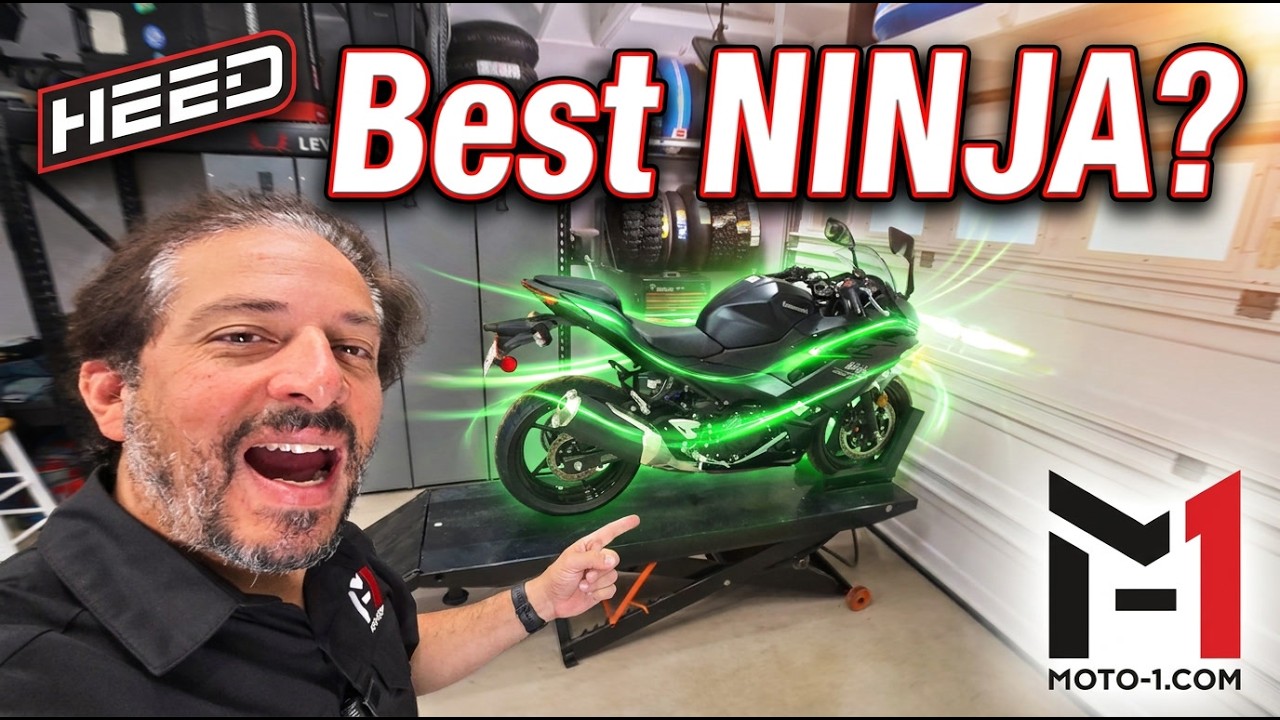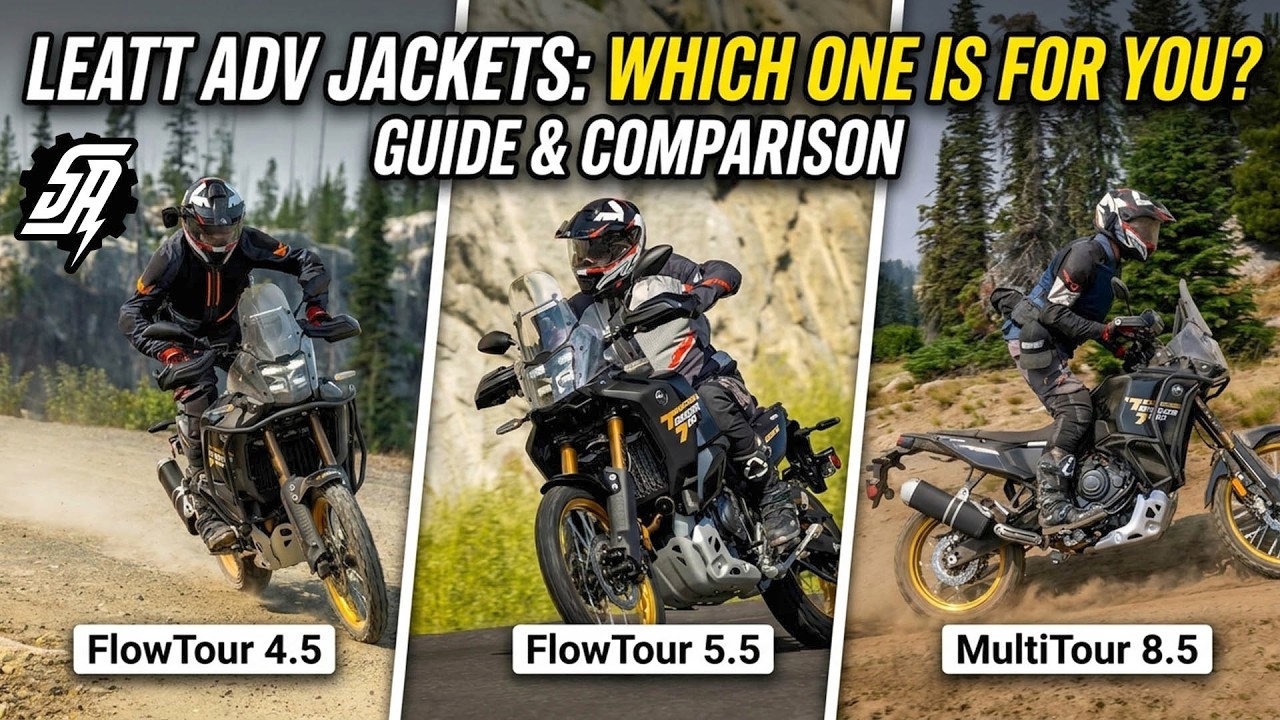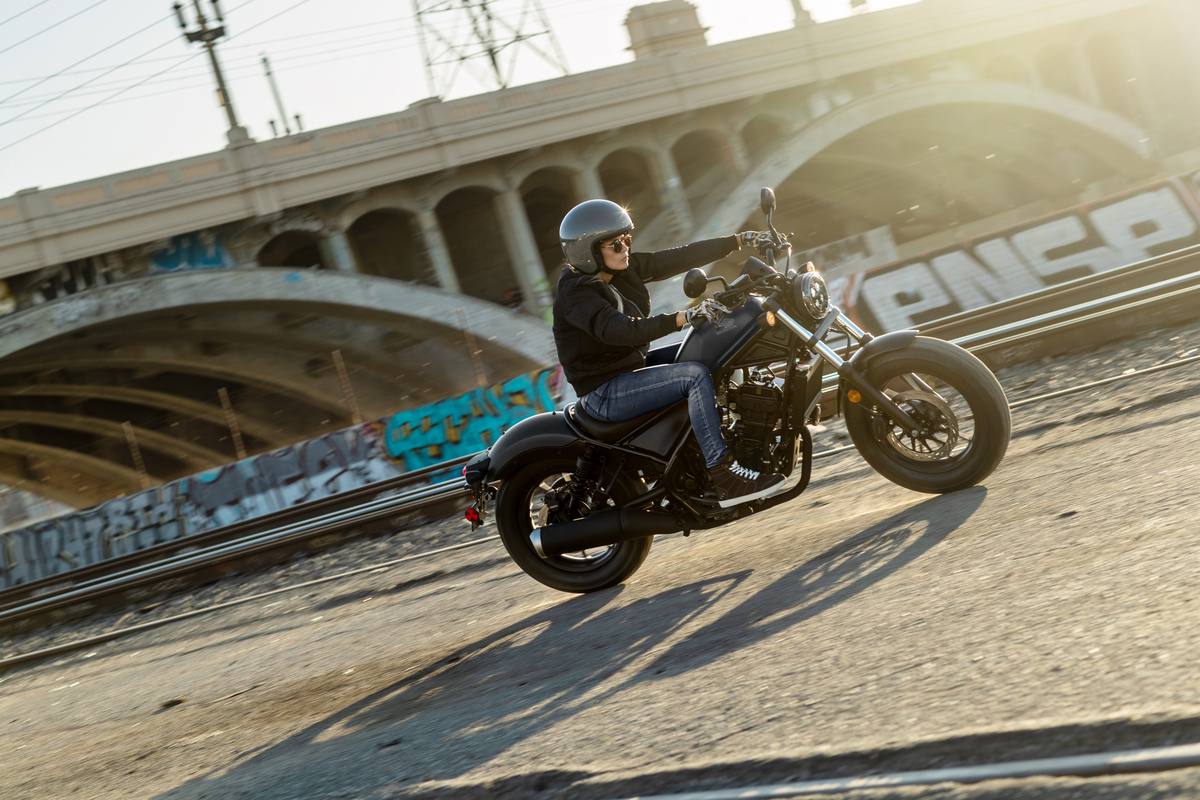
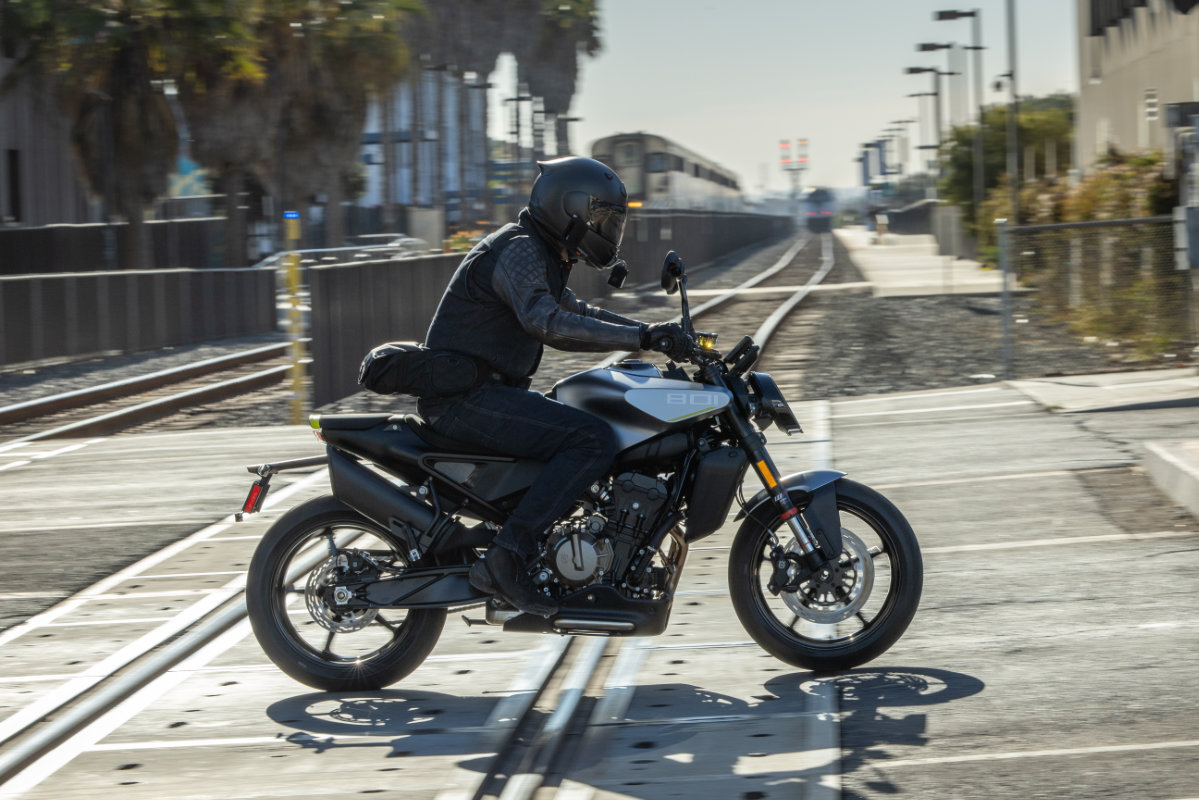
You guessed it: two wheels and an engine/motor.
For most Americans, a motorcycle is more than just a piece of machinery—it’s a symbol of freedom, a fuel-efficient commuter tool, or a weekend escape into the great outdoors. But if we strip away the leather jackets and the “Easy Rider” mythology, what exactly defines a motorcycle?
Whether you are looking to get your first endorsement or you’re just curious about those two-wheeled machines filtering through traffic, here is a breakdown of what makes a motorcycle a motorcycle.
The Technical Definition
At its most basic level, a motorcycle is a two- or three-wheeled motor vehicle steered by a handlebar from a saddle-style seat. Unlike a car, where you sit in the vehicle, on a motorcycle, you sit on it.
Primary Components
While designs vary wildly, almost every motorcycle shares these fundamental parts:
- The Frame: The backbone of the bike, usually made of steel or aluminum, which holds everything together.
- The Powerplant: Most U.S. motorcycles use internal combustion engines, ranging from tiny 125cc single-cylinders to massive 1800cc V-twins. Electric motorcycles are also rapidly gaining popularity.
- Sequential Transmission: Unlike a car’s “H-pattern” shifter, most bikes use a foot-operated lever to click through gears in a line (1-N-2-3-4-5-6).
- Final Drive: The system that transfers power to the rear wheel, typically using a chain, a belt, or a shaft.
Common Types of Motorcycles in the U.S.
The American motorcycle market is incredibly diverse. Depending on where you live—from the tight streets of NYC to the open plains of Montana—you’ll see different styles:
| Category | Best For… | Characteristics |
| Cruisers | Relaxed riding & style | Low seats, lots of chrome, and a “feet-forward” position (e.g., Harley-Davidson). |
| Sportbikes | Speed & agility | Aerodynamic fairings, high-revving engines, and a forward-leaning posture. |
| Touring | Long-distance travel | Large windscreens, comfortable seats, and luggage compartments (e.g., Honda Gold Wing). |
| Dual-Sport | On-road & Off-road | Lightweight frames with knobby tires and high ground clearance. |
| Standard/Naked | General commuting | An upright, “neutral” riding position and minimal plastic bodywork. |
How It Works: The Dynamics of Balance
One of the most fascinating aspects of a motorcycle is how it stays upright. While many people think it’s just about the rider’s balance, physics does most of the heavy lifting.
Through a phenomenon called gyroscopic precession and the geometry of the front fork (known as “rake” and “trail”), a moving motorcycle naturally wants to stay upright. To turn at speeds above 15 mph, riders use a technique called countersteering: pushing the handlebar in the direction they want to go, which initiates a lean.
Legal and Safety Requirements
In the United States, motorcycles are regulated by both federal standards (NHTSA) and individual state laws.
- Licensing: Most states require a Class M endorsement on your driver’s license. This usually involves a written test and a practical skills test.
- Safety Gear: While “Lid Laws” (helmet laws) vary by state, the industry standard for safety is ATGATT (All The Gear, All The Time). This includes a DOT-approved helmet, armored jacket, gloves, and over-the-ankle boots.
- Insurance: Just like a car, motorcycles must be insured and registered with the DMV.
Why Do People Ride?
If a car is safer and more climate-controlled, why ride? For the roughly 8 million Americans who own a bike, the answer is usually engagement.
When you’re in a car, you’re watching a movie; when you’re on a motorcycle, you’re in the scene. You smell the pine trees, feel the temperature drops in the valleys, and experience a mechanical connection to the road that a steering wheel simply can’t provide.