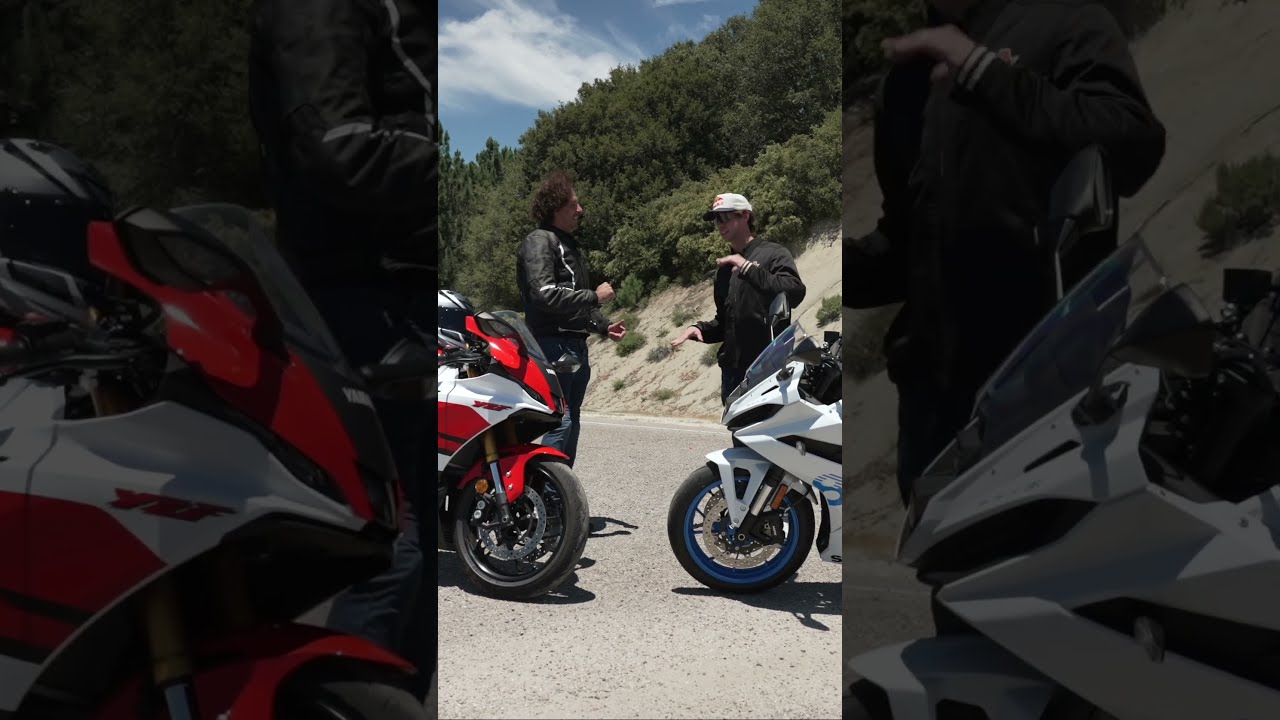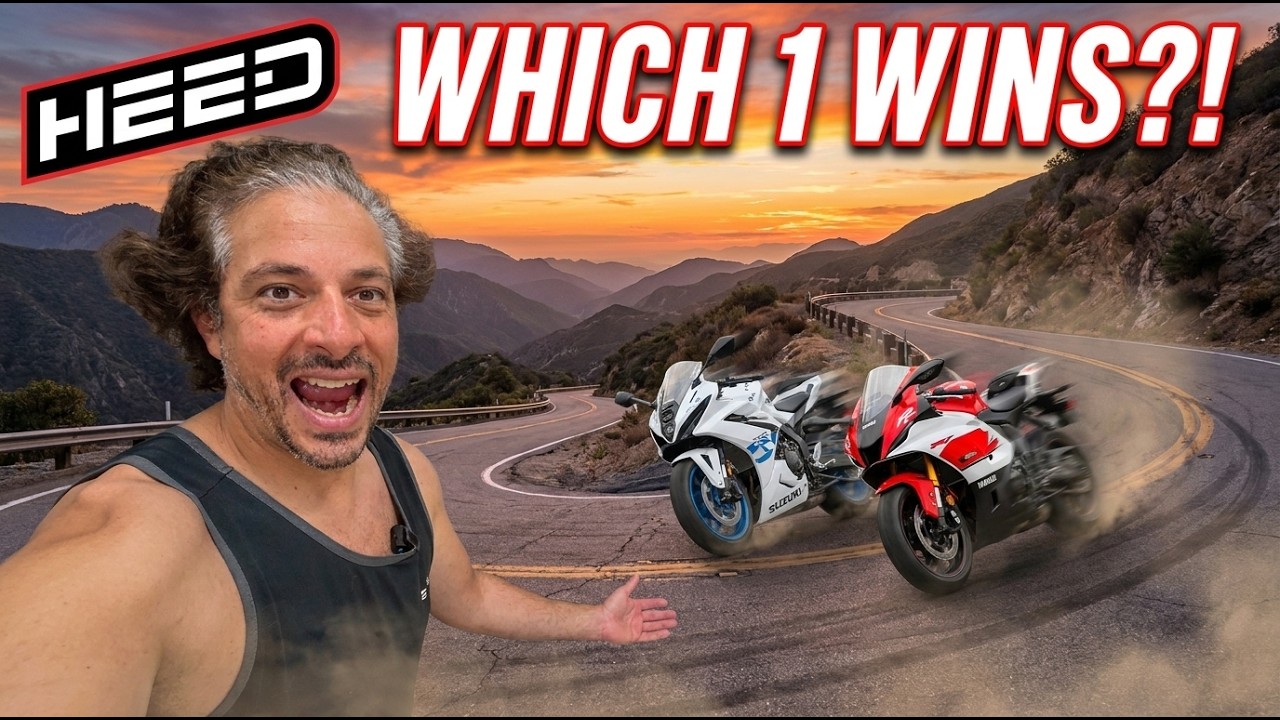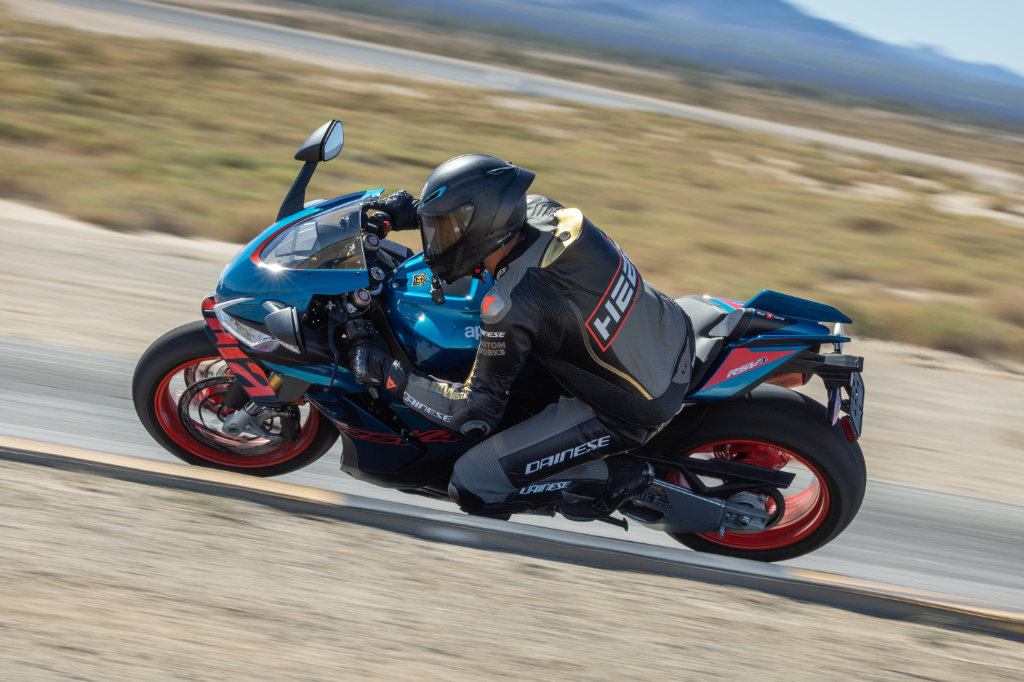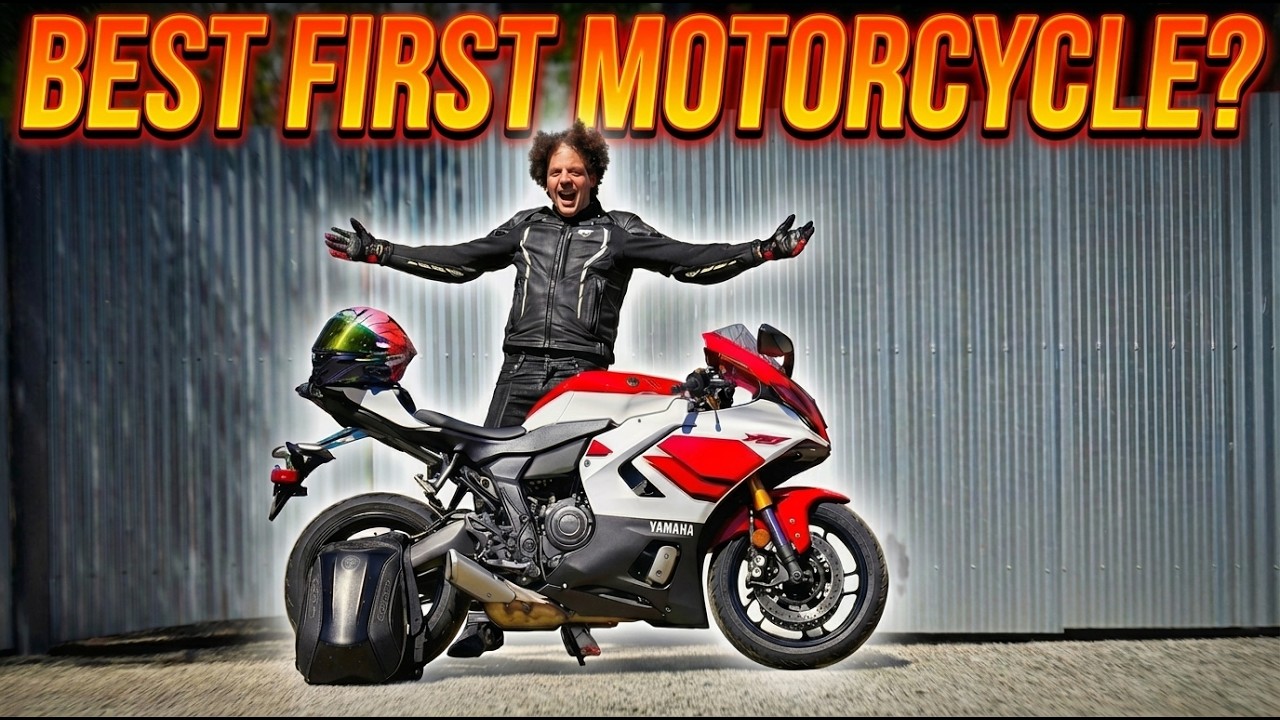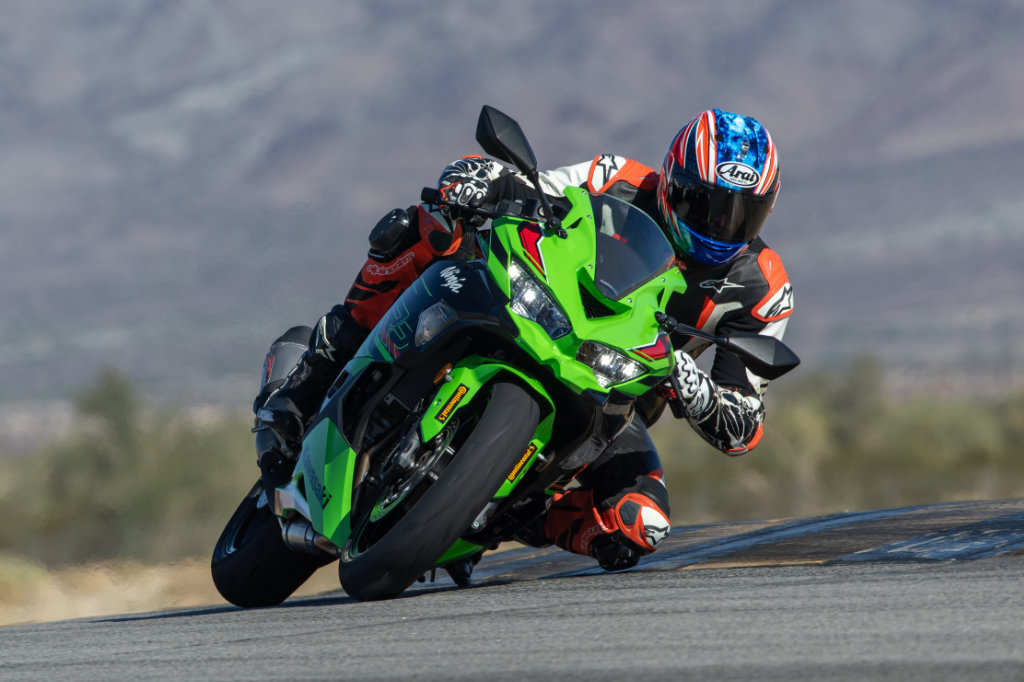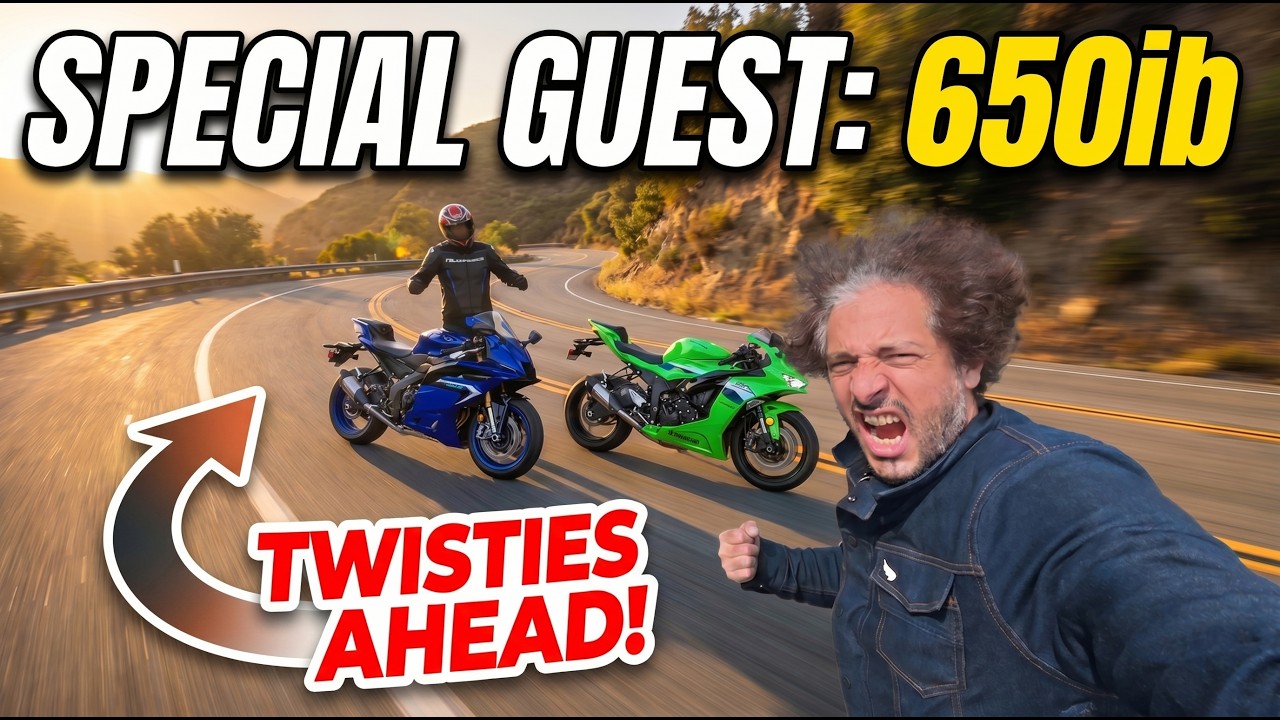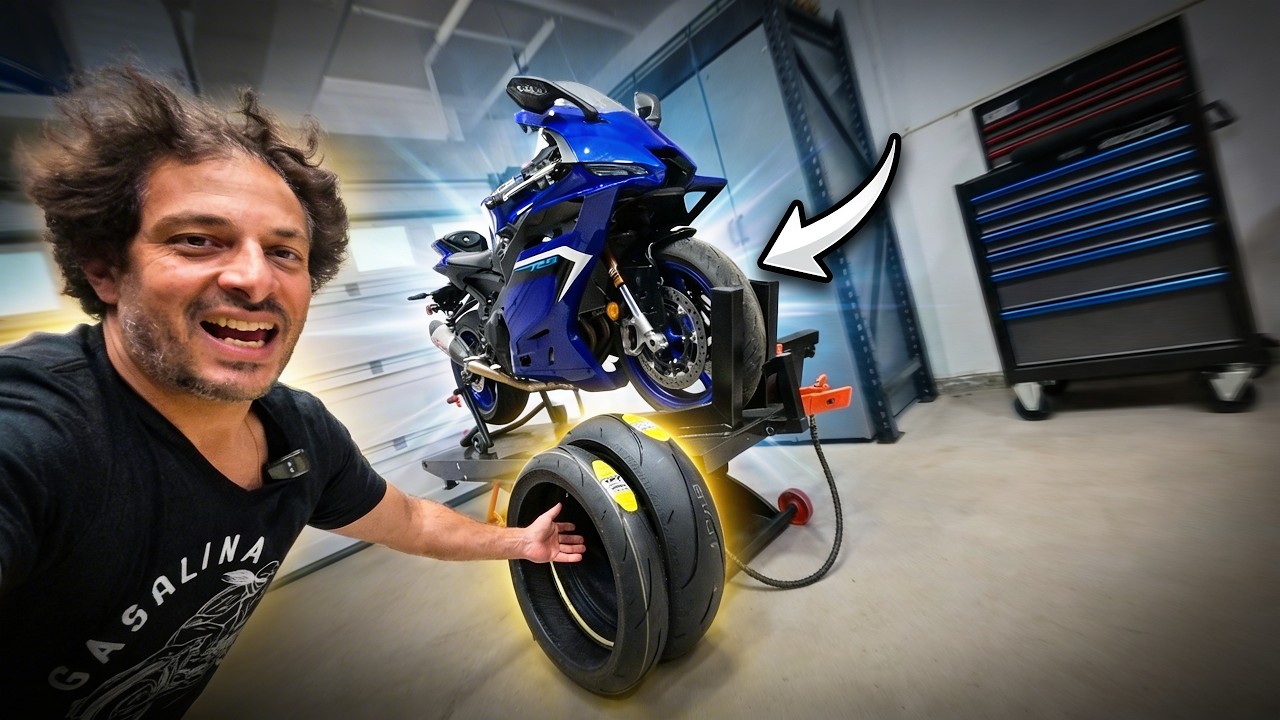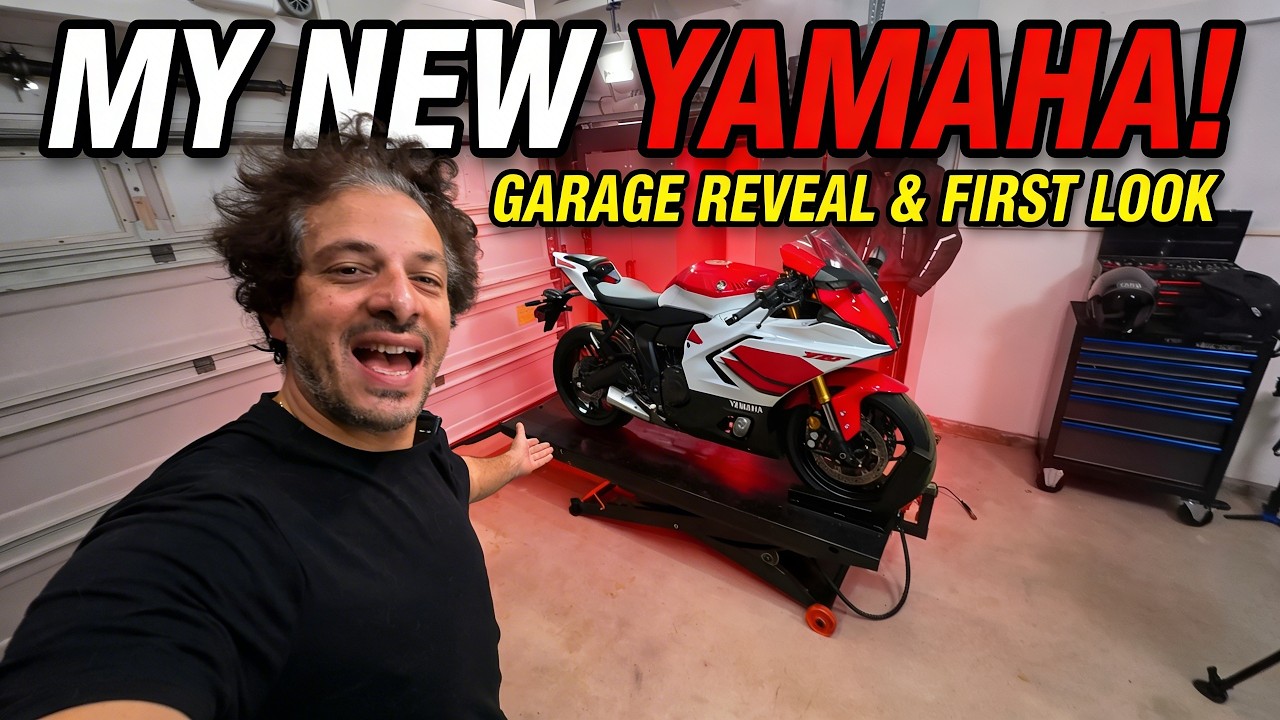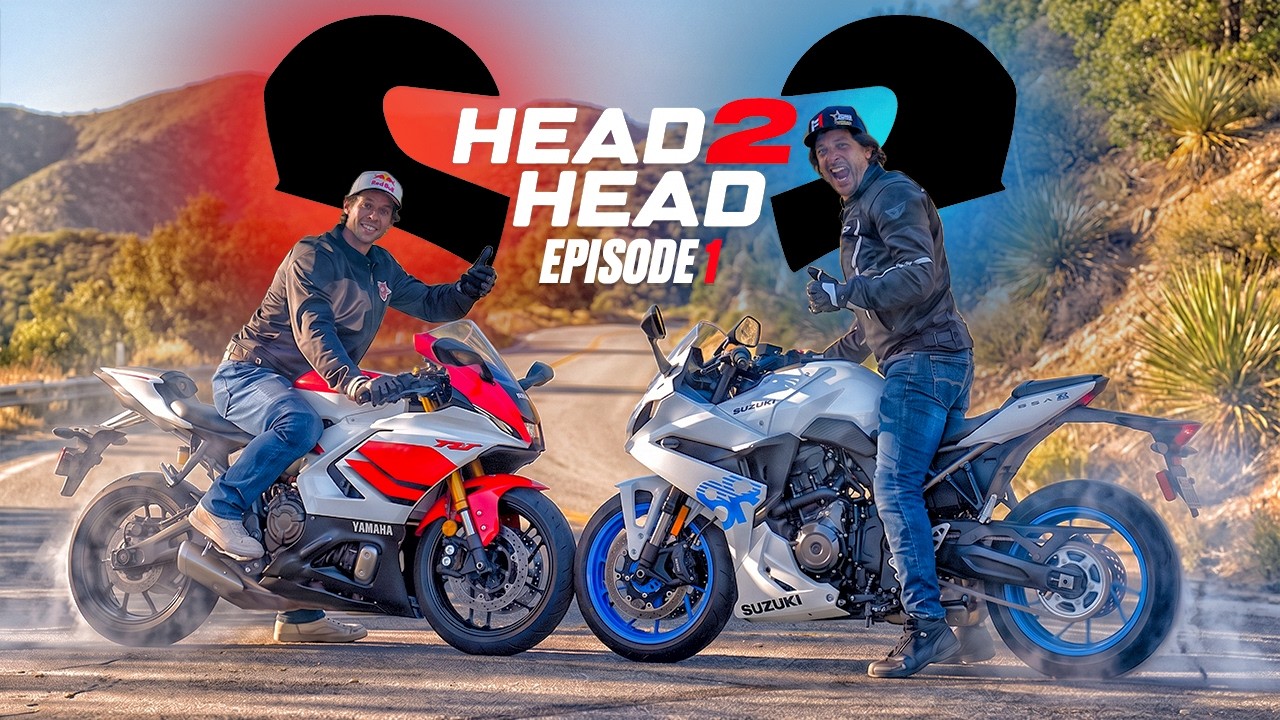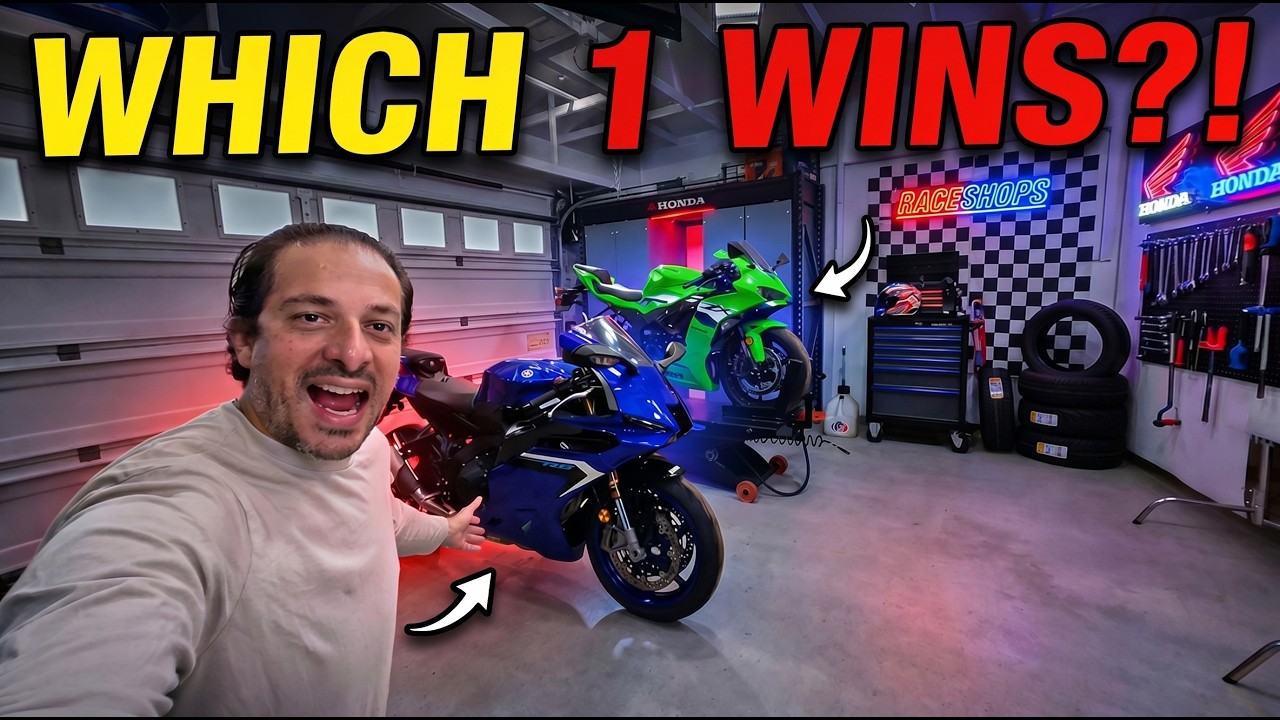
Old-school screaming four meets new-school torque.
There is an old saying, “you can’t buy happiness, but you can twist a throttle.” Today, that twist takes us to the ultimate crossroads of sportbike evolution. In one corner, we have the quintessential, high-screaming classic: the Kawasaki Ninja ZX-6R. In the other, the highly anticipated, tech-heavy challenger: the brand-new Yamaha YZF-R9.
It’s an old-school inline-four screaming Banshee fighting against a new-school inline-triple torque monster. We took these mid-weight titans out past the Vista city limits to see which formula reigns supreme for the modern canyon carver.
The Heart of the Matter: Triple vs. Four
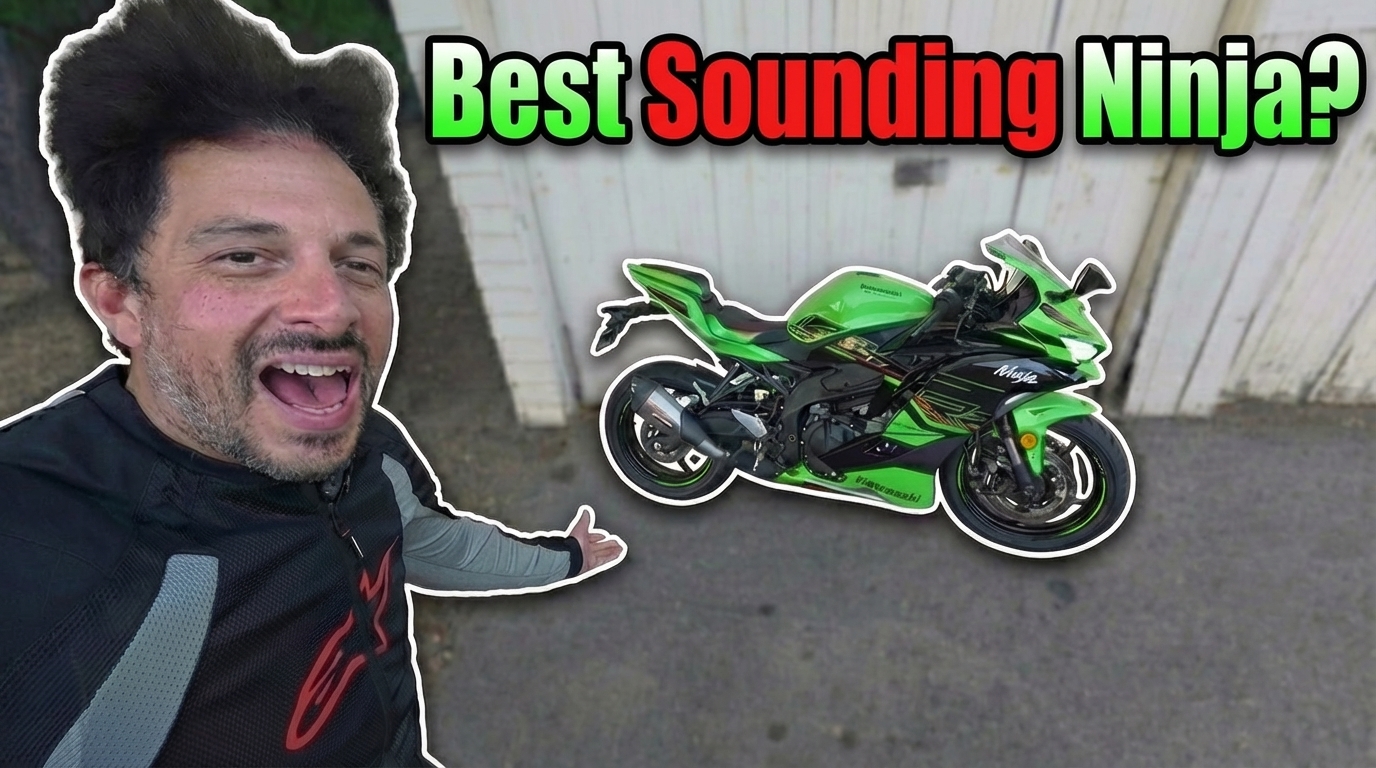
Right out of the gate, the differences are as clear as a Southern California summer day. The Kawasaki Ninja ZX-6R relies on its time-tested 636cc inline-four architecture. It produces a healthy 108 horsepower, but it demands that you sing for your supper. You have to get this engine zinging to its upper register to truly unlock its power. When you do, it rewards you with that iconic, high-RPM wail that sportbike purists have loved for decades.
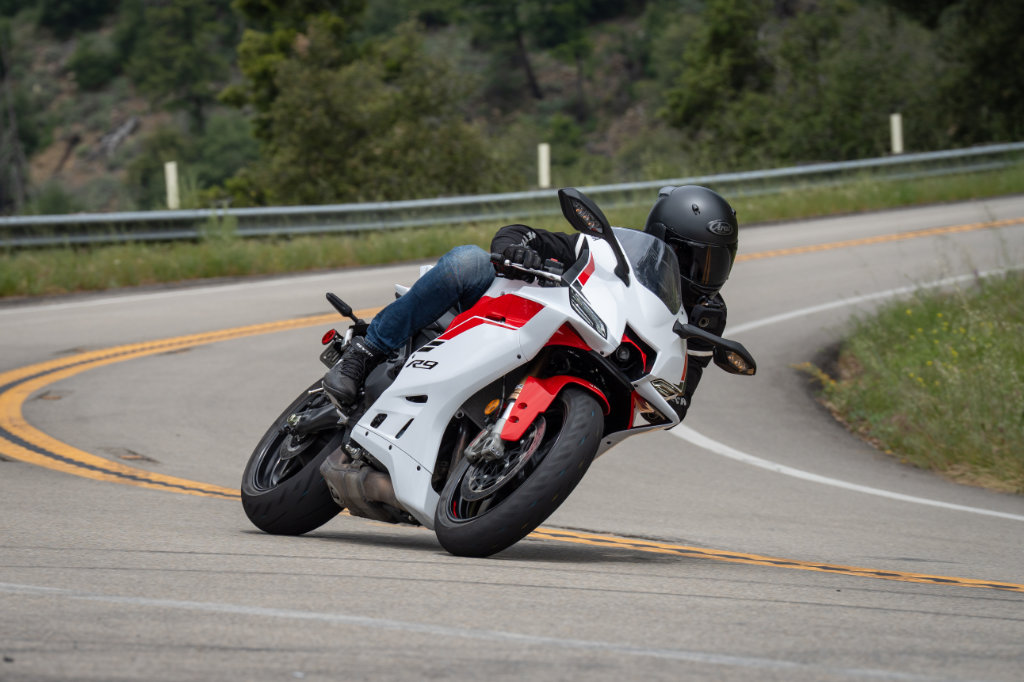
Meanwhile, the Yamaha YZF-R9 marches to the beat of a completely different drum—specifically, an 890cc CP3 inline-triple. Generating a peak of around 110 horsepower, the real story here is the torque curve. The R9 pulls like a freight train right off the bottom and mid-range, making it incredibly street-friendly. While the Ninja will actually pull away from the Yamaha on a long, top-end straightaway, the R9 will comfortably launch itself out of tight corners with far less effort.
Interestingly, despite the R9 having a larger engine, the bikes weigh nearly the same. The Yamaha tips the scales at 430 pounds wet, while the Kawasaki is just a tick heavier at 432 pounds. However, the Ninja carries a more generous 4.5 gallons of fuel compared to the Yamaha’s 3.8 gallons. Combined with the Ninja’s slightly better fuel economy (39 mpg vs 38 mpg), the green machine will definitely keep you away from the gas pump longer.
Electronic Wizardry vs. Mechanical Purity
If you love digital logic and modern safety nets, the Yamaha YZF-R9 is a rolling spaceship. It utilizes a full ride-by-wire throttle and a sophisticated 6-axis IMU (Inertial Measurement Unit). This gives the bike’s brain positional awareness across all axes, opening the door for lean-angle-sensitive cornering ABS, advanced traction control, wheelie control, slide control, and engine brake management. It also boasts a beautiful, large color TFT display with integrated Garmin turn-by-turn navigation and a smooth up-and-down quickshifter.
The Kawasaki, by contrast, is beautifully archaic. The Ninja ZX-6R still relies on a traditional mechanical throttle cable. It lacks an IMU, meaning its traction control is a bit more old-school, and the quickshifter only works on upshifts. The TFT dash is smaller and less feature-rich. However, there is a distinct joy to this simplicity. The analog throttle response on the Ninja is absolutely sublime, offering a raw, unadulterated connection between your right hand and the rear tire. Furthermore, for the purists who like to play, our test model came without ABS entirely—meaning yes, you can easily loft the rear wheel into a textbook endo, a feat the Yamaha’s electronic brain flatly refuses to allow.
Handling the Canyons and Comfort
When the road gets twisty, the two manufacturers offer entirely different flavors. The Yamaha R9 adopts a modern superbike ergonomic triangle. The tank is wide and low, and the clip-on handlebars are spaced outward, making it feel remarkably roomy and comfortable for an everyday commute. Its 43mm KYB front suspension is plush, soaking up road imperfections with ease and delivering a highly civilized ride around town.
The Ninja ZX-6R sticks to its racy roots. It features narrow, inward-facing clip-ons, a taller tank, and a firmer 41mm Showa Separate Function Fork setup. It feels aggressively track-focused. When you are hauling the mail and pushing hard through a smooth set of switchbacks, the Kawasaki offers unparalleled road-holding confidence. It feels tightly wound and eager to race.
When it comes to stopping power, the Yamaha features premium Brembo Stylema calipers that offer a sharp initial bite, backed by that intelligent cornering ABS. Yet, during aggressive runs, we noticed a touch of lever fade. The Kawasaki’s Nissin calipers might lack the premium nameplate, but they remained absolutely rock-solid and fade-free, run after run.
The Verdict
At the end of the day, choosing between these two comes down to where you plan to spend your time. If your motorcycle is an everyday companion meant to slice through traffic, conquer weekend tours, and provide effortless torque at a stoplight, the tech-forward comfort of the Yamaha YZF-R9 justifies its $12,499 price tag.
But if your heart belongs to track days, local club racing, and the intoxicating symphony of a motor revving into the stratosphere, the Kawasaki Ninja ZX-6R remains an absolute bargain at $11,600. It proves that sometimes, the old ways are still capable of delivering maximum exhilaration.
Technical Specifications and Price
| Feature | 2025 Yamaha YZF-R9 | 2026 Kawasaki Ninja ZX-6R |
| Engine Type | 890cc liquid-cooled inline 3-cylinder | 636cc liquid-cooled inline 4-cylinder |
| Valve Train | DOHC, 8-valve | DOHC, 16-valve |
| Horsepower | ~110 hp | ~108 hp |
| Wet Weight | 430 lbs | 432 lbs |
| Fuel Capacity | 3.8 gal | 4.5 gal |
| Estimated MPG | 38 mpg | 39 mpg |
| Front Suspension | 43mm KYB separate function fork | 41mm Showa separate function fork |
| Brakes (Front) | Brembo Stylema radial calipers (ABS standard) | Nissin radial calipers (ABS optional) |
| Electronics | 6-Axis IMU, Traction/Wheelie/Slide Control, Navigation | Basic Traction Control, Power Modes |
| U.S. MSRP | $12,499 | $11,600 |
| Warranty | 1-Year Limited Factory Warranty | 1-Year Limited Factory Warranty |