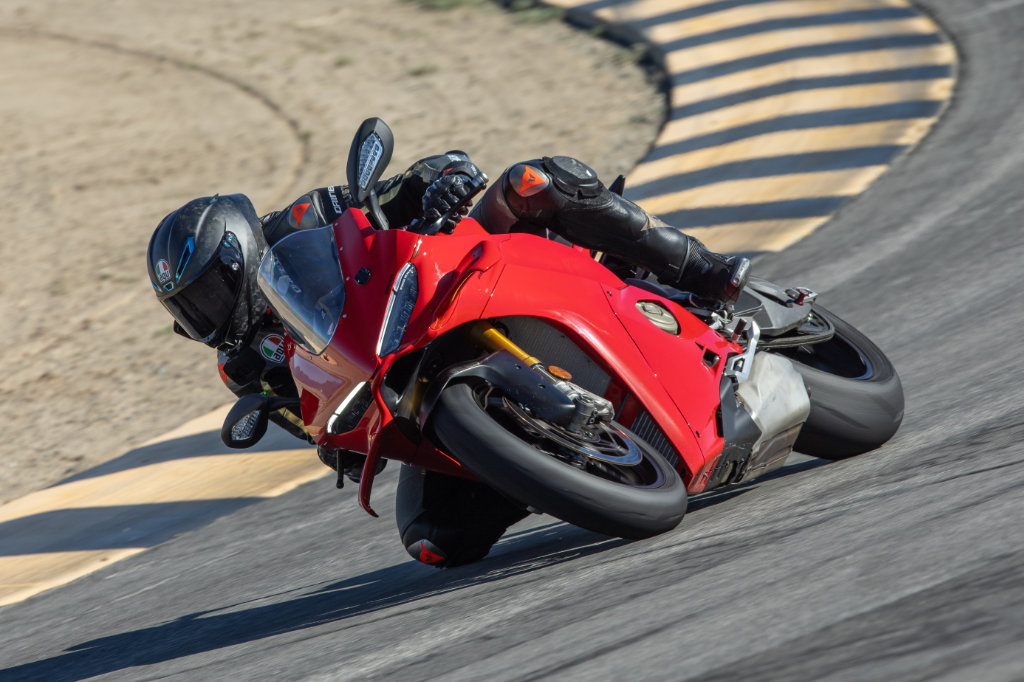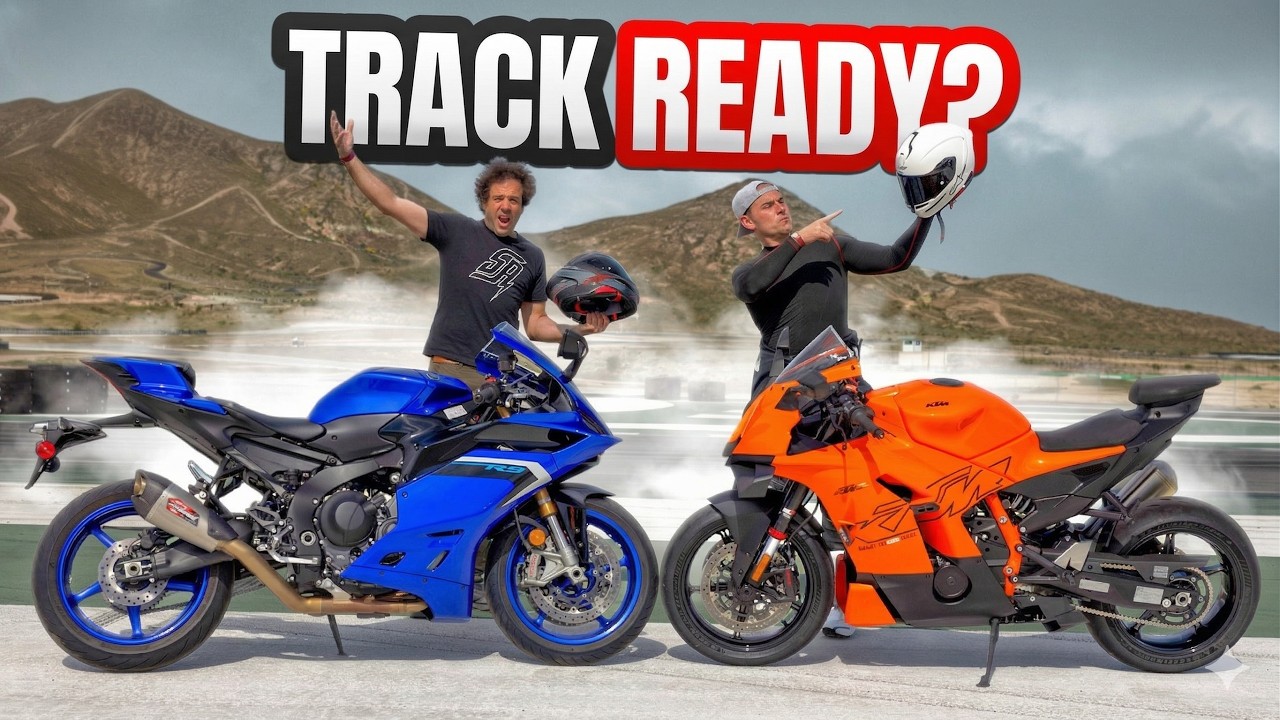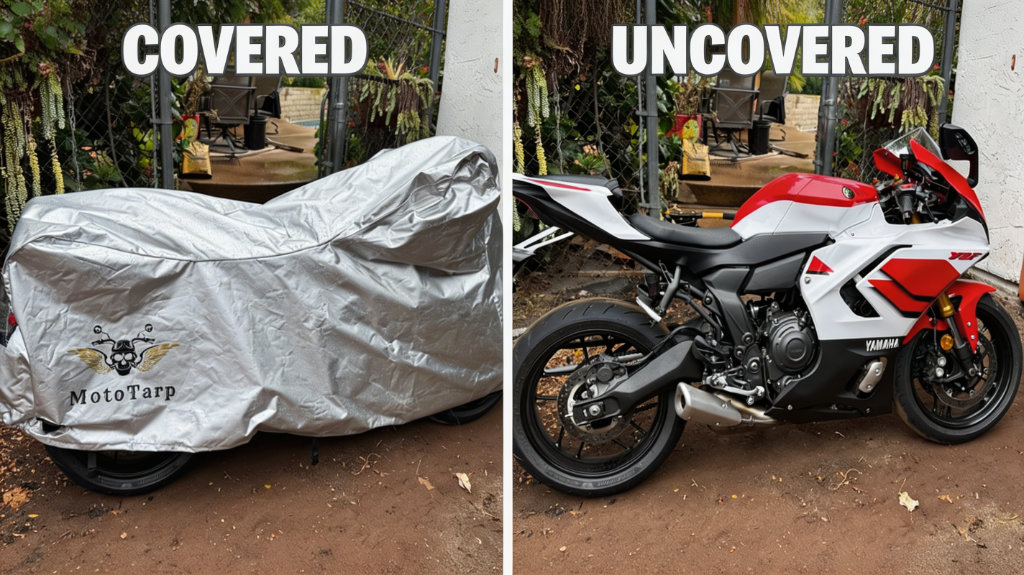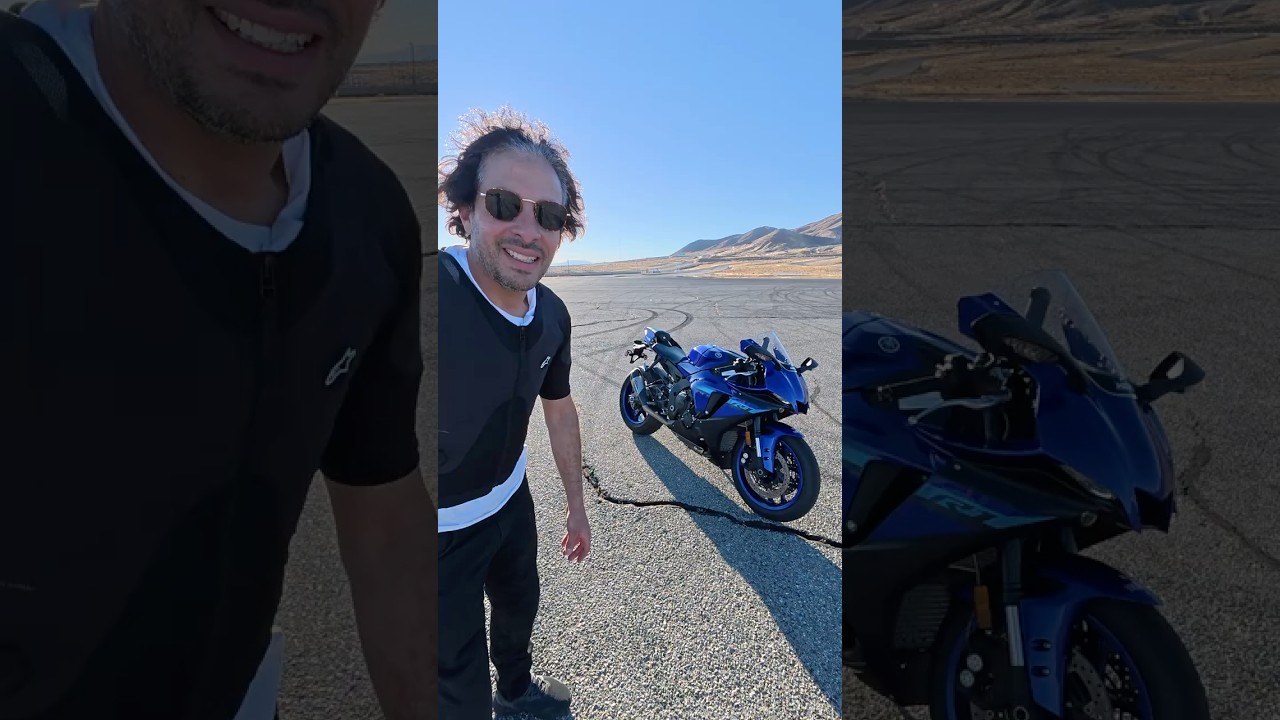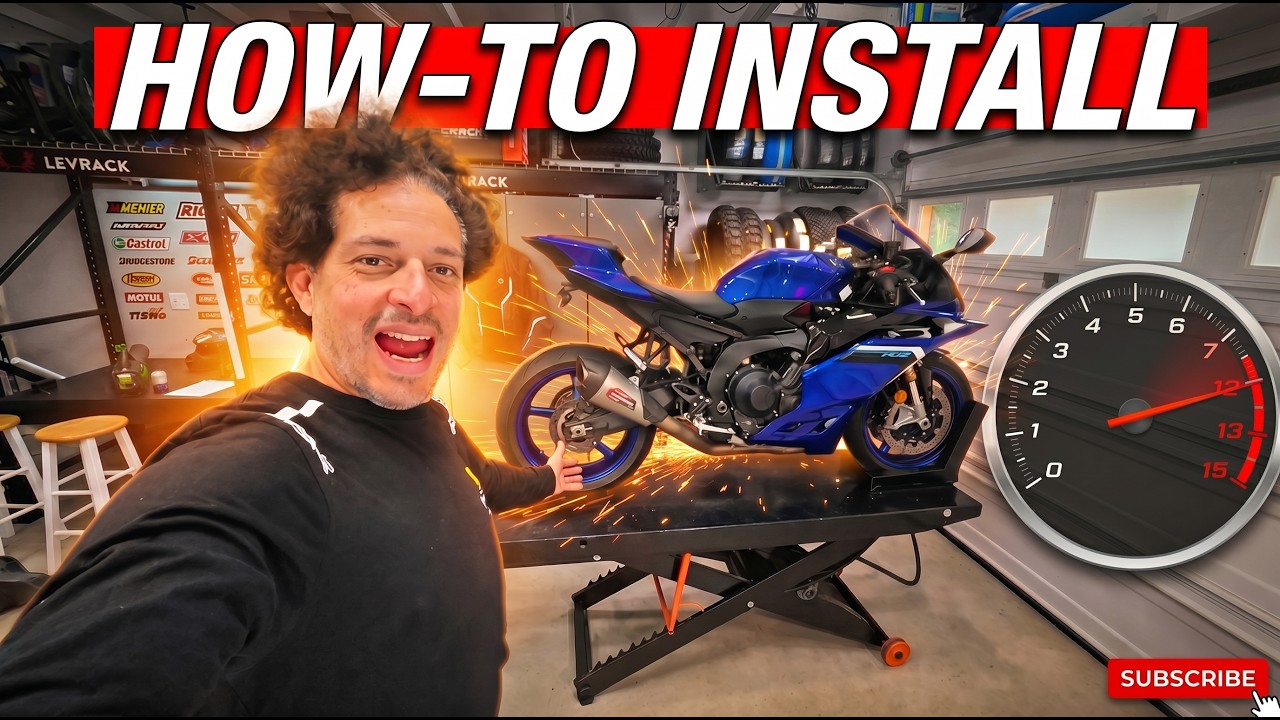
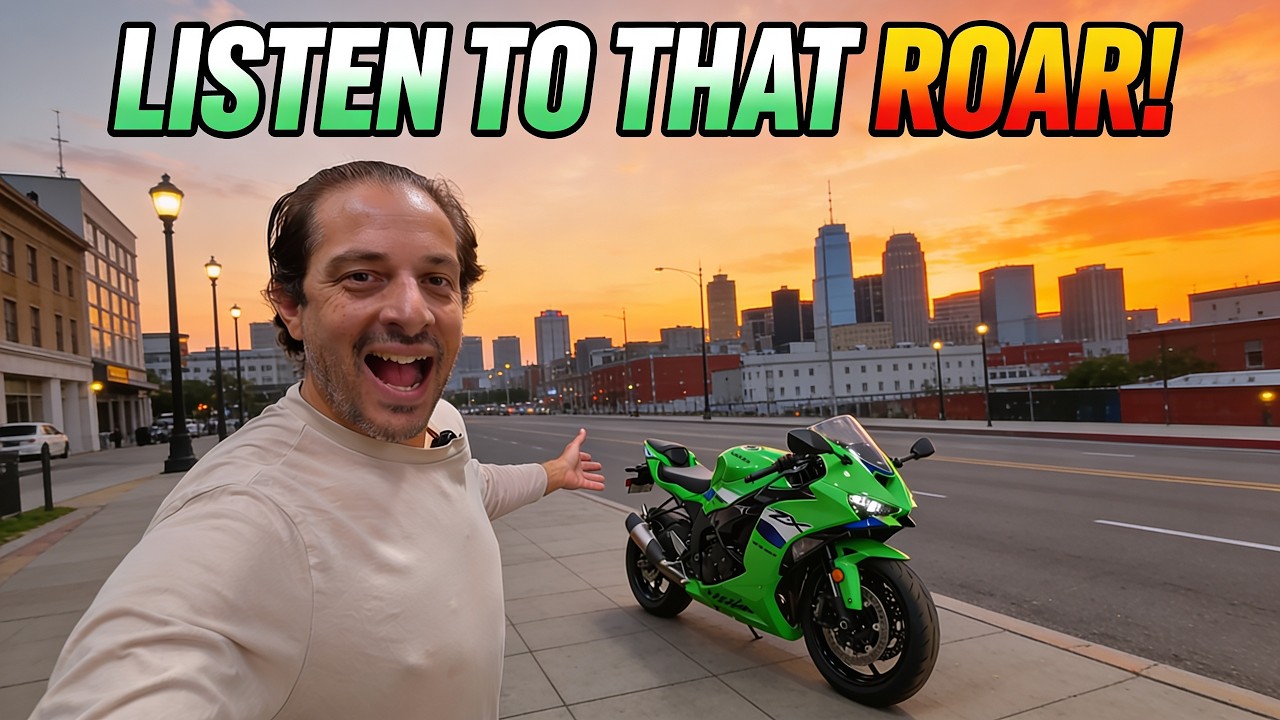
Get your tools ready and clear the workbench, because it is a very good day in the garage. We are shedding weight and gaining top-tier performance on Yamaha’s highly anticipated middleweight-plus sportbike. The Yoshimura AT2 Full Race Exhaust System (closed-course) for the Yamaha YZF-R9 is here, and it is the ultimate track-day upgrade for this CP3-powered machine.
Related Editorial: Yoshimura R&D Tour and Honda CRF300L Rally Exhaust Install!
Handcrafted in the USA, this closed-course-only motorcycle exhaust system commands a premium price tag of $1,300. In return, it strips off more than five pounds of factory fat while drastically improving the bike’s sound and power delivery.
If you are looking to take your track riding to the next level, here is exactly how this high-performance exhaust system transforms the motorcycle and what it takes to bolt it on yourself.
Shedding Pounds and Making Power
Straight out of the crate, the Yamaha YZF-R9 is an impressive machine, weighing in at a light 430 pounds wet. However, like most modern sportbikes, the OEM exhaust system carries a significant amount of weight due to the integrated catalytic converter.
Yoshimura’s AT2 system replaces the hefty factory unit with a beautifully crafted, high-grade stainless steel setup. Let’s look at the numbers:
- Stock Exhaust System: 16.3 pounds (including the header, catalytic converter, and muffler unit).
- Yoshimura AT2 Full System: 10.6 pounds (including the header, mid-pipe, and muffler).
- Net Weight Savings: 5.7 pounds.
Losing nearly six pounds from the bottom of the chassis translates to a lower center of gravity, snappier transitions, and an improved power-to-weight ratio.
Step-by-Step Installation
Thanks to the clever bodywork design by Yamaha’s engineers, installing this system is incredibly straightforward. The YZF-R9’s fairings pull off cleanly without requiring you to disassemble the entire front cowl.
1. Removing the OEM System
- Use a 17mm wrench to carefully remove the O2 sensor from the factory exhaust.
- Remove the 10mm bolt holding the radiator bracket and gently push the radiator forward. This gives you just enough room to easily access the header bolts.
- Unbolt the three 12mm header bolts and the main muffler bracket bolt.
- Carefully drop the heavy stock unit. To ensure your exhaust gaskets don’t fall out during removal or new installation, apply a small dab of copper anti-seize or thread sealant to hold them securely in place inside the exhaust ports.
2. Preparing and Fitting the Yoshimura AT2
- Install the Yoshimura stainless steel header pipes and the included mid-pipe.
- Yoshimura provides a high-quality wire extender for the O2 sensor. This simple plug-and-play extension gives you the necessary clearance to easily route and install the sensor into the new Yoshimura bung.
- Apply thread sealant to the sensor threads, twist the wire counter-clockwise before screwing it in (so it doesn’t bunch up), and tighten it down with a 17mm wrench.
3. Mounting the Muffler and Springs
- Line up the distinct trapezoidal AT2 muffler. Yoshimura supplies a longer 40mm bolt, a sleek aluminum sleeve, and a locknut to mount the exhaust securely to the existing footpeg bracket.
- Attach the high-quality exhaust springs to secure the mid-pipe to the headers, ensuring the Yoshimura logo faces upward for a truly professional finish.
- Snug down the header bolts completely.
4. The Critical Clean-Up
Before firing up the engine for the first time, grab a clean rag and some rubbing alcohol. Thoroughly wipe down every inch of the new stainless steel pipes. If you leave hand grease or fingerprints on the bare steel, the first heat cycle will bake those oils directly into the metal, permanently staining your brand-new exhaust.
With the side fairings back on, the install is complete, and the bike is ready to sing.
Whether you are building a dedicated track bike or simply preparing for your next closed-course race day, the Yoshimura AT2 full system offers incredible fit and finish, substantial weight savings, and the perfect soundtrack for Yamaha’s three-cylinder platform.
Stay tuned for our next update where we fire up the machine for its first cold start and take it out on the track. For more high-performance motorcycle news, tests, and deep dives, explore our latest gear reviews at Moto-1.com.
Yamaha YZF-R9 Technical Specifications and Price
| Feature | Specification |
| Engine Type | 890cc liquid-cooled, DOHC, inline 3-cylinder; 4 valves per cylinder |
| Bore x Stroke | 78.0mm x 62.1mm |
| Compression Ratio | 11.5:1 |
| Fuel Delivery | Fuel injection with YCC-T |
| Transmission | 6-speed; multiplate wet clutch with Assist & Slipper |
| Front Suspension | 43mm KYB inverted fork, fully adjustable; 4.7-in travel |
| Rear Suspension | KYB single shock, fully adjustable; 4.6-in travel |
| Front Brakes | Dual 320mm hydraulic discs; Brembo Stylema calipers and radial master cylinder |
| Rear Brakes | Single 245mm hydraulic disc |
| Wet Weight | 430 lbs |
| U.S. MSRP | Starting at $12,499 |
| Warranty | 1 Year Limited Factory Warranty |