Yamaha’s motorcycle division is part of the world-renowned Yamaha Corporation—originally founded in 1887 by Torakusu Yamaha to build reed organs—the motorcycle division, Yamaha Motor Co., was spun off in 1955 under the leadership of Genichi Kawakami. Their first motorcycle, the 125cc YA-1 (nicknamed the “Red Dragonfly”), was an immediate racing success in Japan. Yamaha’s entry into the United States in 1960 marked the beginning of a performance-obsessed legacy, fueled by their refusal to give up on two-stroke technology long after others had moved on.
The 1970s and 80s cemented Yamaha’s reputation for innovation in the American market. In 1968, they released the DT-1, the world’s first true dual-purpose motorcycle, which essentially created the “off-road” market in the U.S. overnight. Yamaha also pioneered the Monoshock rear suspension in 1973, a feature that revolutionized motocross handling. For street riders, the 1980s brought the V-MAX, a “muscle bike” with a V4 engine that delivered drag-strip acceleration, and the FZ750, which introduced the world to 5-valve “Genesis” engine technology. This era of high-speed experimentation eventually led to the 1998 debut of the YZF-R1, a bike that redefined the liter-class superbike segment with its ultra-compact chassis and “stacked” gearbox.
The Iwata Heart and U.S. Hub
Yamaha’s manufacturing “soul” remains in Iwata, Japan, where its primary R&D and high-performance assembly lines are located. However, Yamaha has a significant industrial presence in the United States. While most of its street motorcycles are imported from Japan, the Yamaha Motor Manufacturing Corporation of America (YMMC) in Newnan, Georgia, is a massive facility that produces ATVs, Side-by-Sides, and Golf Cars for the global market. For the U.S. motorcyclist, the “Tuning Fork” logo represents a brand that feels uniquely connected to the American landscape—from the woods of the GNCC racing circuit to the high-banked turns of Daytona.
Yamaha in 2025: The “R” Evolution and AMT
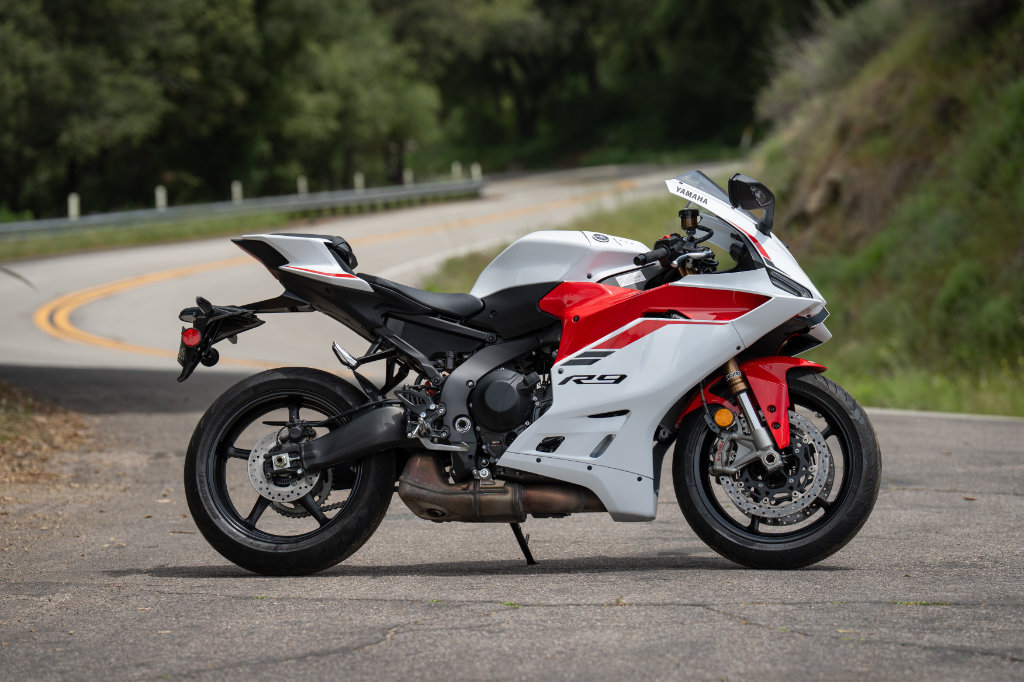
In 2025, Yamaha is celebrating its 70th anniversary by launching a new generation of middleweight dominance. The headline for the year is the all-new YZF-R9, which uses the celebrated 890cc CP3 triple-cylinder engine to bridge the gap between the R7 and the track-only R1. For touring and commuting, Yamaha has introduced the Y-AMT (Yamaha Automated Manual Transmission) on the Tracer 9 GT+, a system that allows for lightning-fast finger-operated shifts or fully automatic cruising. The popular MT-07 has also seen a major 2025 overhaul, gaining a lighter chassis and radially mounted brakes, while the Ténéré 700 continues to dominate the mid-sized adventure market with updated YCC-T electronic throttle tech. As Yamaha moves toward 2030, its 2025 lineup proves that they remain committed to “Kando”—the Japanese concept of simultaneous feelings of deep satisfaction and intense excitement.
-

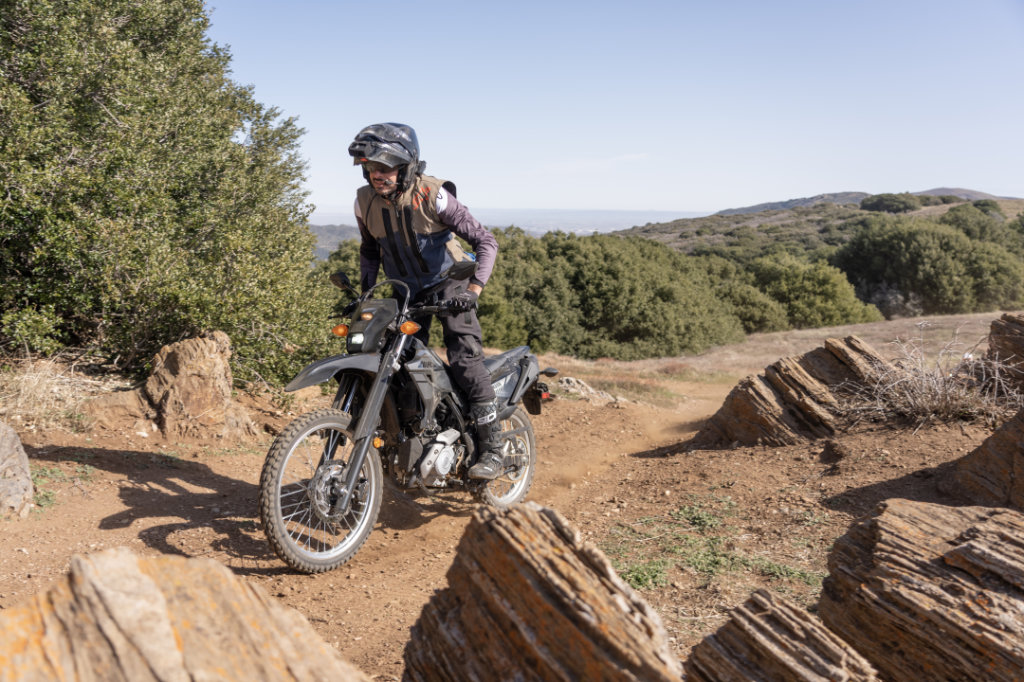
2026 Yamaha WR125R Review and First Ride
Riding the 2026 Yamaha WR125R: An affordable dual-sport for most trails.
-
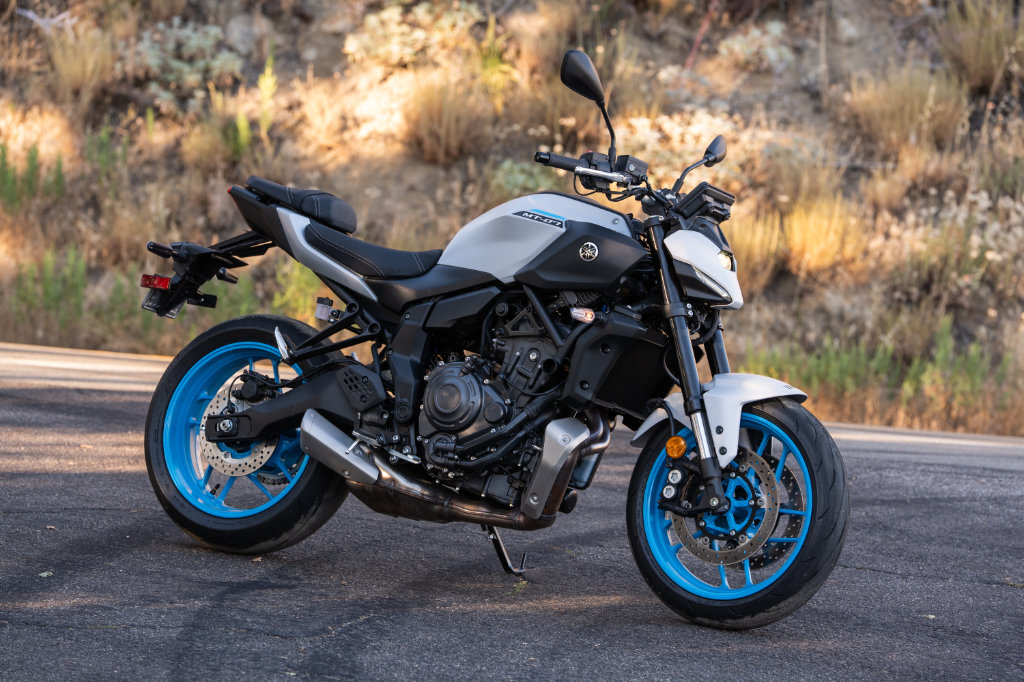
2025 Yamaha MT-07 Garage Talk Review
Is the 2025 Yamaha MT-07 the best middleweight naked bike?
-
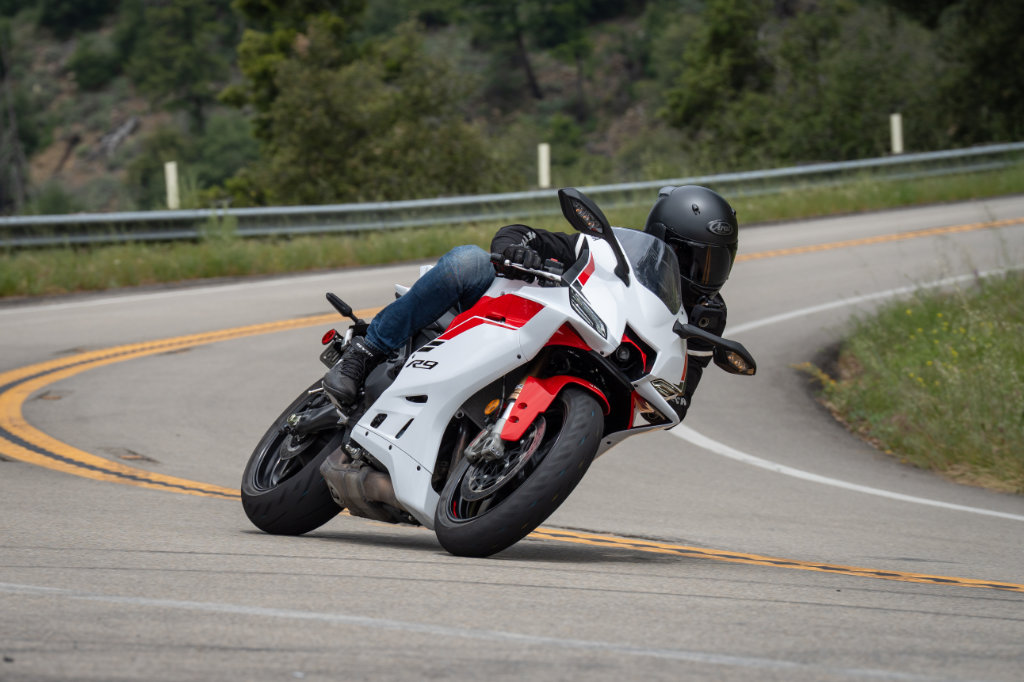
2025 Yamaha YZF-R9 Street Review
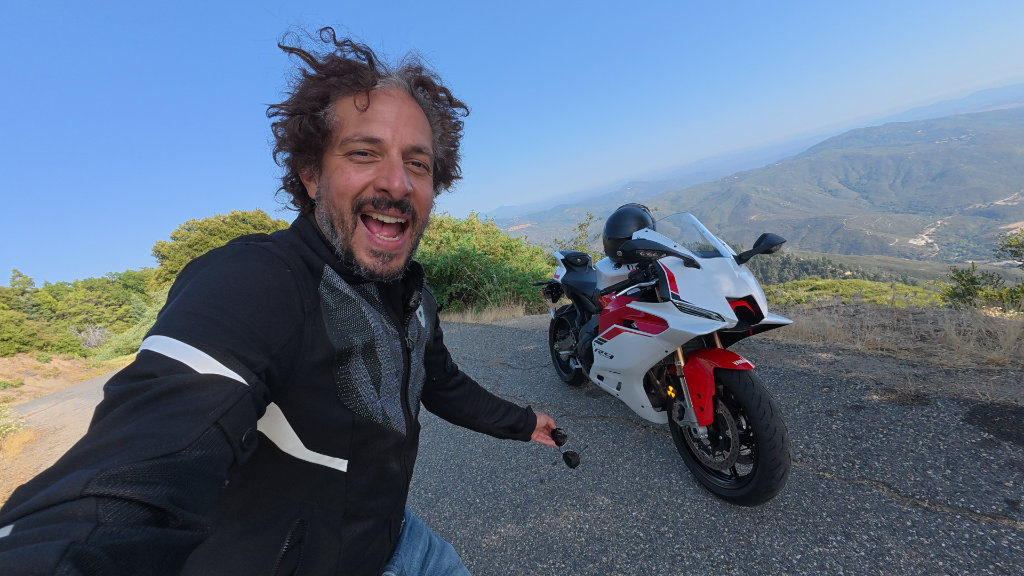
Test ride the new 2025 Yamaha R9 on California’s best roads!
-

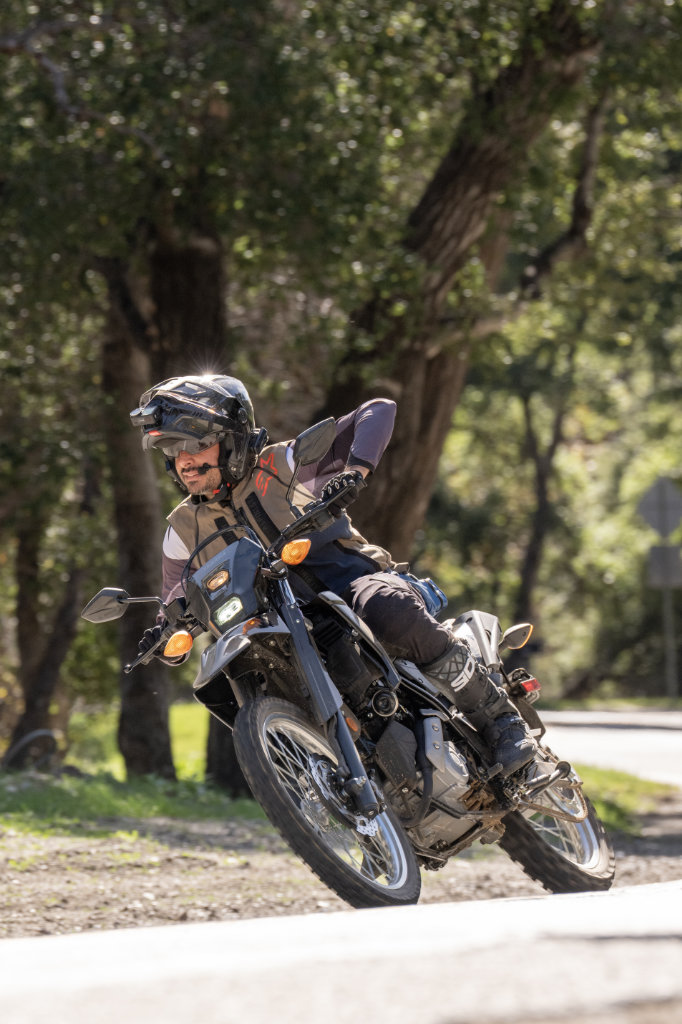
Is Yamaha’s 2026 WR125R the $4K Trail Cheat Code?
The ’26 Yamaha WR125R has landed on American soil, and it’s aiming to be the go-to street-legal dual sport for riders who value agility over arm-stretching power.
-

2025 Yamaha YZF-R9 Review
The 2025 Yamaha YZF-R9: All the bark, all the bite.
-
2025 Yamaha YZF-R9 In the Garage Review
For years, sportbike enthusiasts have been clamoring for a machine that bridges the gap between the approachable YZF-R7 and the fire-breathing YZF-R1.