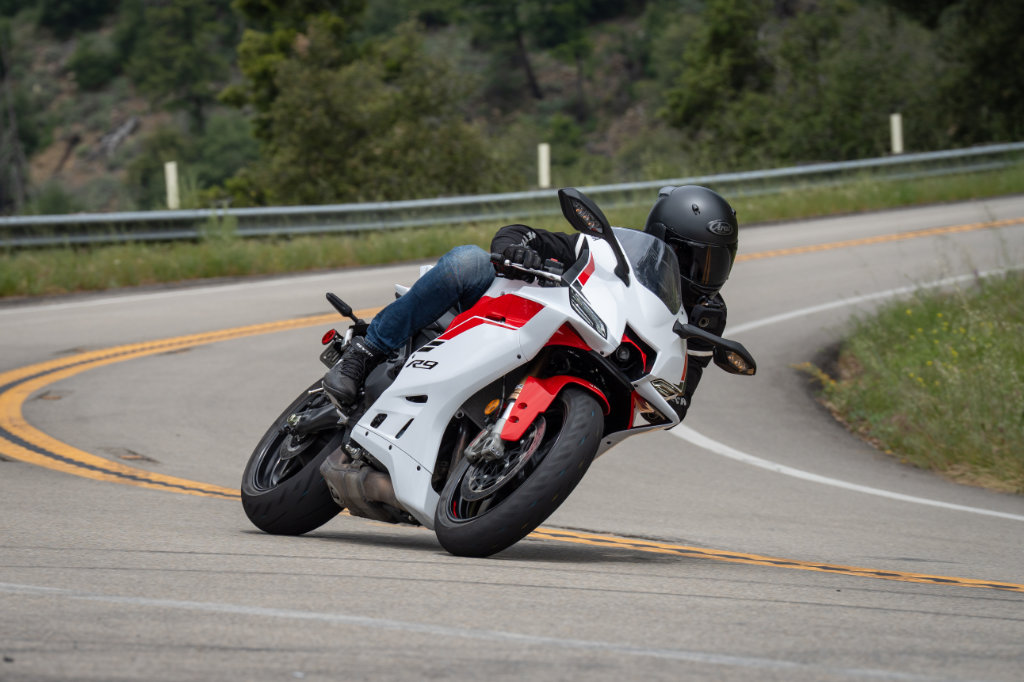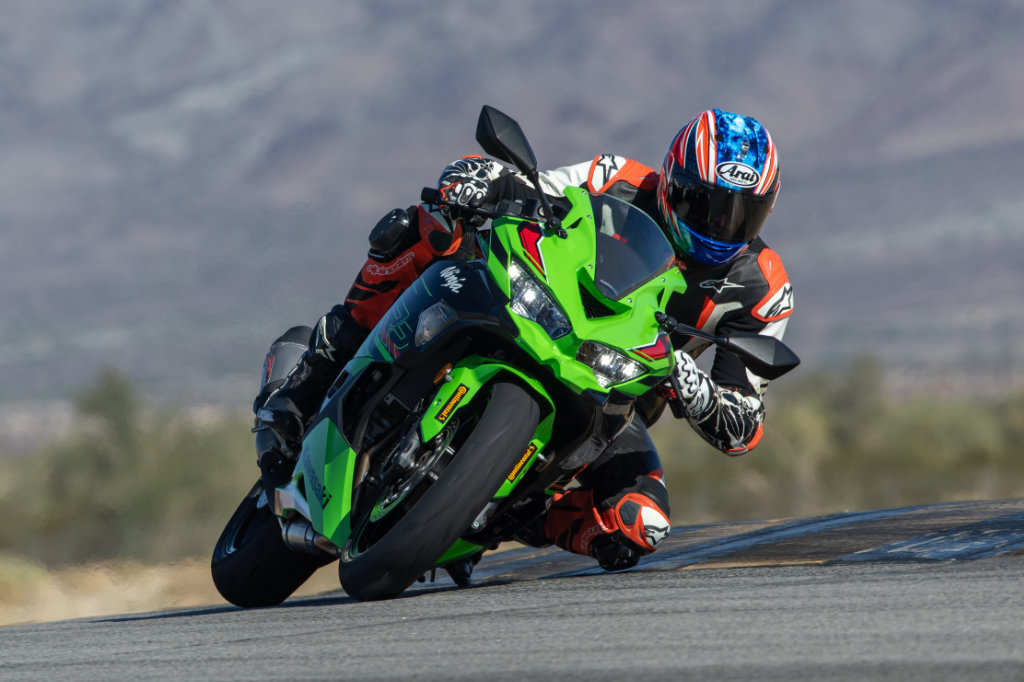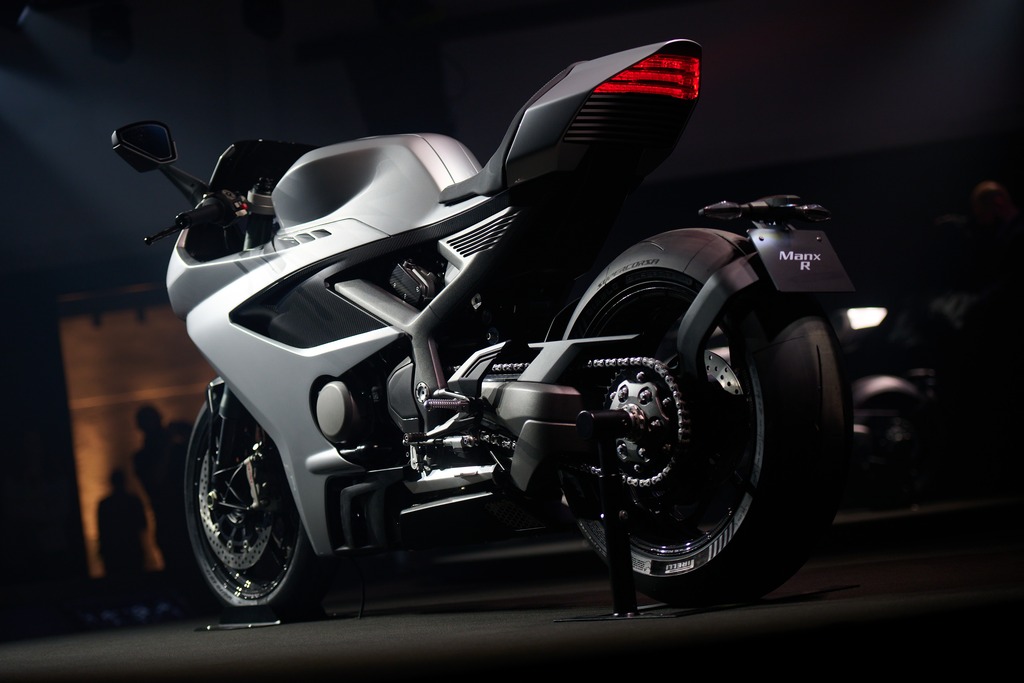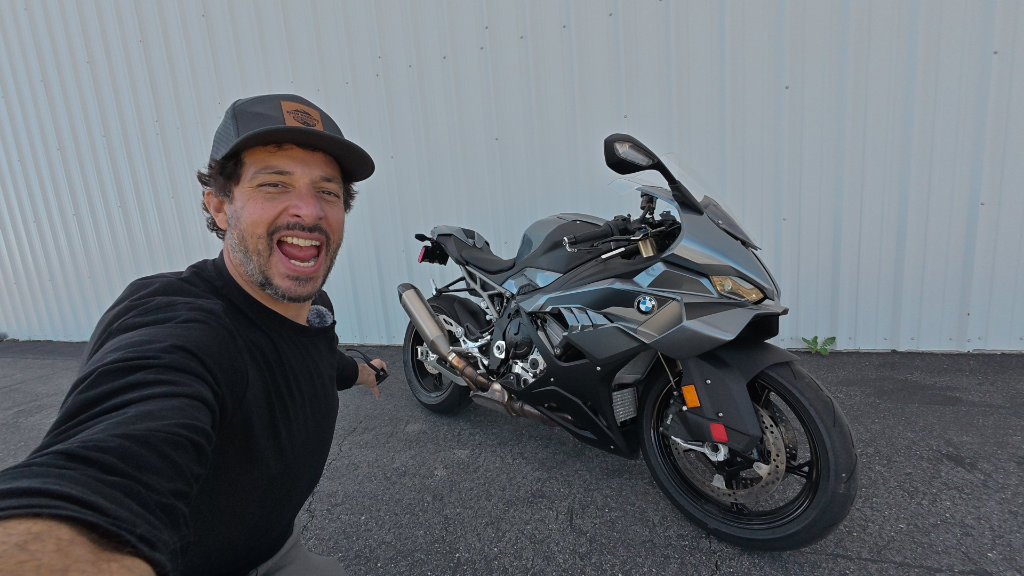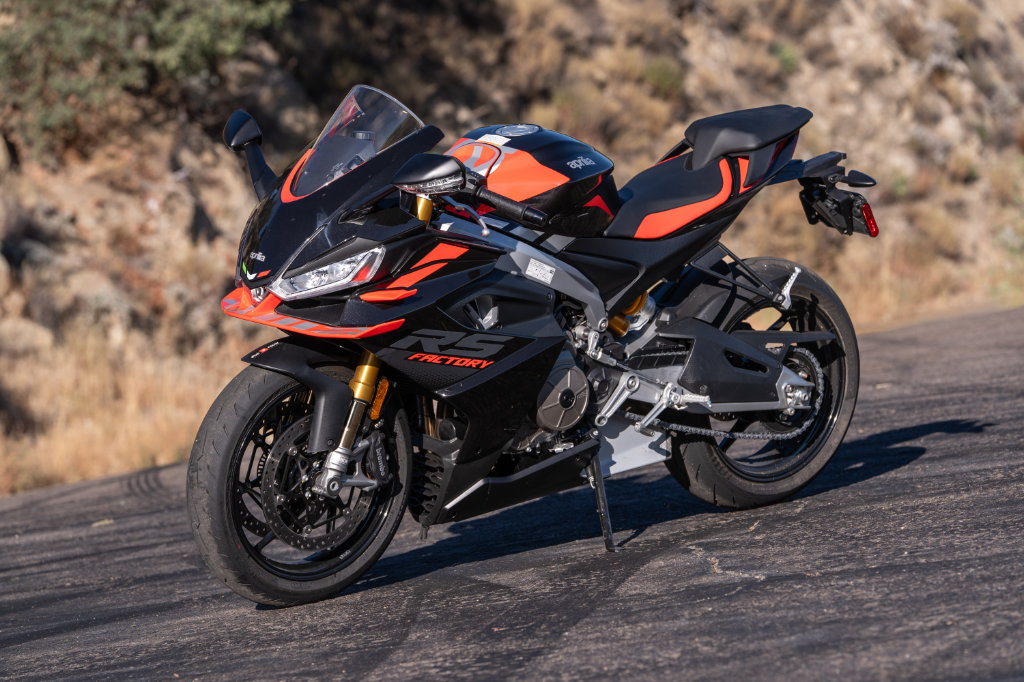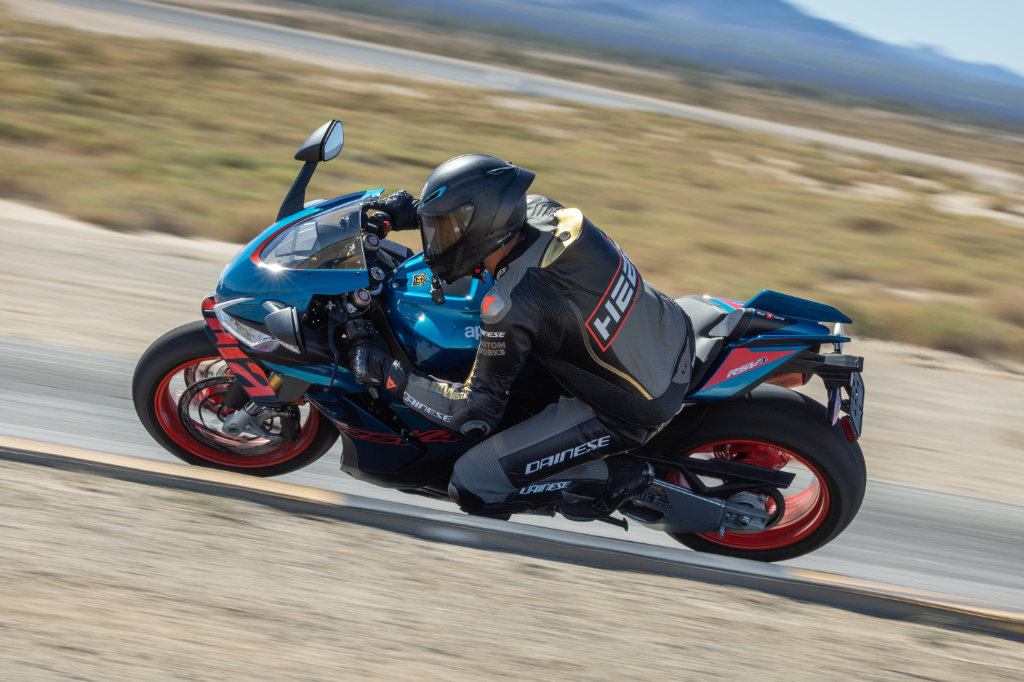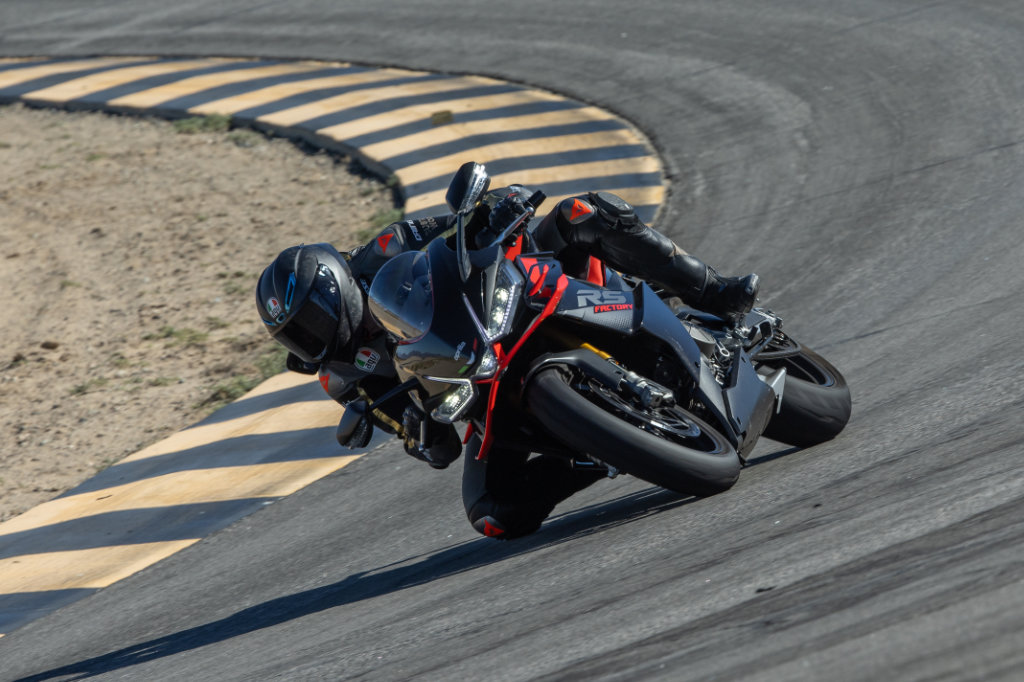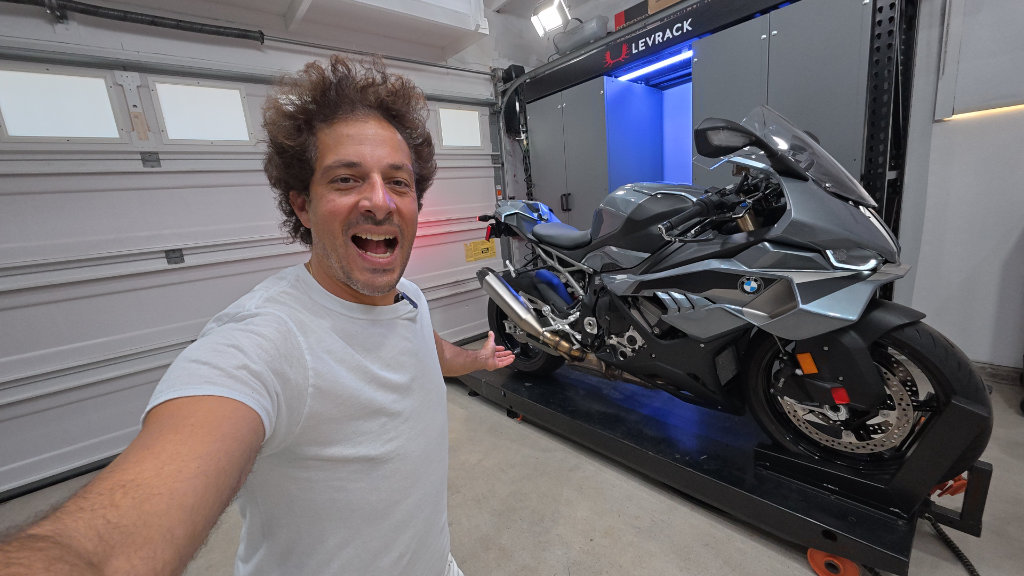
In the American motorcycling landscape, the sportbike segment represents the high-performance frontier, defined by aerodynamic fairings, aggressive forward-leaning ergonomics, and a relentless focus on power-to-weight ratios. While the broader U.S. market has historically been dominated by cruisers and touring bikes, the sportbike segment maintains a dedicated following of enthusiasts who prioritize track-ready agility and cutting-edge technology over long-distance comfort.
The segment is generally categorized into three distinct tiers based on displacement and intended use:
1. Entry-Level (Lightweight)
These motorcycles are designed for newer riders or those seeking a nimble, fuel-efficient machine for urban commuting. They typically feature engines between 300cc and 500cc.
- Key Participants: Kawasaki Ninja 500, Yamaha YZF-R3, Honda CBR500R, and the KTM RC 390.
2. Middleweight (Supersport)
Often considered the “sweet spot” of the segment, middleweights offer a balance of manageable weight and high-revving performance. Traditionally dominated by 600cc inline-fours, this sub-segment has recently seen a “middleweight renaissance” with the rise of more versatile parallel-twins.
- Key Participants: Kawasaki ZX-6R, Honda CBR600RR, Aprilia RS 660, and the Yamaha YZF-R7.
3. Liter-Class (Superbikes & Hyperbikes)
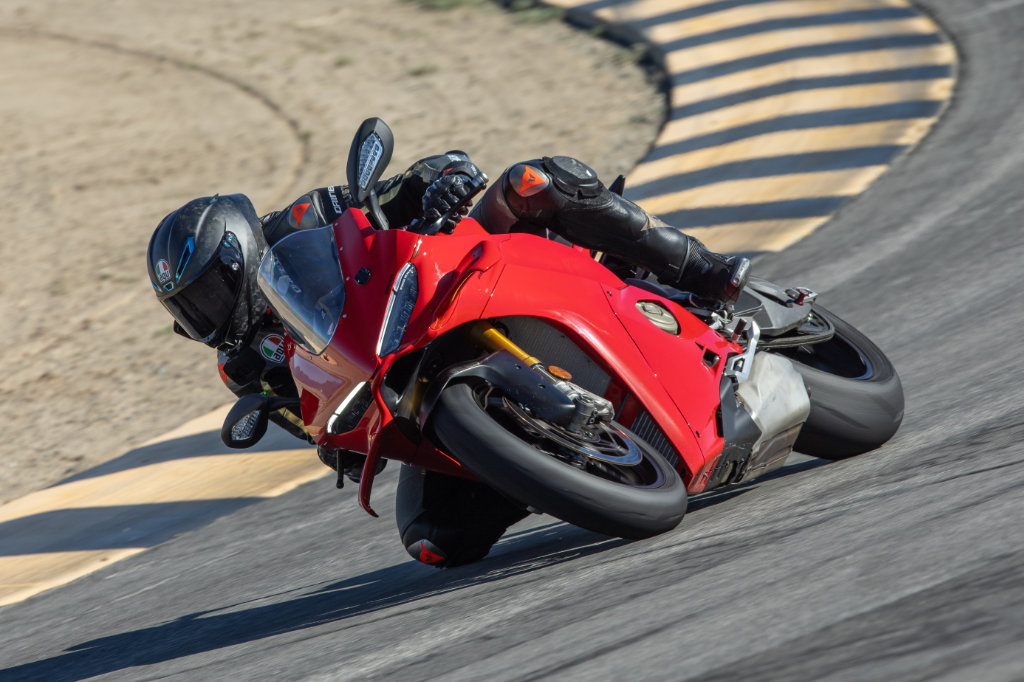
At the pinnacle are the “liter-bikes,” featuring 1,000cc+ engines that often produce over 200 horsepower. These machines are essentially street-legal race bikes, featuring advanced electronics like 6-axis IMUs, slide control, and aerodynamic winglets derived from MotoGP.
- Key Participants: BMW S 1000 RR, Ducati Panigale V4, Yamaha YZF-R1, and the Kawasaki Ninja ZX-10R. At the extreme end, “hyperbikes” like the supercharged Kawasaki Ninja H2 push the boundaries of production speed.
The U.S. market has also seen the emergence of American-made performance, with the Buell Hammerhead 1190 standing as a unique domestic entry in a field otherwise dominated by Japanese and European manufacturers.
-

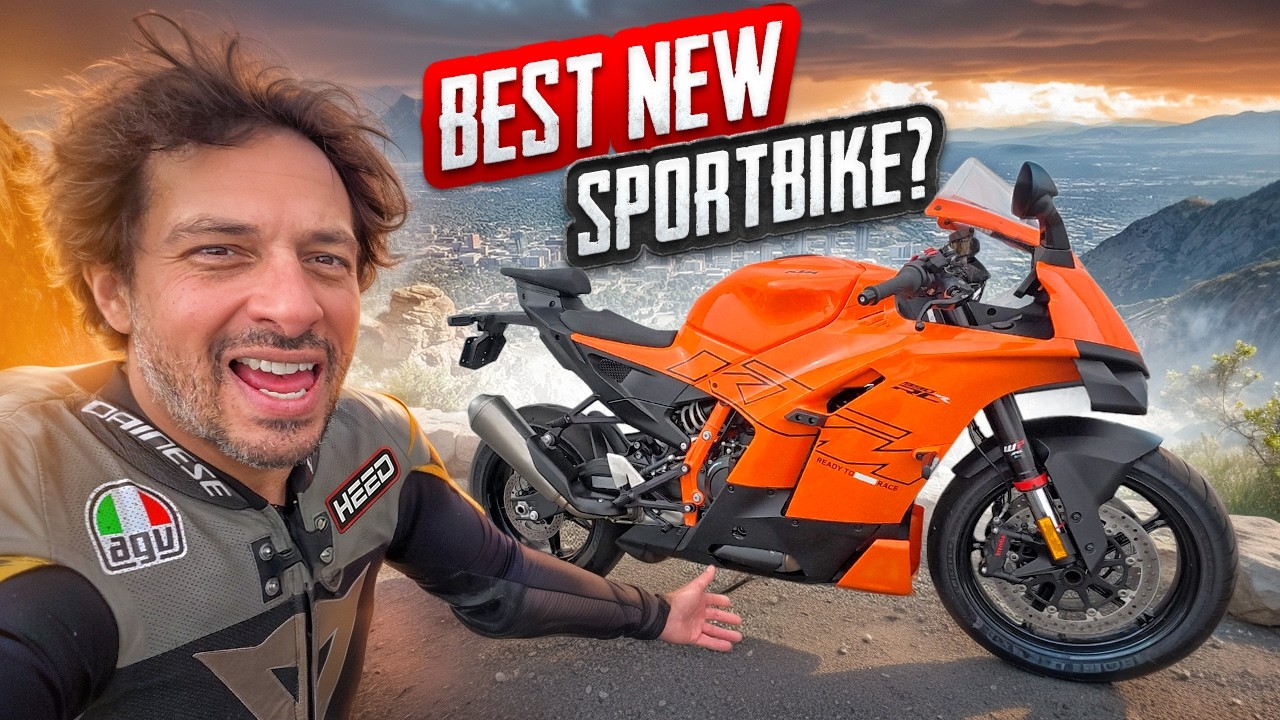
2026 KTM RC 990 RCR Review
2026 KTM RC 990 RCR: MotoGP Style at Chuckwalla Raceway.
-
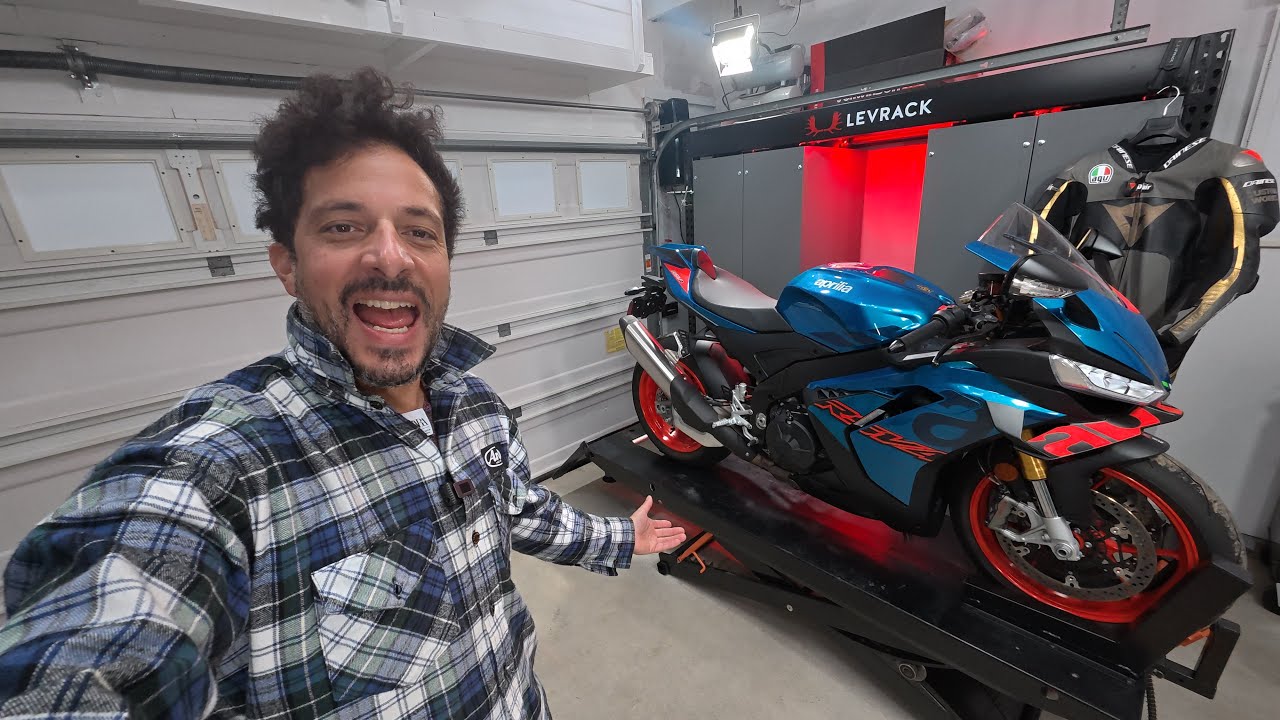
2026 Aprilia RSV4 Garage Talk Review
Experience 195HP with the 2026 Aprilia RSV4 superbike.
-
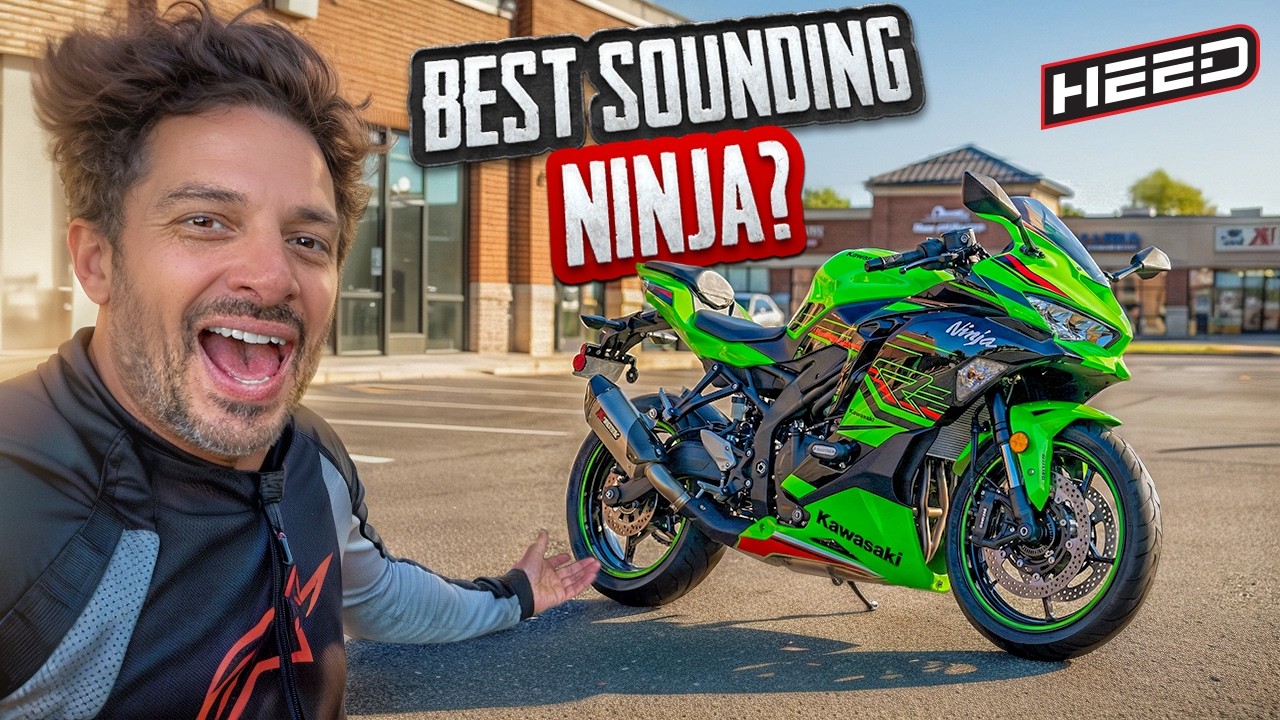
2025 Kawasaki Ninja ZX-4RR Project Bike Review
Ripping the 2025 Kawasaki Ninja ZX-4RR in California!
-

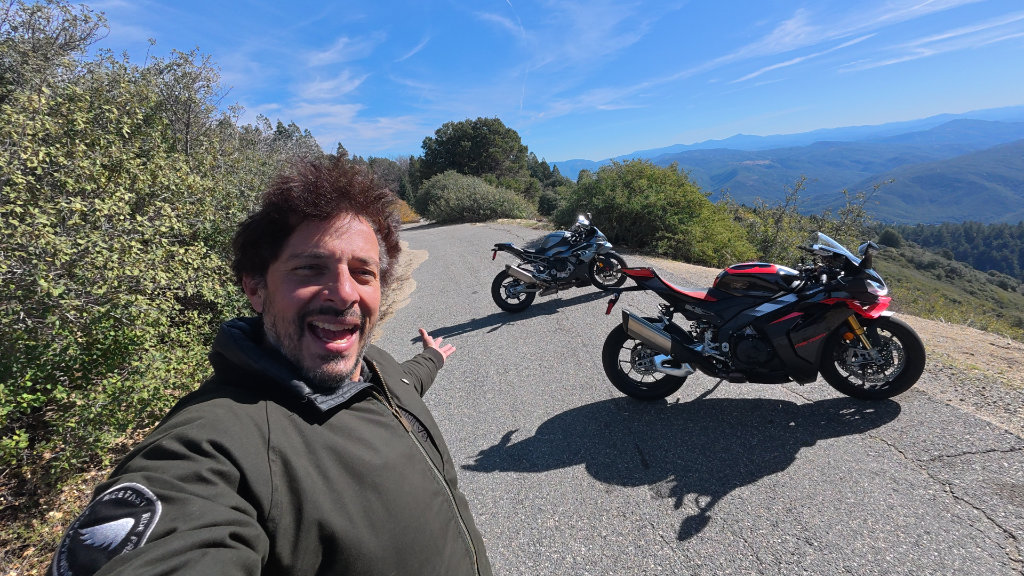
2026 Aprilia RSV4 Factory vs. BMW S1000RR
2026 Superbike Shootout: Aprilia RSV4 vs BMW S1000RR!
-

2025 Yamaha YZF-R9 Street Review
Test ride the new 2025 Yamaha R9 on California’s best roads!
-
2025 Kawasaki Ninja ZX-4RR Project Build
Kawasaki has decided to keep the party alive with a high-revving masterpiece.
-

Norton’s V4 Superbikes: Coming to America in 2027?
Norton V4 superbikes coming to U.S. dealers in 2027!
-
2026 BMW S1000RR Review
Conquering San Diego’s Backroads on the BMW S1000RR There’s a certain expectation…
-
2026 Aprilia RS660 Factory In the Garage Review
The 2026 Aprilia RS 660 Factory takes its turn in the garage.
-
2026 Aprilia RSV4 and RS 660 Factory Reviews
Track testing 2026 Aprilias at Chuckwalla Valley Raceway!
-
Top 5 Reasons the 2026 Aprilia RS 660 Factory Owns the Track
Check out the 5 best features of the 2026 RS 660 Factory!
-
Top 5 Reasons We’re Obsessed with the Kawasaki Ninja ZX-4RR
The ZX-4RR: Big-bike thrills on a small-bike budget!
-
2025 BMW S1000RR Review
BMW’s 2025 S1000RR: 180HP of German precision and comfort.
-
2025 Yamaha YZF-R9 Review
The 2025 Yamaha YZF-R9: All the bark, all the bite.
-
2025 Honda CBR650R Review
In a market saturated with parallel twins, Honda is keeping the soul of the middleweight class alive with the 2025 CBR650R.
-
2025 Yamaha YZF-R9 In the Garage Review
For years, sportbike enthusiasts have been clamoring for a machine that bridges the gap between the approachable YZF-R7 and the fire-breathing YZF-R1.
-
2025 Honda CBR650R Review: The Ultimate Middleweight Sportbike for the Street
The middleweight sport bike category is evolving, and for 2025, Honda is leading the charge with the updated CBR650R.
-

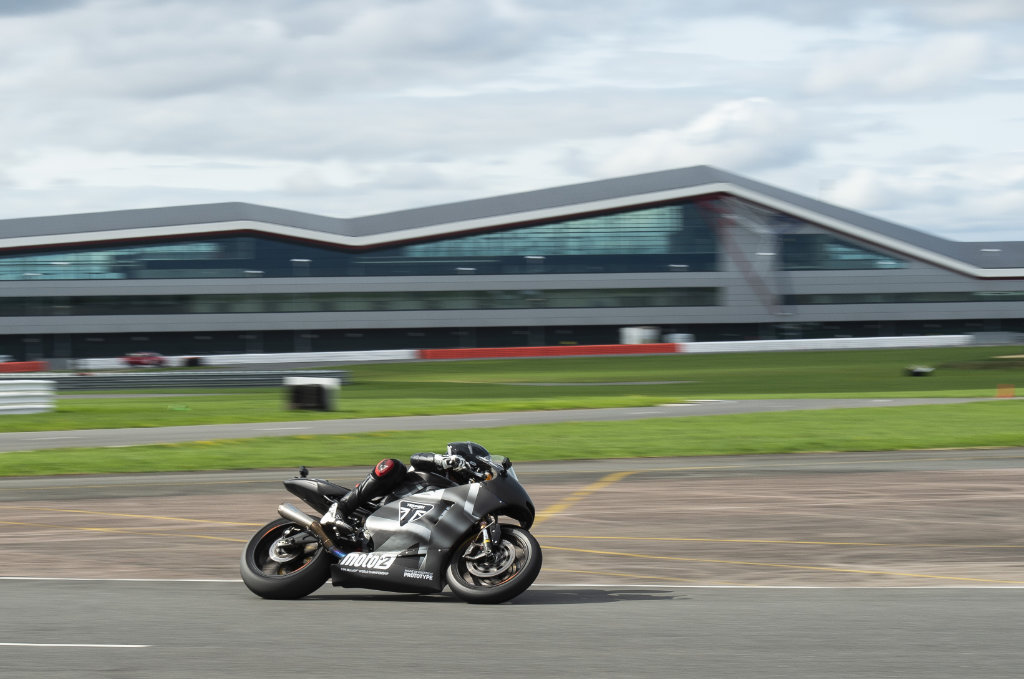
Testing Triumph’s 2019 Moto2 Prototype at Silverstone
From the archives: a never published review of Triumph’s Moto2 Prototype.