Triumph is the quintessential English brand, representing a mix of refined “gentlemanly” style and raw, rebellious performance. The brand’s origins are deeply tied to a German immigrant, Siegfried Bettmann, who moved to Coventry, England, and founded the Triumph Cycle Company in 1886. Initially a bicycle importer, Triumph produced its first motorcycle in 1902—the “No. 1″—which was essentially a bicycle frame fitted with a 2.2-hp Belgian Minerva engine. This success led to a unique parallel history: a sister factory was opened in Bettmann’s hometown of Nuremberg, Germany. For decades, both English and German factories produced Triumph motorcycles, though the German arm eventually branched off to become TWN (Triumph Werke Nürnberg) to avoid confusion with the British parent.
Triumph’s legendary status in America was cemented in the post-WWII era. In 1950, the company formed the Triumph Corporation (TriCor) in Maryland to manage its explosive growth on the East Coast. During the 1950s and 60s, Triumph sold more motorcycles in the U.S. than in any other country. The brand became a cultural icon when Marlon Brando rode a 6T Thunderbird in The Wild One (1953) and Steve McQueen famously piloted a TR6 Trophy in the desert races of California. This era also saw the birth of the Bonneville T120 in 1959, named after the Utah salt flats where Triumph had repeatedly broken land-speed records, establishing the parallel-twin engine as the definitive British powerplant for generations of American riders.
The Hinckley Resurrection
The original Meriden-based company collapsed in 1983, but the brand was saved by British businessman John Bloor. He shifted operations to a state-of-the-art facility in Hinckley, Leicestershire, and spent years modernizing the engineering before relaunching in 1990. Today, Hinckley remains the global headquarters for design, prototyping, and “Center of Excellence” engineering. While Triumph now operates large-scale manufacturing plants in Thailand to meet global demand, the brand’s high-precision components and flagship machines—like the world’s largest displacement production bike, the Rocket 3—maintain a strictly British soul. For the U.S. enthusiast, the modern Hinckley era has brought a perfect balance of vintage “Modern Classic” aesthetics and world-class reliability.
Triumph in 2025: Motocross and Modern Muscle
In 2025, Triumph is executing its most aggressive expansion in history, specifically targeting the heart of the American market. The headline for the year is the full-scale arrival of the TF 250-X and the all-new TF 450-RC, marking Triumph’s first serious entry into the competitive U.S. motocross scene. On the pavement, the 2025 Speed Twin 1200 RS has been refreshed with upgraded Marzocchi suspension and Brembo Stylema brakes, while the Tiger 900 series continues to dominate the mid-weight adventure segment with integrated GoPro control and Google-powered turn-by-turn navigation. Additionally, 2025 marks the launch of the “Reserve My Triumph” digital platform in the U.S., allowing riders to customize and secure limited-edition models like the Thruxton Final Edition directly from their phones. Whether it’s the 2,500cc Rocket 3 Storm or the accessible Speed 400, Triumph in 2025 remains a master of blending its 123-year heritage with cutting-edge performance.
-
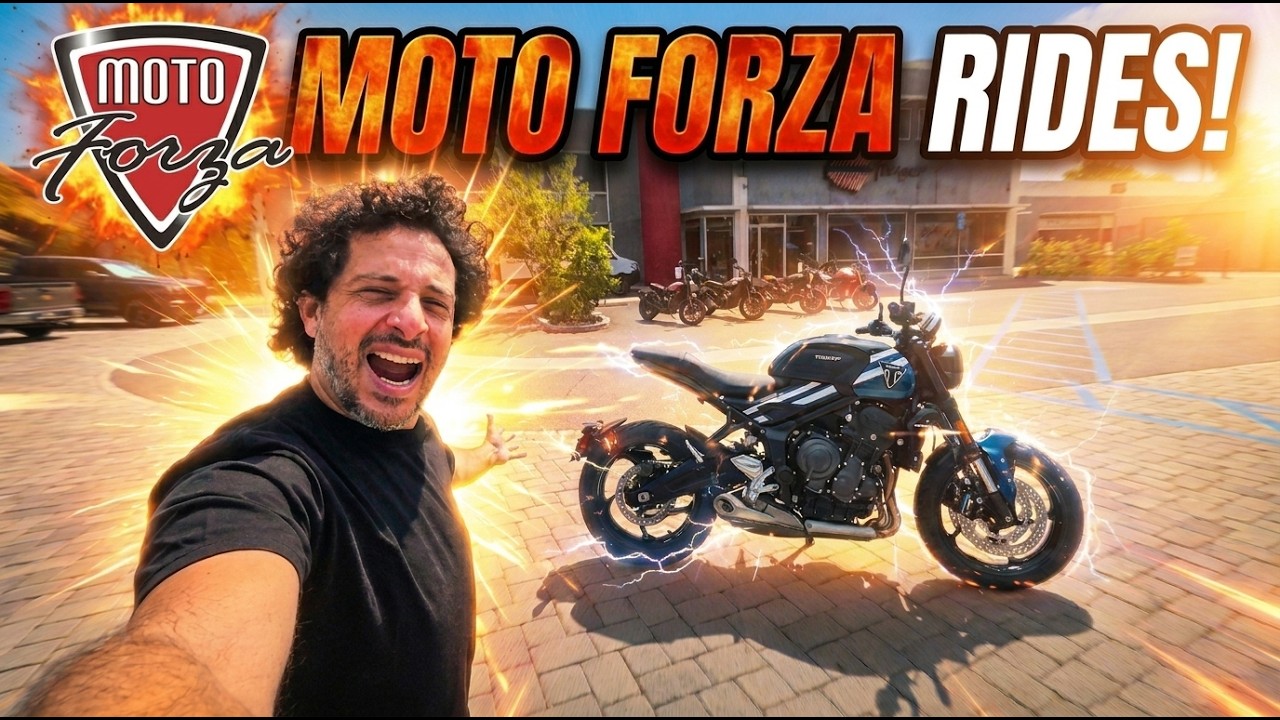
2025 Triumph Trident 660 Review: San Diego Naked Bike Deal
Is This $7,500 Escondido Deal the Best Value Naked Bike?
-
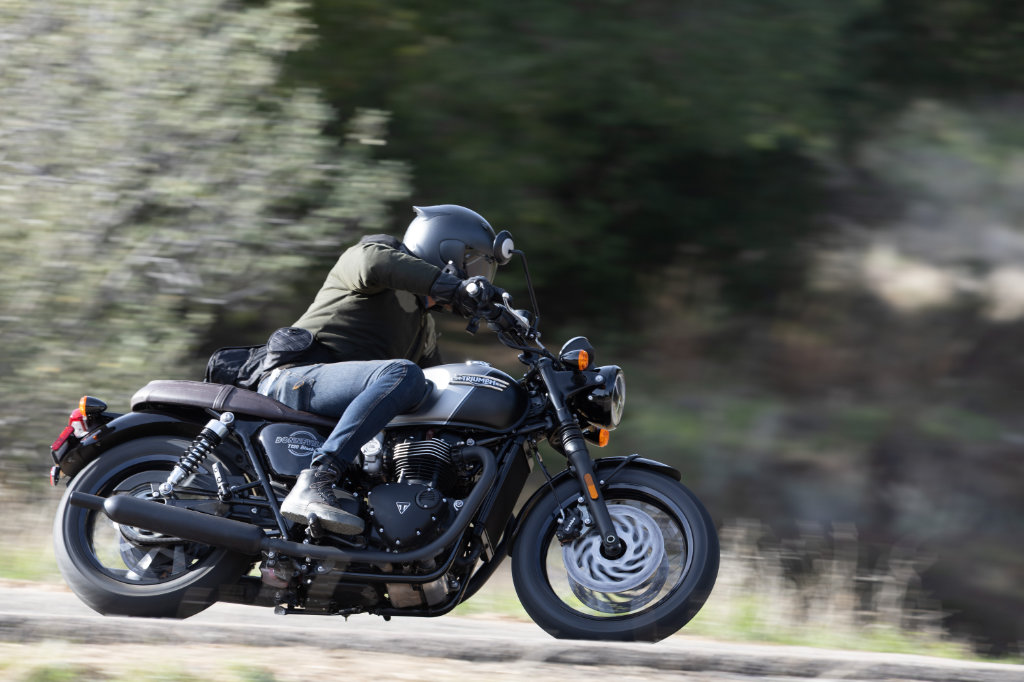
2026 Triumph Bonneville T120 Review and First Ride
Triumph has a knack for making a brand-new motorcycle feel like a long-lost friend.
-

2026 Triumph Bonneville T100 Review and First Ride
Timeless style meets 899cc of modern British muscle.
-
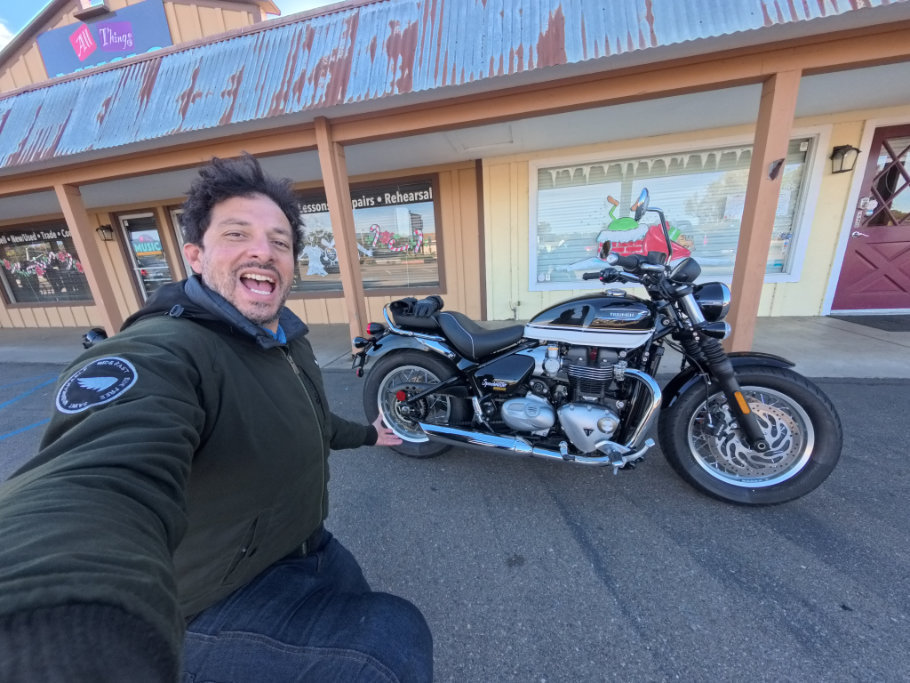
2026 Triumph Bonneville Speedmaster First Ride and Review
Triumph’s 2026 Speedmaster: Classic style meets 1200cc power.
-
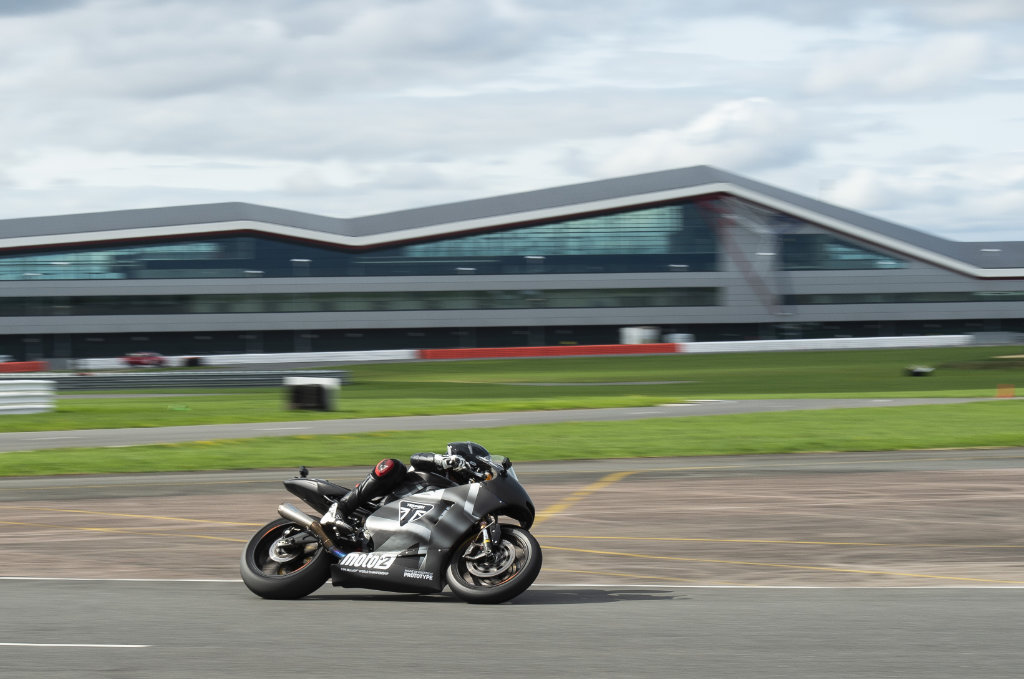
Testing Triumph’s 2019 Moto2 Prototype at Silverstone
From the archives: a never published review of Triumph’s Moto2 Prototype.
-
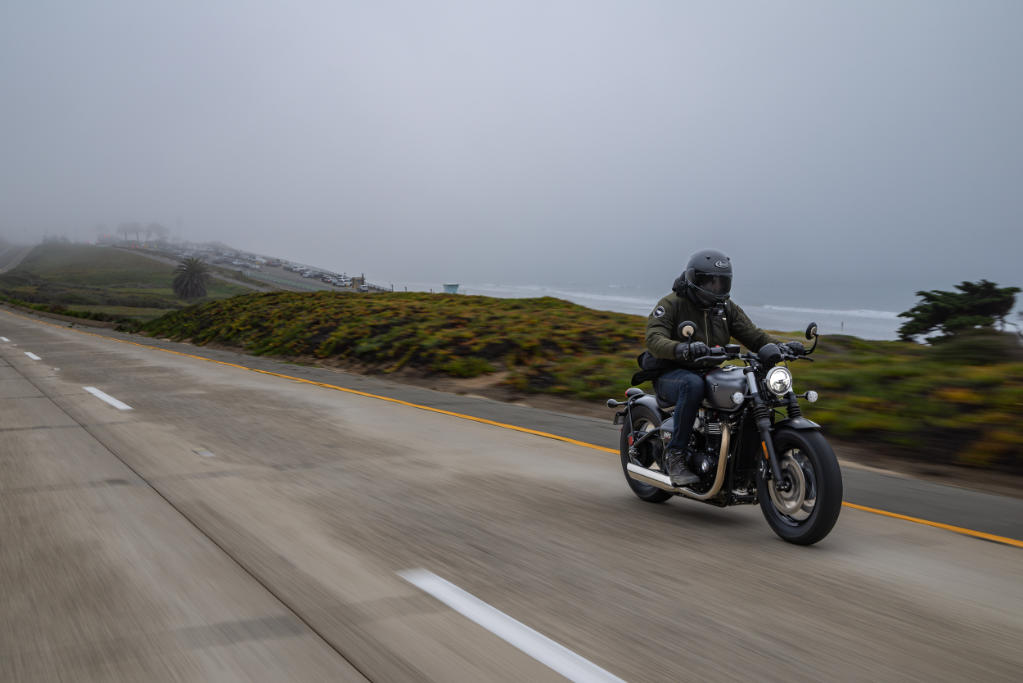
2026 Triumph Bonneville Bobber First Ride and Review
Urban Attitude Meets Classic British Engineering If you’re looking for a motorcycle that prioritizes “cool factor” and raw presence over highway touring comfort, the 2026 Triumph Bonneville Bobber is making a strong case for your garage. This 1200cc parallel-twin is a bike designed specifically to make a scene. Performance: Gobs of Torque At the heart…
-
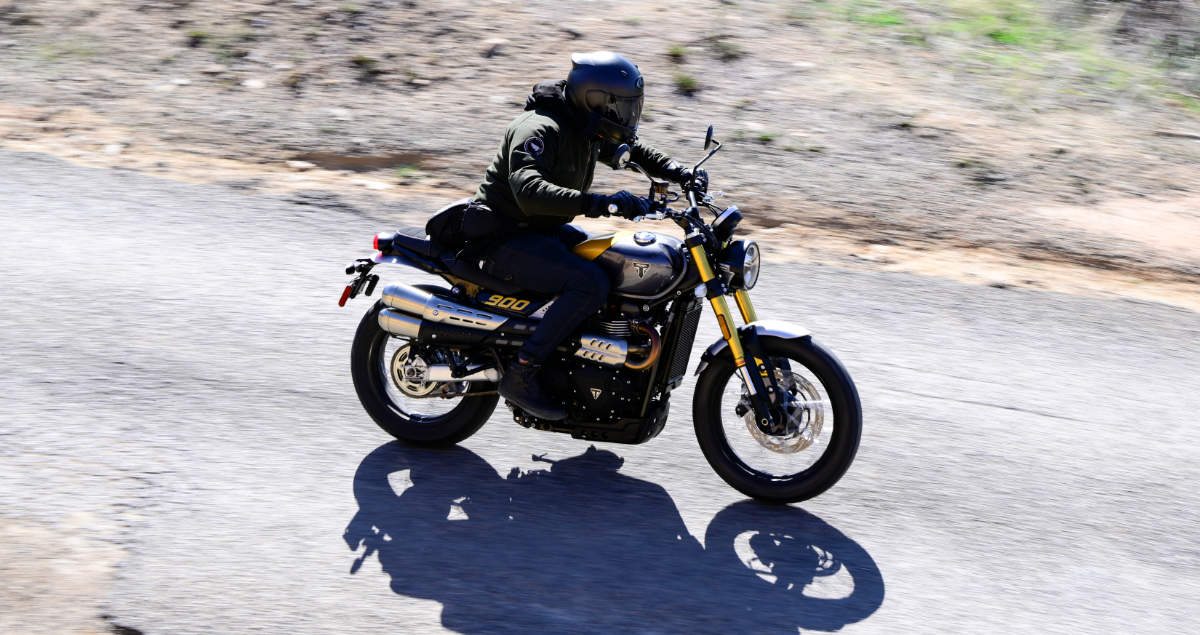
2026 Triumph Scramber 900 First Ride
The 2026 Triumph Scrambler 900 continues the legacy of the Hinckley brand’s iconic modern classic line, offering a motorcycle that successfully bridges the gap between vintage aesthetic and contemporary engineering. This latest iteration remains a mid-sized, road-biased scrambler that pays homage to the desert sleds of the 1960s and 70s, famously piloted by legends like…