Kawasaki is the “performance first” brand that famously prioritized speed and engineering audacity. While today it is a cornerstone of the “Big Four” Japanese manufacturers, Kawasaki’s entry into the motorcycle world was a strategic diversification of Kawasaki Heavy Industries, a global giant that builds everything from bullet trains to oil tankers. Founded in 1878 by Shozo Kawasaki as a shipyard, the company didn’t produce its first motorcycle engine until 1953. In 1966, the brand made a bold move by opening American Kawasaki Motorcycle Corp. in a humble Chicago meat warehouse. Realizing that U.S. riders craved more excitement than small two-strokes could provide, they launched the Mach III 500cc triple in 1969, instantly cementing Kawasaki’s reputation for raw, “widow-maker” acceleration.
The 1970s marked Kawasaki’s most significant commitment to the American market. In 1974, Kawasaki became the first foreign vehicle manufacturer to open a manufacturing plant on U.S. soil, located in Lincoln, Nebraska. This plant allowed Kawasaki to build bikes like the legendary Z1 900—the 1972 machine that dethroned the Honda CB750 as the world’s most powerful production bike—directly in the heart of the country. This era also saw the birth of the Ninja brand in 1984 with the GPz900R, a nameplate that remains the gold standard for sportbikes in America, famously immortalized by Tom Cruise in the film Top Gun.
The Lincoln and Akashi Connection
Today, Kawasaki’s motorcycle business operates through a sophisticated global network. While the high-performance engines and flagship models are often developed at the Akashi Plant in Japan, the Lincoln, Nebraska facility remains a massive hub for North American operations, producing ATVs, Side x Sides, and even the world-famous Jet Ski (a name Kawasaki trademarked). For the U.S. rider, this means Kawasaki is more than just an importer; it is a domestic employer with a deep understanding of American scale and utility, reflected in the ruggedness of the KLR 650 dual-sport and the massive Vulcan touring cruisers.
Kawasaki in 2025: Supercharged and Hybrid Horizons
In 2025, Kawasaki is leading the industry into a new era of propulsion. The brand has made history by launching the world’s first mass-produced strong hybrid motorcycles, the Ninja 7 Hybrid and Z 7 Hybrid, which offer the acceleration of a 1,000cc bike with the fuel economy of a 250cc. Meanwhile, their “hypersport” dominance continues with the supercharged Ninja H2 series, which remains the only forced-induction production motorcycle lineup available to U.S. consumers. For 2025, Kawasaki has also refreshed its core lineup with the new Ninja 1100SX and Versys 1100, featuring increased displacement and a suite of “Rideology” app-connected electronics. Whether it’s the retro-cool W230 or the world-title-defending ZX-10R, Kawasaki in 2025 remains fiercely committed to its “Good Times” philosophy.
-
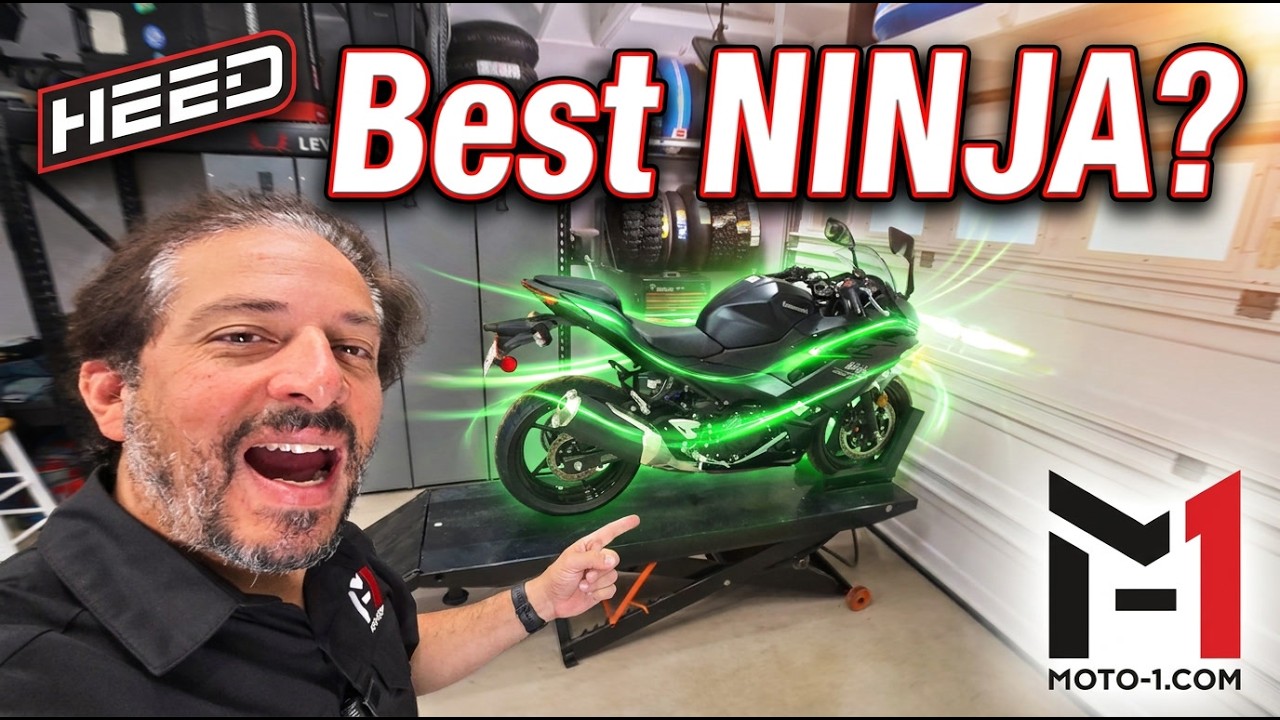
2026 Kawasaki Ninja 500 Review
Kawasaki’s Ninja 500 is lightweight, punchy, and priced right for every rider.
-
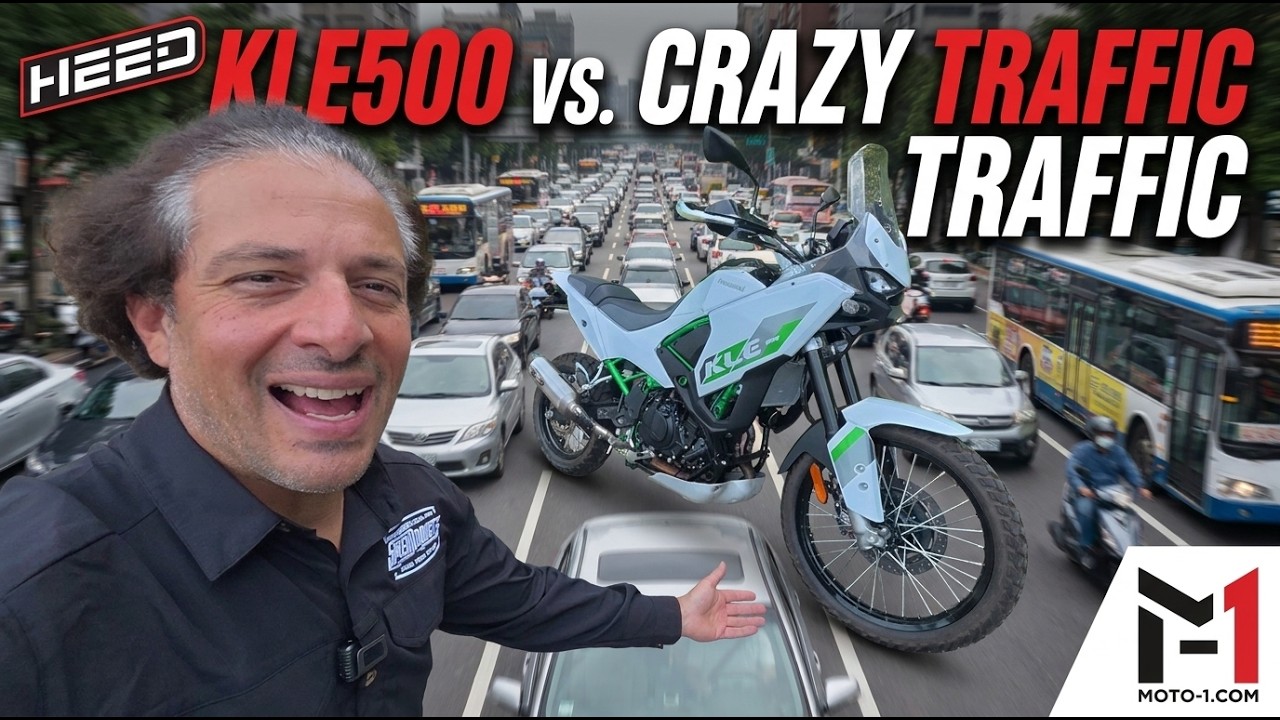
2026 Kawasaki KLE500 Real MC Commute Review
Is Kawasaki’s KLE500 a worthy option for the motorcycle commuter?
-
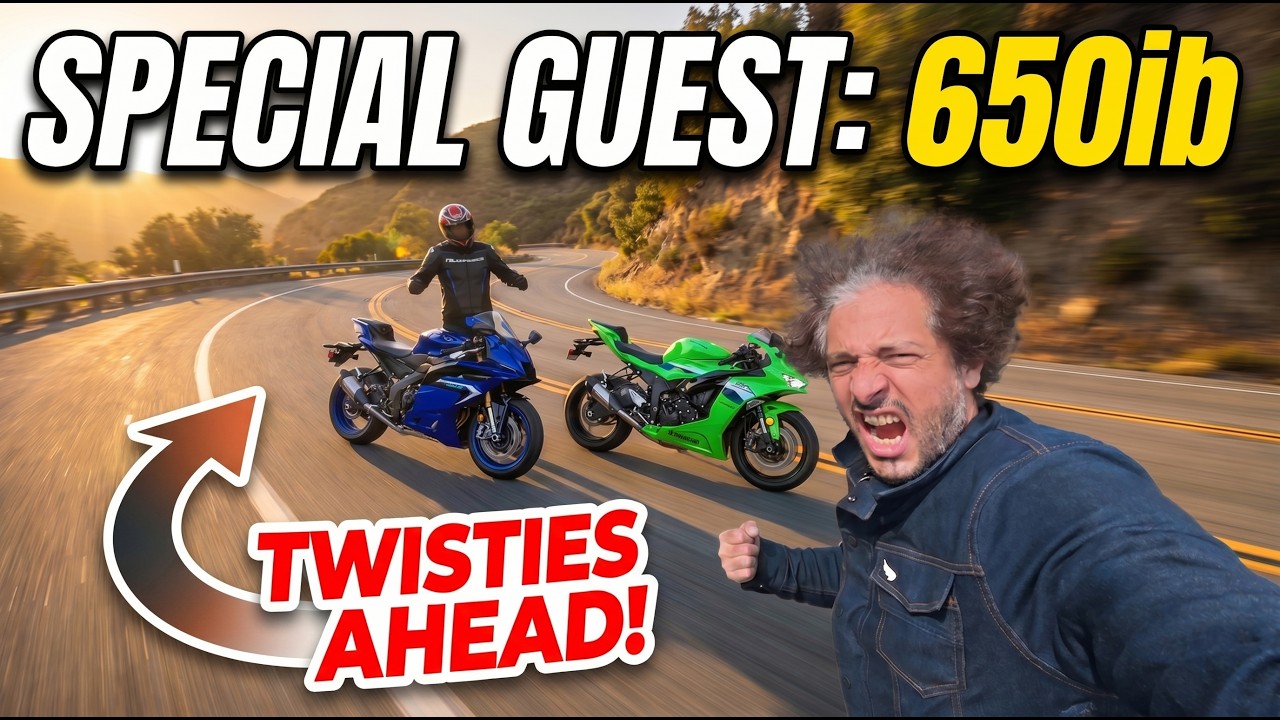
Supersport Showdown: Kawasaki Ninja ZX-6R vs. Yamaha YZF-R9
Two middleweight sportbikes, two very different ideas of speed.
-
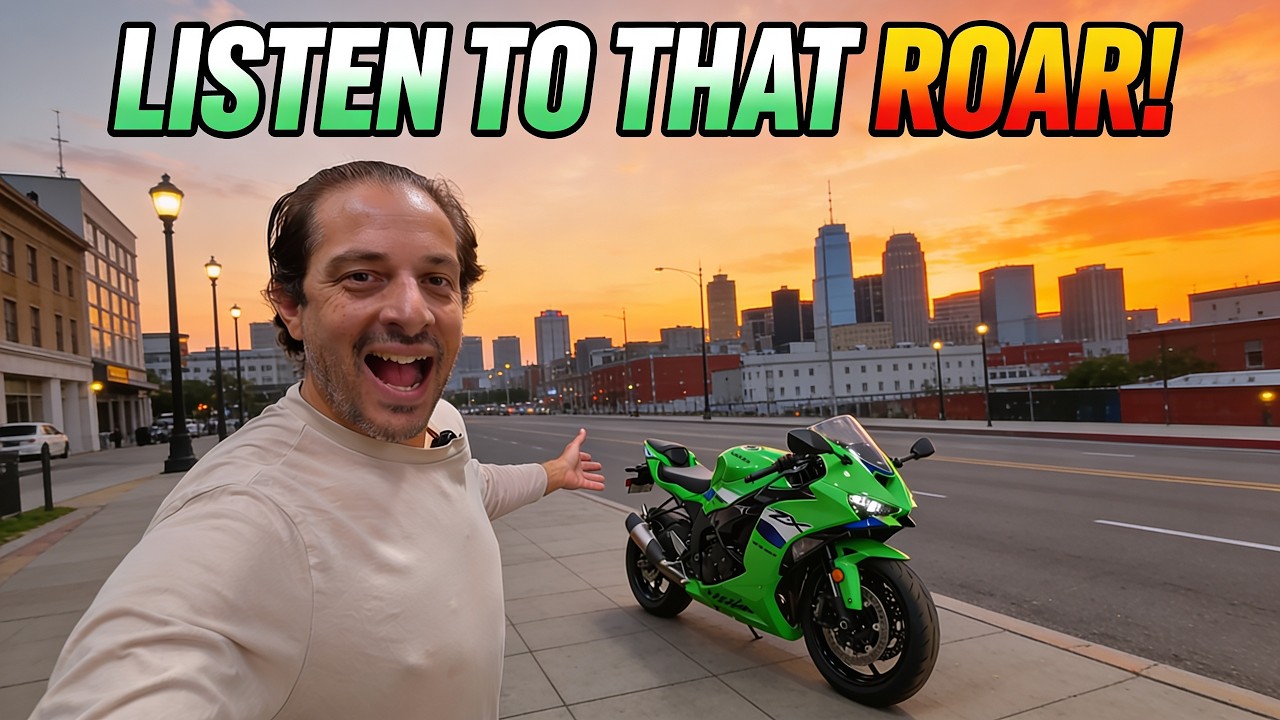
2026 Kawasaki Ninja ZX-6R Review – Out on the Road
Old-school supersport soul meets modern street performance.
-
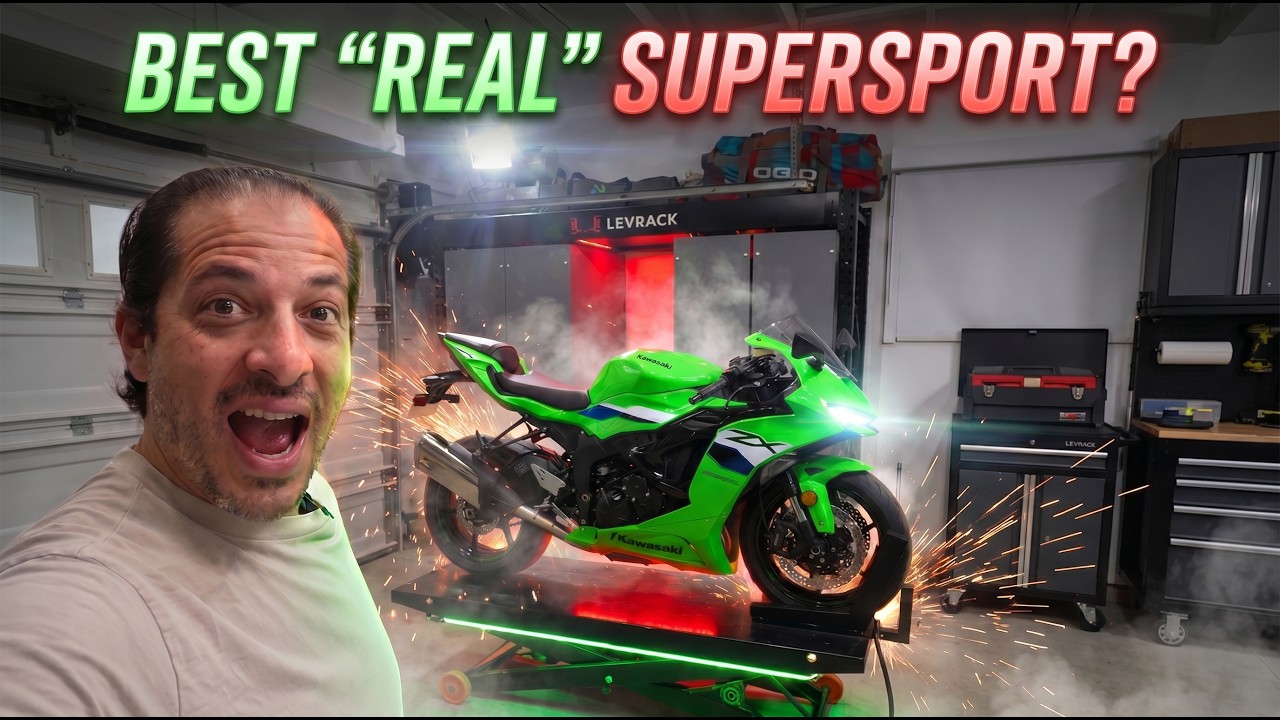
2026 Kawasaki Ninja ZX-6R Review
Get up to speed on Kawasaki’s Ninja ZX-6R sportbike in this Garage Talk episode.
-
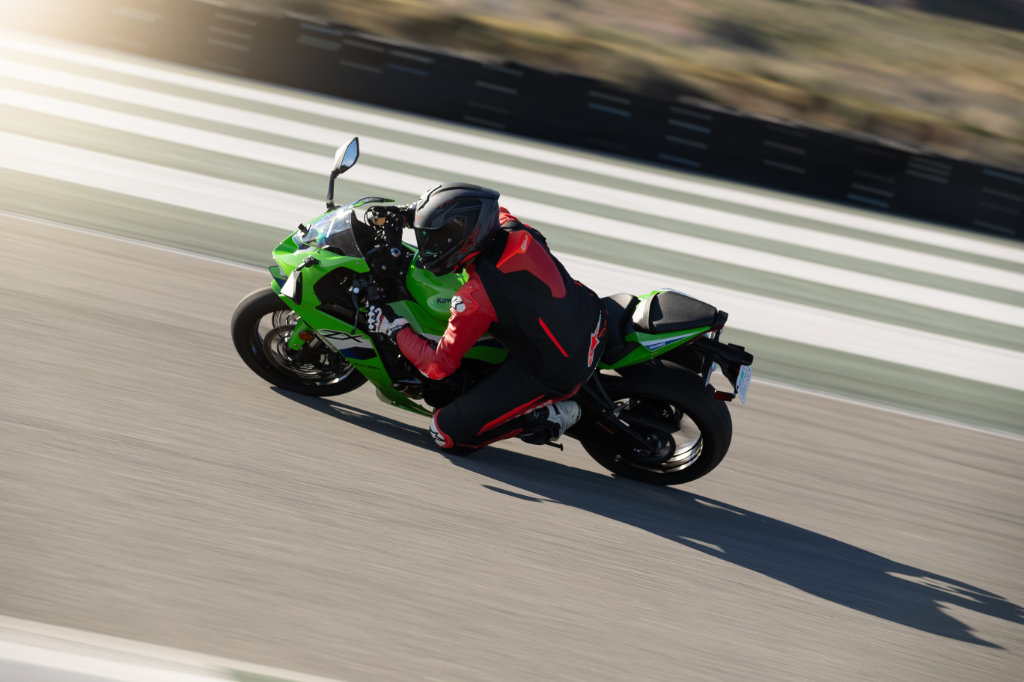
Top 5 Review: 2026 Kawasaki Ninja ZX-6R
2026 Kawasaki ZX-6R: The Best Value Sportbike in America.
-
2025 Kawasaki Ninja ZX-4RR Project Bike Review
Ripping the 2025 Kawasaki Ninja ZX-4RR in California!
-
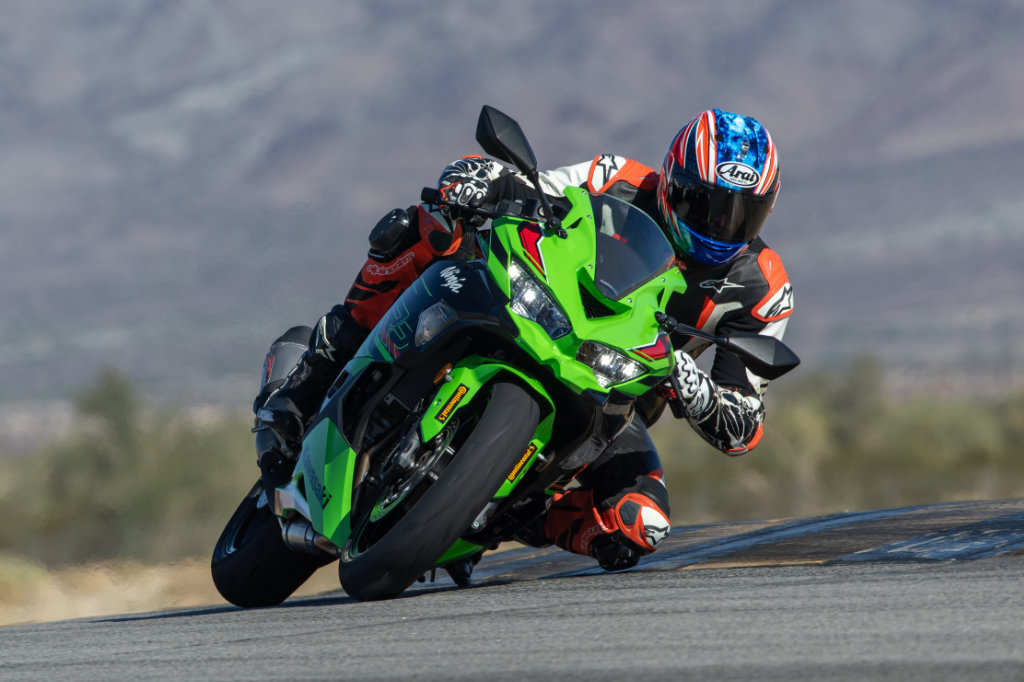
2025 Kawasaki Ninja ZX-4RR Project Build
Kawasaki has decided to keep the party alive with a high-revving masterpiece.
-
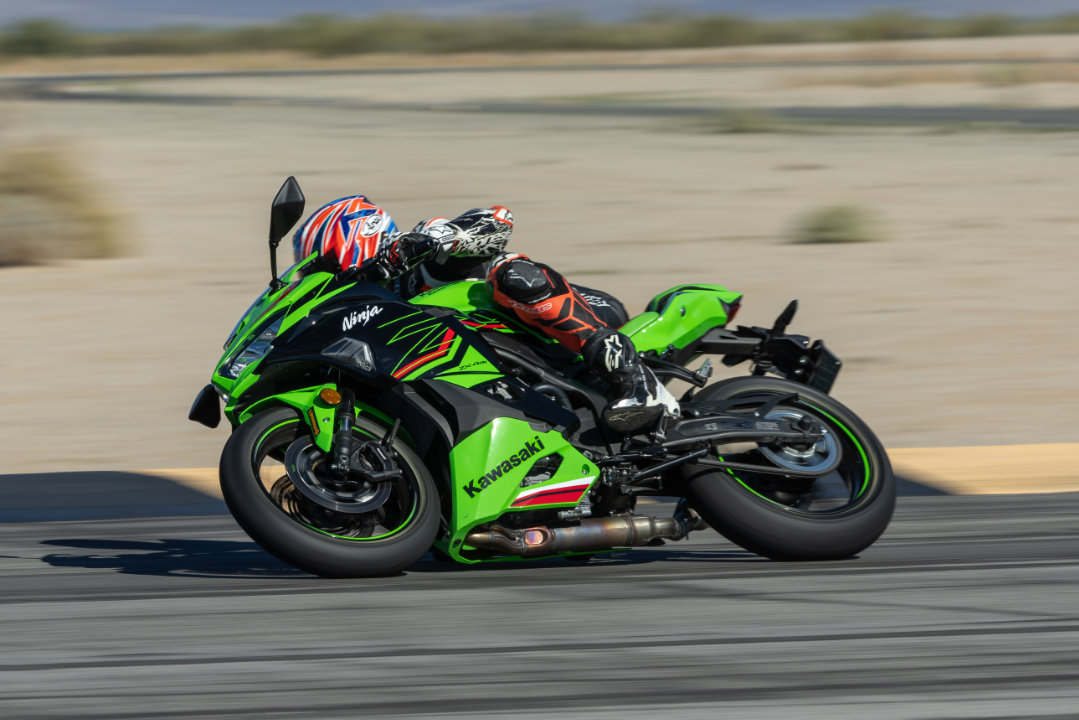
Top 5 Reasons We’re Obsessed with the Kawasaki Ninja ZX-4RR
The ZX-4RR: Big-bike thrills on a small-bike budget!