For U.S. riders, the motorcycle helmet is the ultimate piece of protection, a piece of motorcycle gear that has evolved from a stylish suggestions into a high-tech survival cell. While early riders in the 1900s were content wearing leather aviator caps or wool flat caps (which were excellent at keeping hair in place but offered the structural integrity of a wet paper bag), the real shift began in 1935. After the legendary T.E. Lawrence (Lawrence of Arabia) died from head injuries in a crash, his neurosurgeon, Sir Hugh Cairns, began a crusade for head protection. However, it took until 1953 for Charles Lombard, a researcher for the U.S. Air Force, to patent the “modern” helmet structure we use today: a hard outer shell paired with an energy-absorbing liner.
The American chapter of this story belongs to Roy Richter, who founded Bell Helmets in 1954 in a one-car garage behind an auto parts store in Bell, California. Richter, seeing his friends die in racing accidents, created the Bell 500, the first fiberglass “hard” helmet. In 1957, the non-profit Snell Memorial Foundation was formed to push safety standards beyond the bare minimum, named after racer Pete Snell who died in a helmet that failed him. By 1967, Bell changed the game again with the Star, the first mass-produced full-face helmet. Initially, some riders complained it felt “claustrophobic”—a small price to pay for not having to pick gravel out of one’s teeth.
The Standardized Safety Dance
Navigating helmet safety in the U.S. is a bit like reading a bowl of alphabet soup. Since the 1970s, the DOT (Department of Transportation) sticker has been the legal baseline, though critics often joke that “DOT” stands for “Did Our Test?” because the government relies on manufacturers to self-certify. For those who want more than just a sticker, the ECE 22.06 (the rigorous new 2024–2026 European standard) and Snell M2020 ratings offer much higher bars of impact management. Today, manufacturing has shifted from heavy resins to aerospace materials like pre-preg carbon fiber and Kevlar, allowing for lids that are light enough to forget you’re wearing them but strong enough to survive a literal “meeting of the minds” with the pavement.
Helmets in 2026: HUDs and Haptics
In 2026, the helmet has officially joined the Internet of Things. We are no longer just looking at foam and plastic; we are looking at “Smart Helmets” that would make Iron Man jealous. The 2026 Sena Outrush HUD and the CrossHelmet X1 have normalized Heads-Up Displays, projecting navigation, speed, and even a 360-degree rearview camera feed directly onto the visor. Meanwhile, MIPS (Multi-directional Impact Protection System), which allows the helmet to slip slightly during an impact to reduce brain-scrambling rotational forces, has become standard in everything from budget lids to $1,000 race shells. Whether you’re wearing a retro-chic Bell Bullitt or a tech-heavy Shoei Neotec 3, the 2026 helmet is a silent partner that manages your music, maps your route, and—most importantly—keeps your head from becoming a “totaled” part of your bike’s inventory.
Key Historical Milestones
| Year | Milestone | Significance |
| 1914 | First “Helmet” | British Dr. Eric Gardner uses shellacked canvas for the Isle of Man TT. |
| 1954 | Bell 500 | Roy Richter launches the first mass-produced fiberglass helmet in CA. |
| 1957 | Snell Founded | The birth of independent, high-standard safety testing in the U.S. |
| 1967 | The Bell Star | First full-face helmet; revolutionized protection and aerodynamics. |
| 2024 | ECE 22.06 | Introduction of the strictest global safety standard to date. |
| 2026 | HUD & AI Integration | Smart helmets become mainstream with built-in AR and rearview tech. |
-
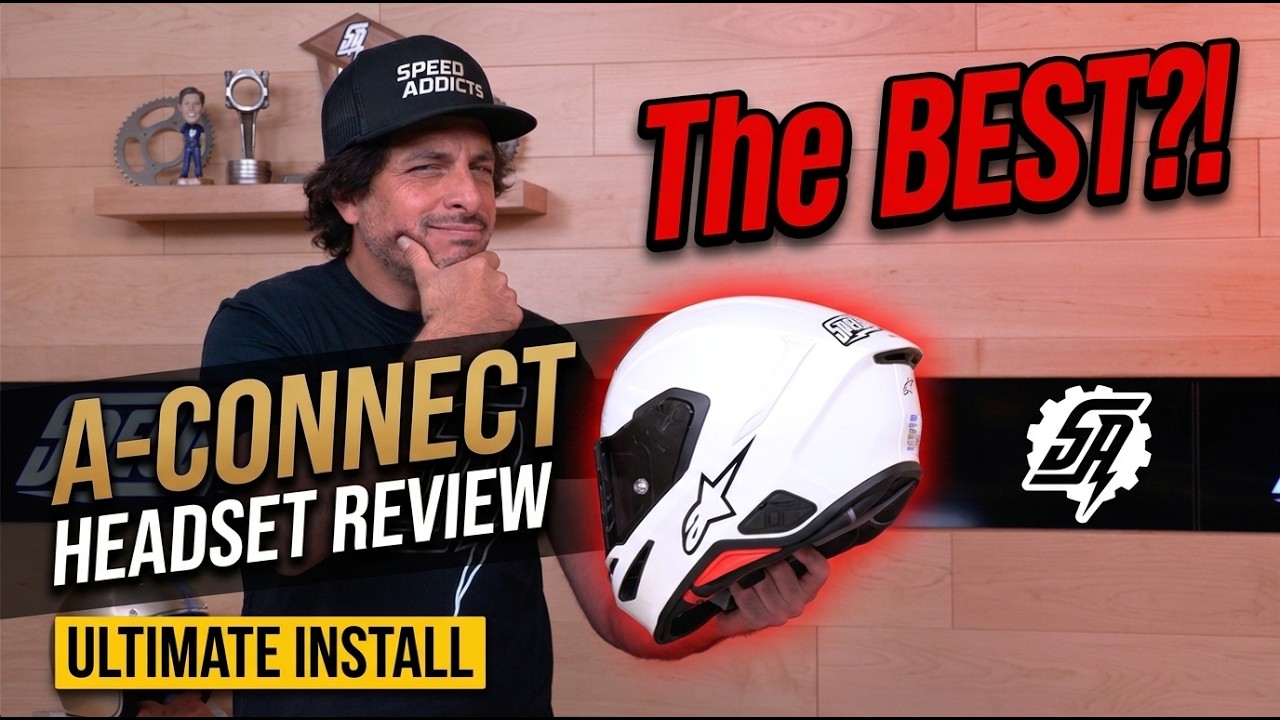
Alpinestars A-Connect Review and Install
A-Connect is a Sena-powered Mesh 3.0 communicator that installs cleanly into the Supertech R7.
-

Cardo Beyond GTS Review
Cardo’s $1,299 Beyond GTS packs a mesh intercom, big speakers and ANC into one carbon lid.
-

Speed Addicts Bike Night Season 2026 Finale
Orange County’s Ultimate Two-Wheeled Extravaganza.
-
Demystifying Motorcycle Helmet Safety Ratings: DOT vs. ECE vs. Snell
Decoding Helmet Safety Standards: DOT vs. ECE vs. Snell.
-

Cardo Beyond GTS Helmet Review
Cardo’s First Smart Street Helmet Sets a High-End Benchmark.
-
Shoei RF-SR 2 Review
Shoei RF-SR2 Unboxed: What’s New With the $500 Japanese Lid.
-
When Should You Replace Your Motorcycle Helmet?
Smart safety rules for when to retire your helmet.
-
Cardo Venture Off-Road Helmet: Integrated Tech Done Right
Cardo and Leatt team up for a seamless off-road lid.
-
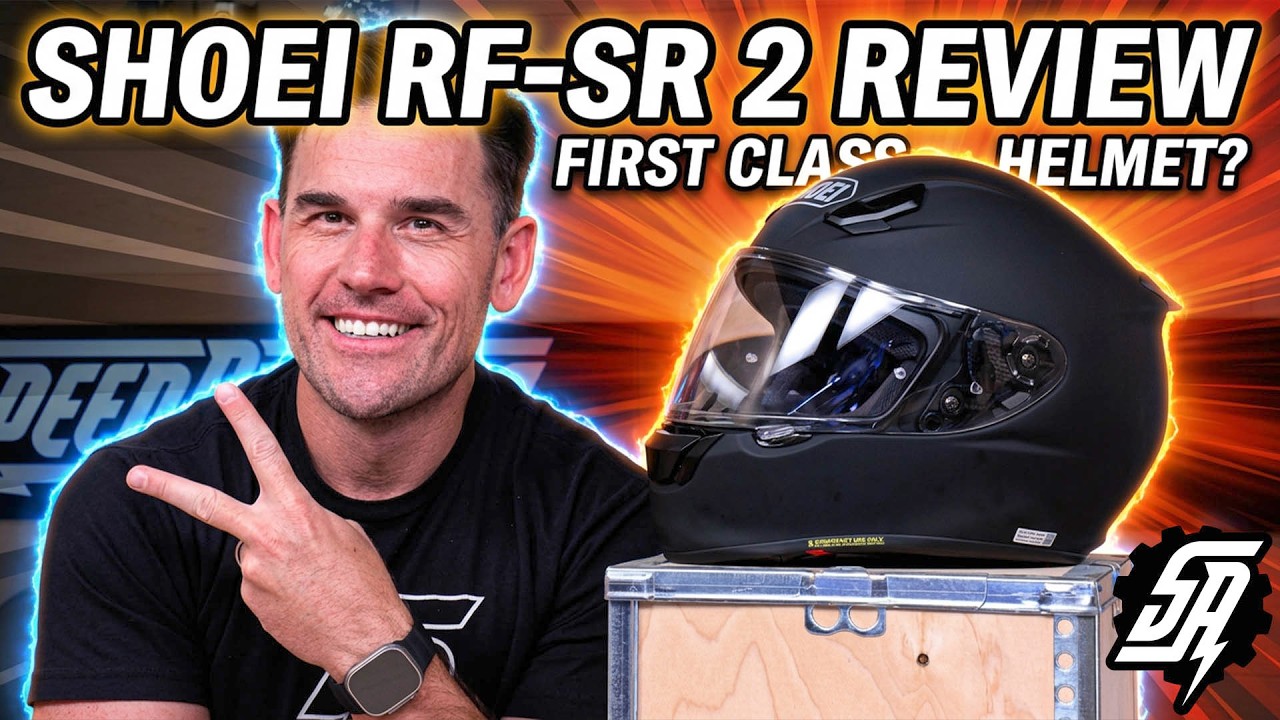
Shoei RF-SR2 Preview
Shoei shows off a updated (flagship) entry-level-ish street bike helmet.
-
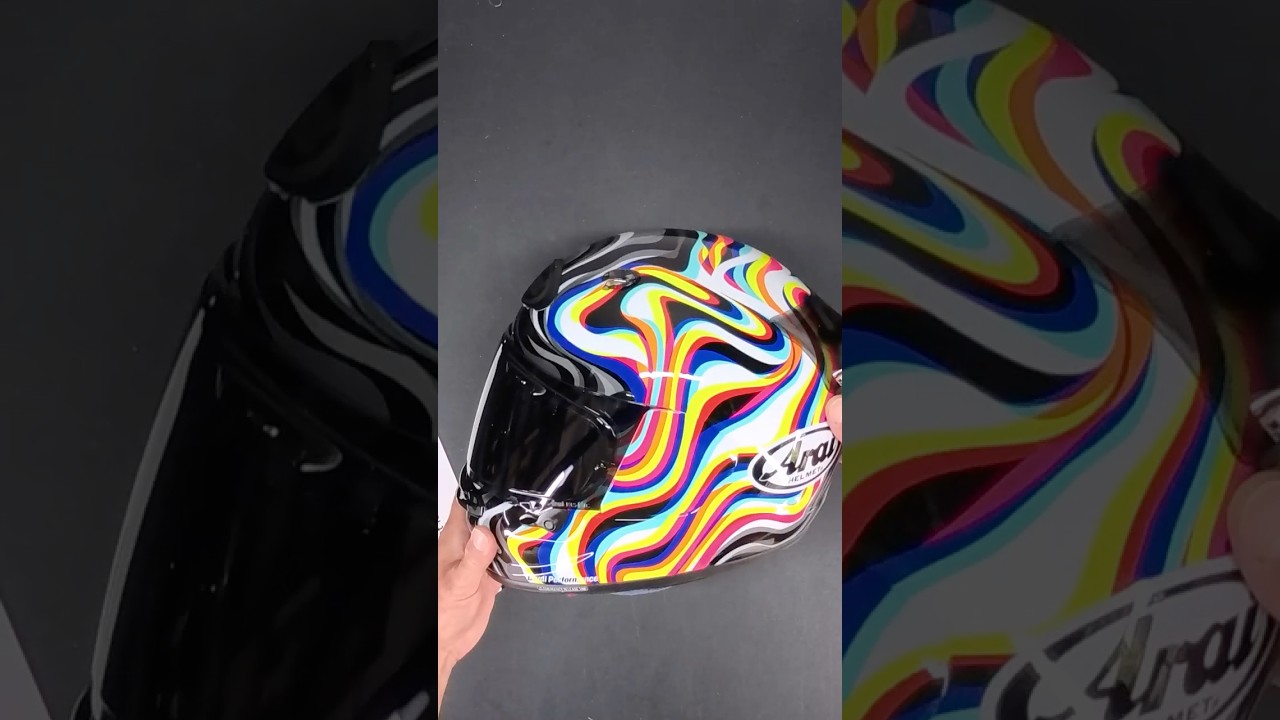
Arai Contour-X Swirl White Helmet First Look
Premium full-face head protection for real American sport riders.
-

Cardo Venture Helmet Review: Testing the Ultimate Off-Road Lid?
Mammoth Lakes Moto-Magic: Cardo’s Fully Integrated Off-Road Lid
-
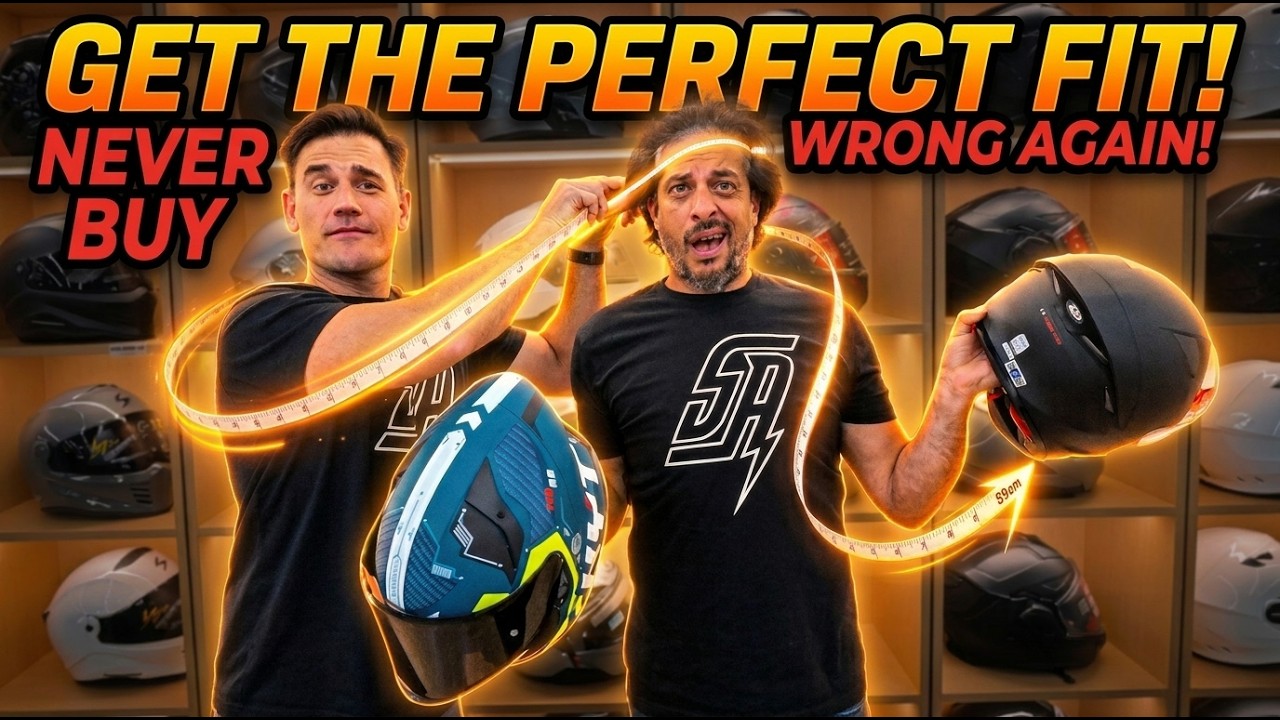
Best Motorcycle Helmet Fitment Guide: How to Buy Online
Finding the right motorcycle helmet online shouldn’t feel like a high-stakes guessing game.
-
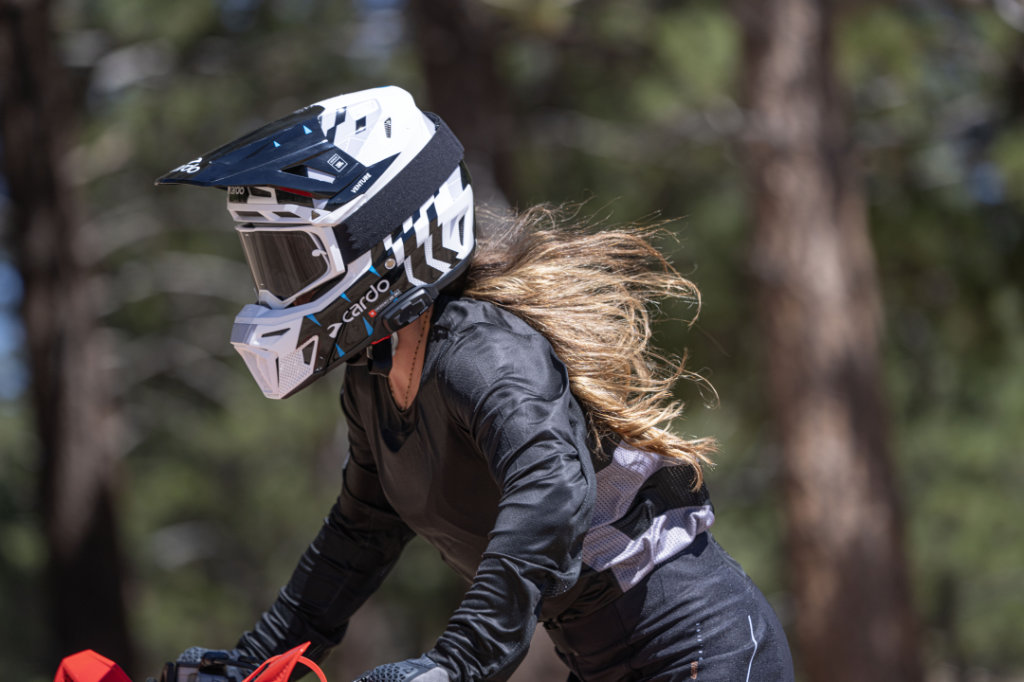
Cardo Venture Helmet Review
We try out Cardo Systems Venture off-road helmet, that boasts fully integrated communication.
-
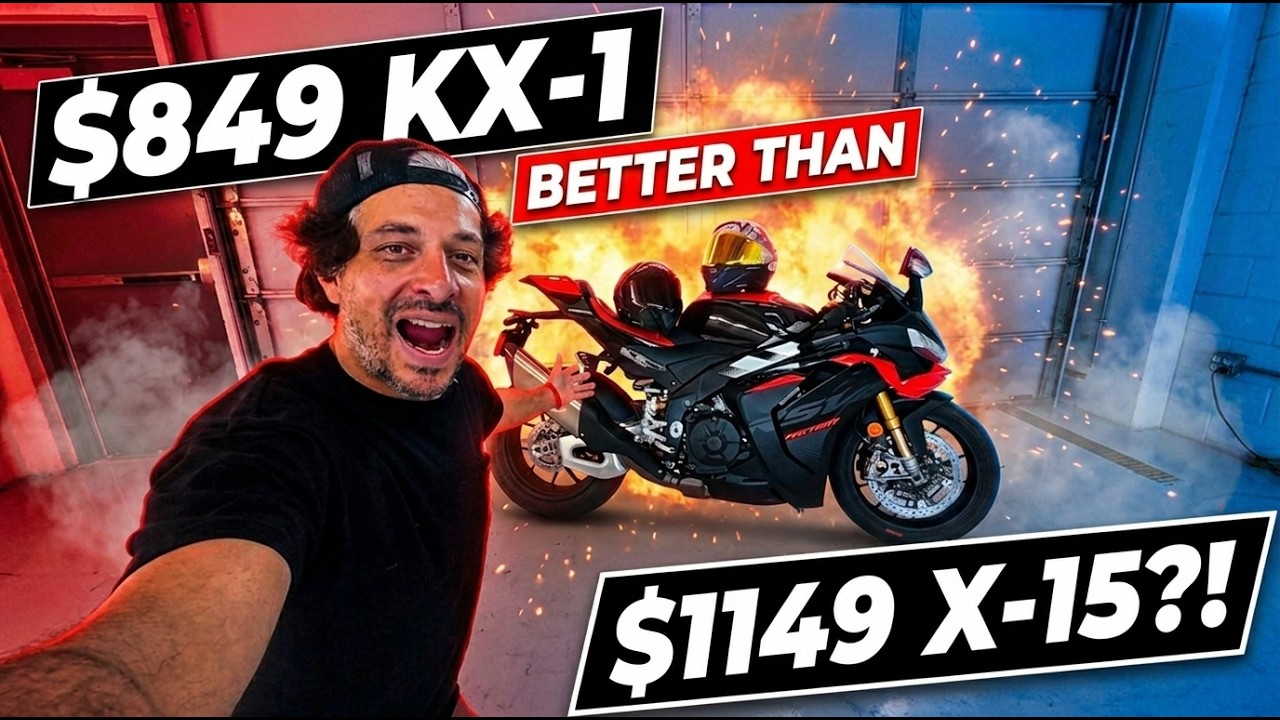
Shoei X-Fifteen vs. KYT KX-1 Race GP Shootout
Best 2026 Track Day Helmets: Shoei vs. KYT at COTA.
-
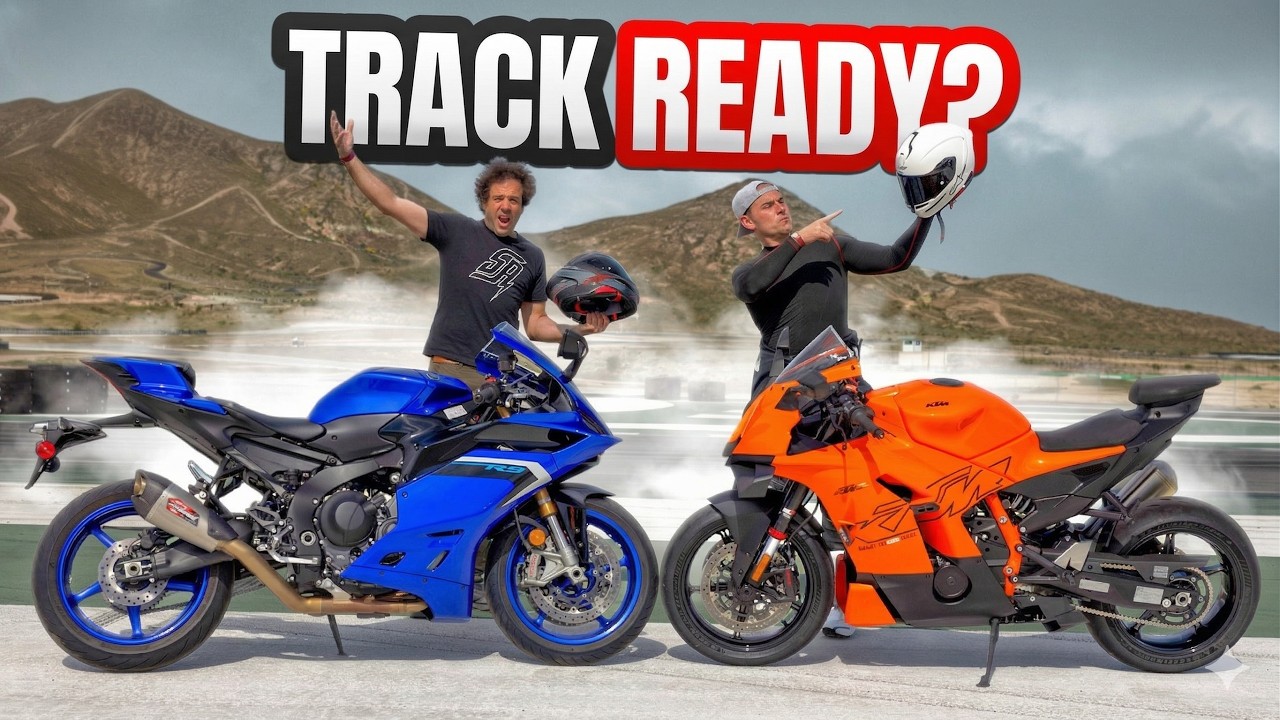
Alpinestars Supertech R7: The New King of Track-Day Performance?
Alpinestars R7: MotoGP tech for the streets.
-
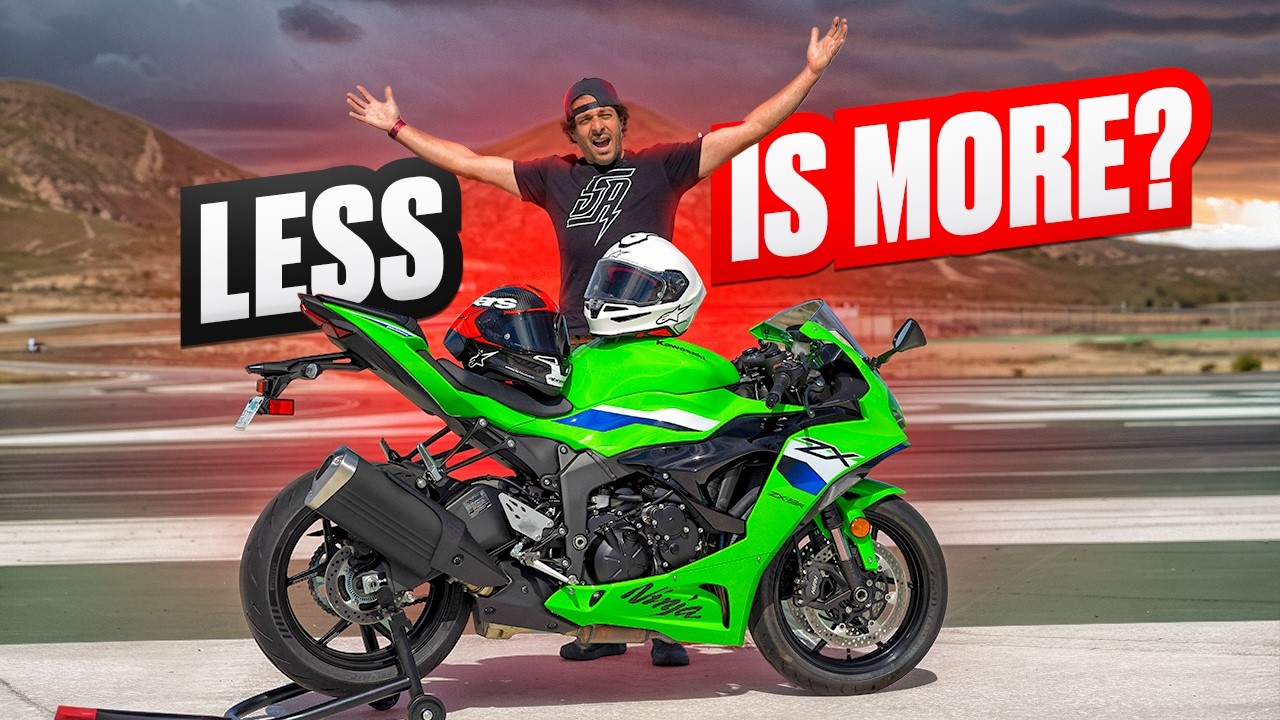
Alpinestars Supertech R7 SpeedAddicts TV Review
Alpinestars Supertech R7: The ultimate track day helmet?
-
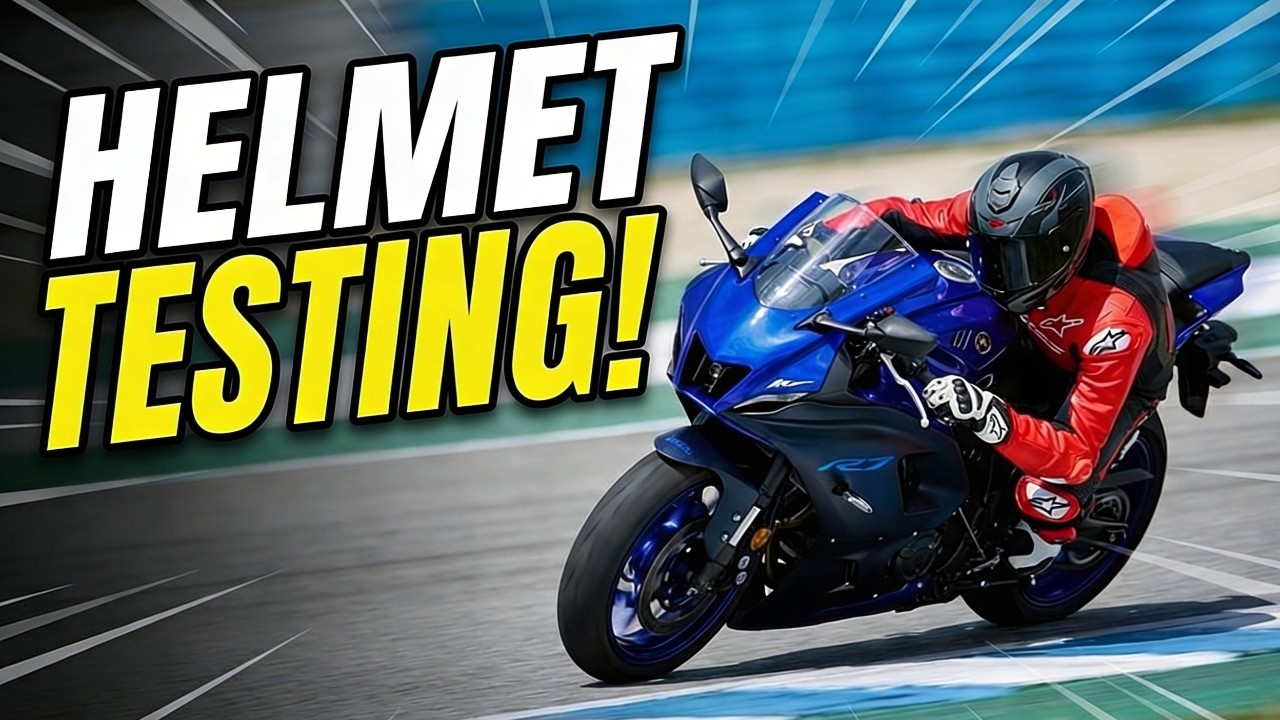
Alpinestars Supertech R7 Track Review
Alpinestars Supertech R7: The best 2026 street helmet tested at Willow Springs.
-

Airoh Connor vs. Spark 2: Which Helmet Wins?
Airoh USA comes out swinging in the U.S. with a competitive pair of street bike helmets.
-
Alpinestars Supertech R7 Review
Alpinestars R7: Pro protection for US street riders.
-
Cardo Packtalk Pro Top 5 Review
Top 5 Cardo PackTalk Pro features for US motorcycle riders.